October 22, 2026
Bodies of Bangladeshis Killed in Russia's War Are Not Coming Home and Families Get No Compensation
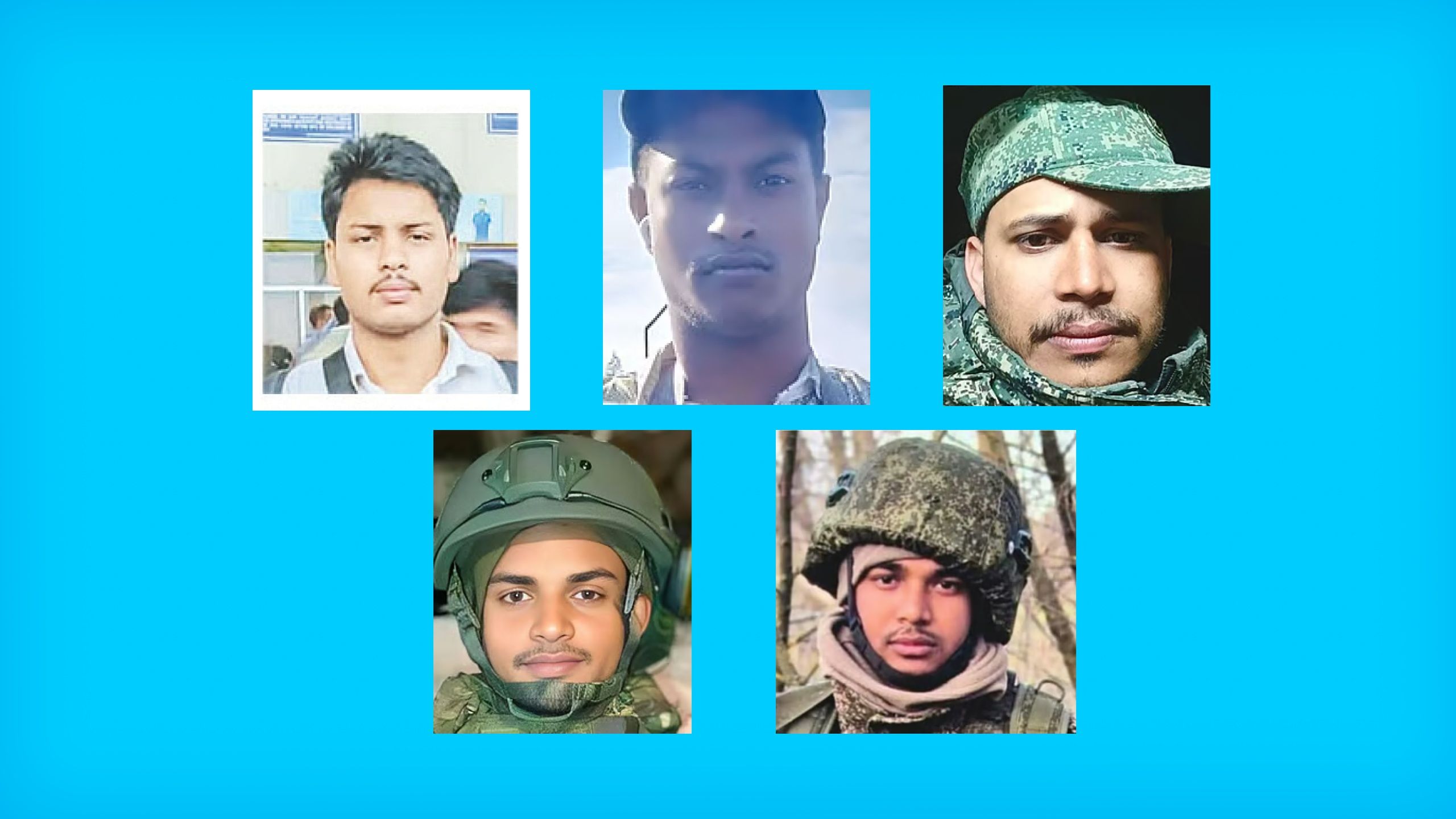
Bangladeshis who die fighting in Russia's war are not being sent home, and because their deaths are not officially confirmed, their families cannot claim compensation, Bangladesh's Prothom Alo newspaper reported on October 21, 2026.
The Men Prothom Alo Names
Prothom Alo says it has received reports of at least 54 deaths of Bangladeshis in the last three years. On paper the men are listed as missing, but the families know they are dead, it reports. Five men were named in this report:
Abdullah Al Mamun, Lalmonirhat - his family believes he died after being sent to the front; the death has not been confirmed.
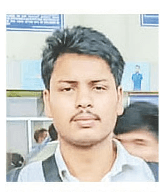
Mohammad Sagar, Comilla - his family reported him dead after four months without contact and a message from a friend in Russia saying he was no more (Prothom Alo, October 19).
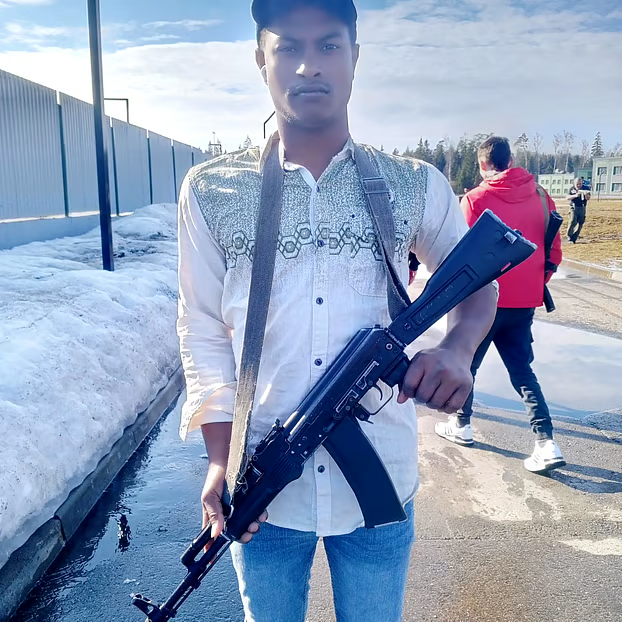
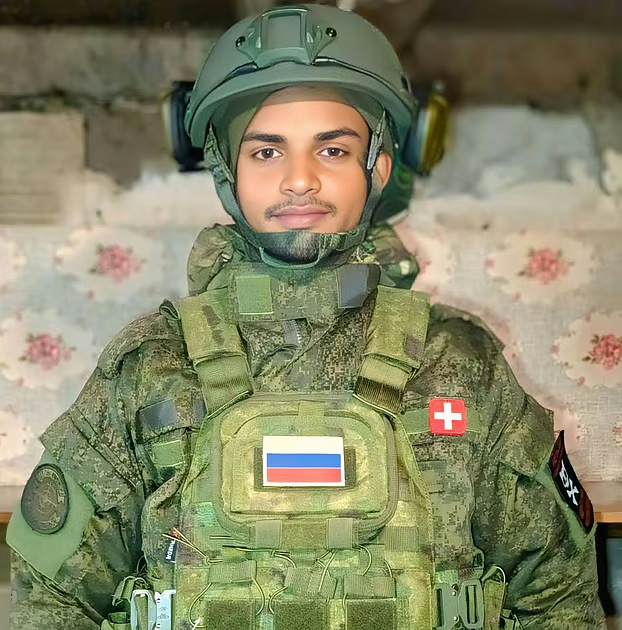
Md. Riyad Rashid, Kishoreganj - killed in a Ukrainian drone attack while fighting for the Russian army, according to the photo caption.
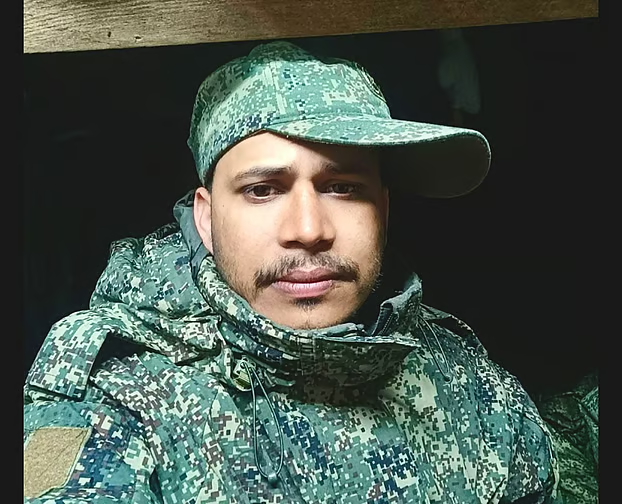
Jahangir Hossain, Kishoreganj - lost his life on the battlefield while travelling to Russia, according to the photo caption.
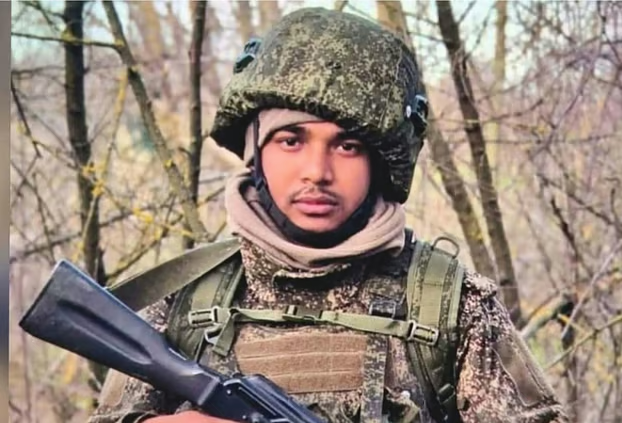
Mohammad Yasin Sheikh - killed fighting for Russia, according to the photo caption; his home district is not given.
"We Will See Each Other on the Field of Judgment"
Abdullah Al Mamun of Lalmonirhat went to Russia hoping for a better job. The day before he was sent to the front after training, he phoned his younger brother, Md. Rony, in Bangladesh. "I am being sent to war, and we may not see each other again," he said. "If we do not see each other in this world, we will see each other on the field of judgment." His father, Abdul Majid, told Prothom Alo the family has had no contact with him since. Later, a man who had travelled to Russia with Mamun told Rony that he had died. The village held a funeral prayer without a body, but since the death was never confirmed, people came to pray rather than hold a funeral. Five months on, the debt-ridden family is struggling, and Mamun's wife is left with a one-year-old son.
Mamun was one of 30 Bangladeshis who flew to Russia from Dhaka in May, the group we have reported on before. After 21 days of training they were split into groups of 16, 8, and 6 and sent to the front, and many died around June 12 and 13, according to two men who got out: Adnan Hossain of Narayanganj and Rajon Hossain of Jhenaidah. Adnan told the paper that Russia does not publish information about the deaths of Bangladeshis and does not return the bodies; those who do not come back from the front are declared missing, "but missing means death."
Russia Is Not Handing Over Bodies
Bangladesh's ambassador to Russia, Md. Nazrul Islam, told Prothom Alo that Russian authorities are not handing over the bodies, so they cannot be sent home. He also said more than 90 percent of the workers went to war voluntarily, that Russia has informed Bangladesh the last 30 did so, and that Russia holds written proof. Bangladesh's Special Response Battalion has said the same 30 were trafficked, sent in with fake construction jobs, and that around 20 of them are dead. Sources in the Foreign Ministry told the paper that Russia has given the embassy information on 40 missing or killed Bangladeshis over the last four to five months, without saying how many are dead and how many are missing, and has said nothing about the last 20.
A Compensation System Nobody Can Use
Bangladesh's Wage Earners' Welfare Board pays to bring home the body of a worker who dies abroad, gives 35,000 taka (about $280) for the burial and a 3 lakh taka (300,000, about $2,400) grant, and the family also gets life insurance. But the board has received no application to bring a body home from Russia, Prothom Alo reported: with no proof of death, no one can apply, so no one is getting compensation. Compensation from Russia is possible if a person dies or is missing for more than six months, but the process is described as very complicated, including confirming inheritance, and the heir must stay in Russia for at least six months. Shariful Hasan of the BRAC Migration Program said families get neither bodies nor compensation and that no one knows how many have died; he suggested a hotline and a list of missing persons.
The Numbers Behind the Trip
Bangladesh's Labour Migration Bureau (BMET) cleared 37 people to travel to Russia in 2023, 1,395 in 2024, 4,725 in 2025, and 3,105 so far in 2026, as of October 15. Fortify Rights and Truth Hounds reported in March 2026 that 34 of more than 100 Bangladeshi youths who fought for Russia had been killed. An embassy labour wing letter dated May 25 said the embassy had not verified the Jabale Noor agency's request to send 70 workers and had learned on May 18, from a worker's family, that 30 people sent by Jabale Noor and RS International were being sent to the war zone. The Ministry of Expatriates' Welfare has cancelled the licences of Jabale Noor, TS Overseas, and RS International.
The Agency That Sent the Most Workers
Prothom Alo's investigation found that clearances to send workers to Russia were taken in the names of 93 recruiting agencies over the last four years. Bonya Bijoy Overseas received the most, sending about 2,500 workers, or 27 percent of the total. The paper says the agency faces allegations of human trafficking, including over sending workers to Algeria and to Russia, and also mentions a human trafficking case against it. Its server has been locked, so it can no longer obtain new clearances. Its managing director did not answer calls or a text message from Prothom Alo. Of the three agencies named by the SRB, TS Overseas took clearances for 266 people, and the other two could not be found in the BMET database.
A Soldier Guarded in a Moscow Hospital
One of the 30, Md. Palash Sheikh, was wounded in the first round of fighting and hospitalised, then lost a hand in the second round. His cousin, Abu Saleh Islam, told Prothom Alo that Palash was lured by a job offer, has been in a Moscow hospital for 22 days, and has received no help despite appeals to the embassy and the ministry. He cannot leave the hospital because the army is guarding him, the cousin said. The family spent 1 million taka (about $8,100) to send him and has received no money back.
Why Some Still Go
Prothom Alo says the journeys to Russia continue even though some men flee the front, some die, and some send messages asking to come home. The paper writes that if a person goes to war and stays for six months, he can get Russian citizenship and a monthly salary of 3 to 4 lakh taka (about $2,400 to $3,200), which is why many go to war on their own.
What the Government Says
Expatriates' Welfare Minister Ariful Haque Chowdhury told Prothom Alo that the government is discouraging such travel, clearing no one without verifying the job, and that families have been told it is difficult to find the bodies of those who died. The Foreign Ministry is continuing diplomatic efforts.
A Safe Way Out
Bangladeshis and other foreign nationals lured into Russia's armed forces have an option to safely escape the battlefield with Ukraine's "I Want to Live" project. See our FAQ for recommendations for victims of Russian military recruitment and their families.