June 17, 2026
"This Propaganda Works": Two Brazilian TikTokers Got Rich Recruiting Compatriots Into Russia's Army - Then Stole Their Pay and Vanished
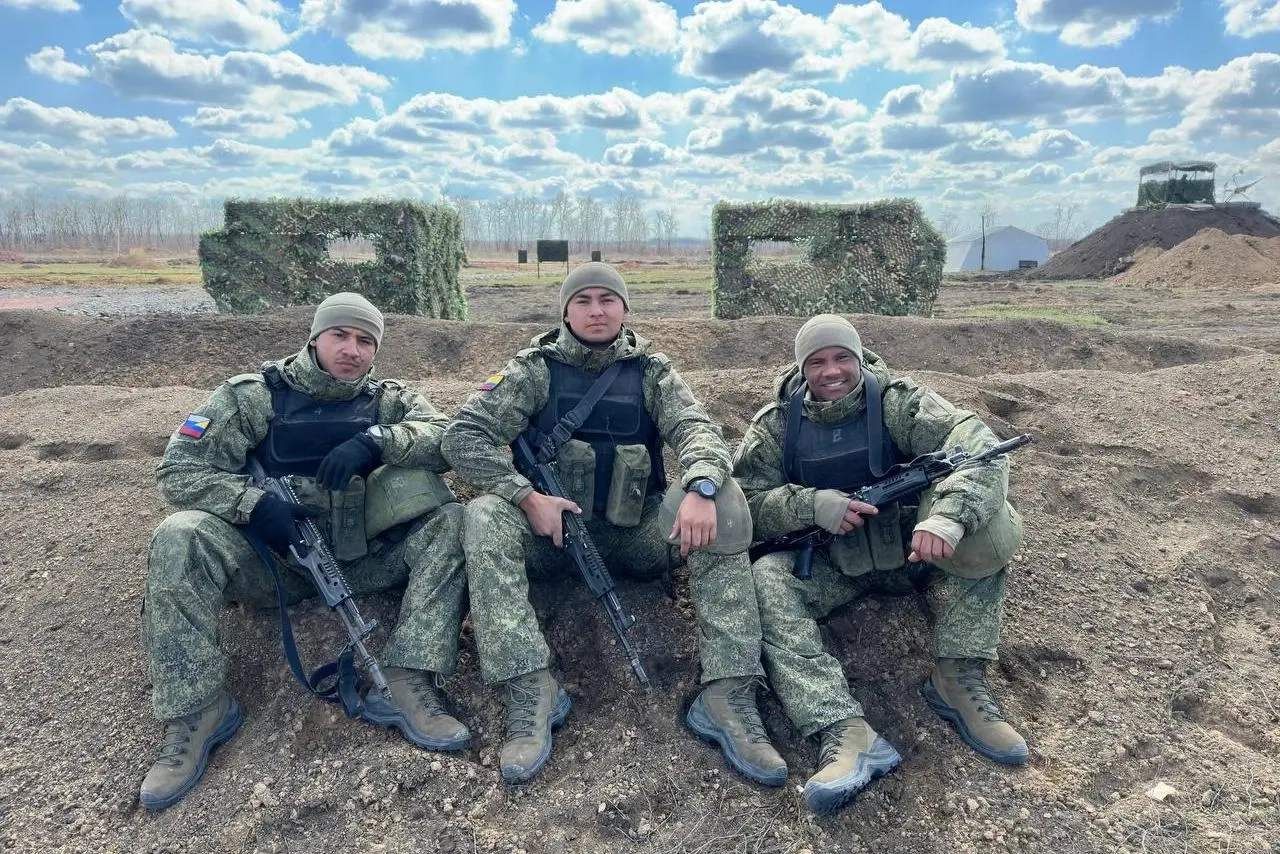
The Insider has published a major investigation by journalist Iva Tsoy exposing a Brazilian recruitment fraud network targeting Brazilians interested in fighting for Russia - in which two social media influencers recruited over ten compatriots into the Russian Armed Forces, forged powers of attorney to access their bank accounts, stole their military pay, and vanished after a criminal case was opened. Some of those recruited were killed at the front. Their accomplice remains free and is now attempting to defraud the relatives of the missing.
The scheme
Brazilian nationals Arthur Michel Kreff Avalone and Antonio Vicente de Aguiar Neto built a Telegram channel in January 2025 recruiting volunteers from Portuguese-speaking countries — primarily Brazil and Angola — into the Russian army, claiming to act "on a non-profit basis" and "in cooperation directly with the Russian government."
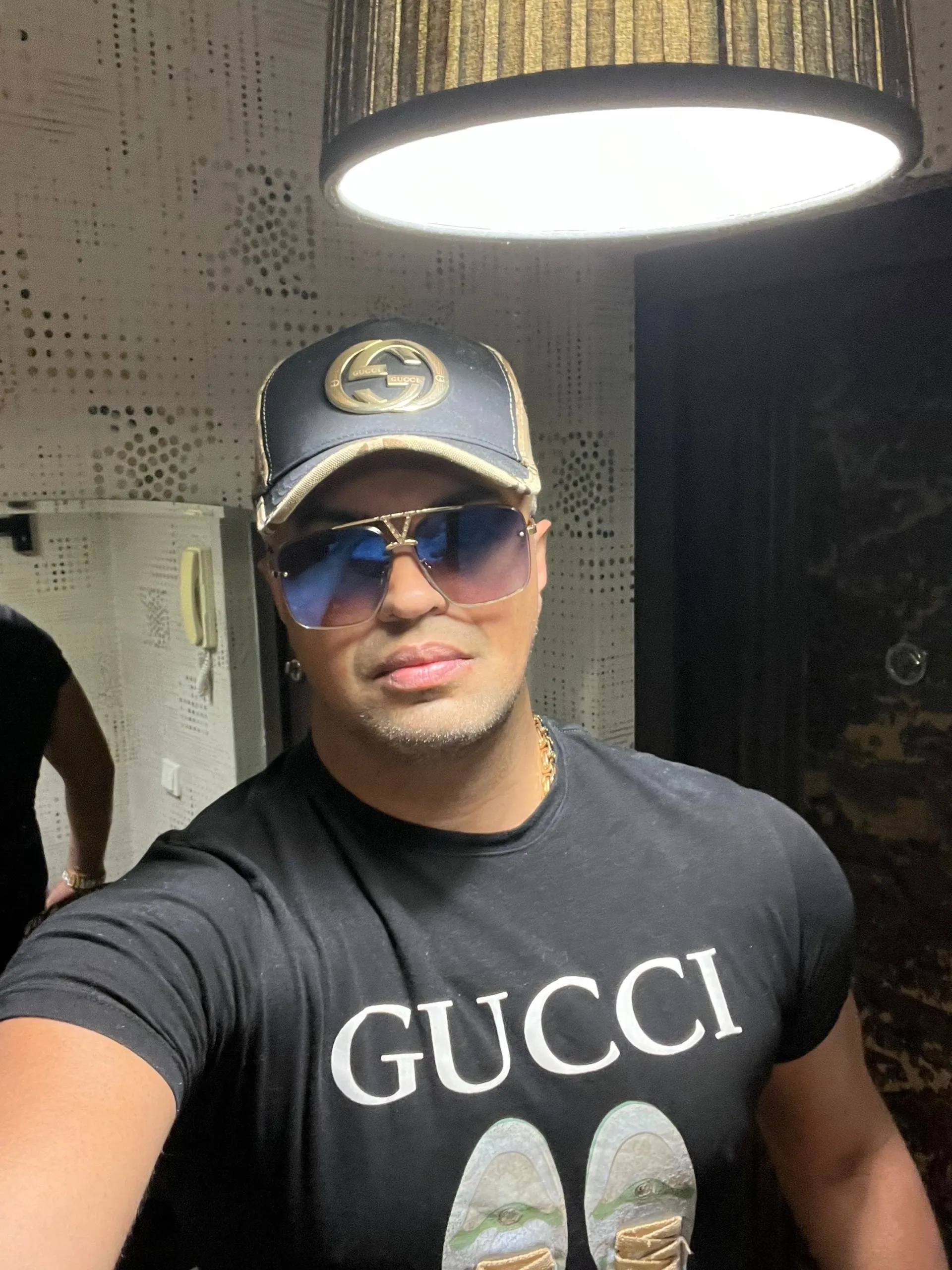
Upon recruits' arrival in Russia, Avalone and Neto took them to a bank where each was issued two cards. A third card, linked to the same account, remained with the fraudsters. Then recruits were taken to a notary - presented as a "military psychologist" - where their phones were confiscated and they were pressured to sign documents in Russian. Those documents were powers of attorney granting Avalone and Neto full access to their accounts. The recruits did not understand what they were signing - some only discovered it was a notary's office when a fellow soldier's Russian girlfriend confirmed it afterward.
After signing, Avalone and Neto told recruits they each owed one million rubles ($13,800) "to be sent to a good location at the front." Most paid. Hours later they were transported to a training center.
Anderson Ferreira, 25 - São Paulo, killed
In February 2025, Anderson de Oliveira Ferreira told his mother, Helade de Oliveira Medeiros, he was going to work in private security in Russia. By summer she had learned he was fighting in Ukraine for Russia. A fellow soldier confirmed Anderson had not returned from a combat mission. He left behind a five-year-old daughter.
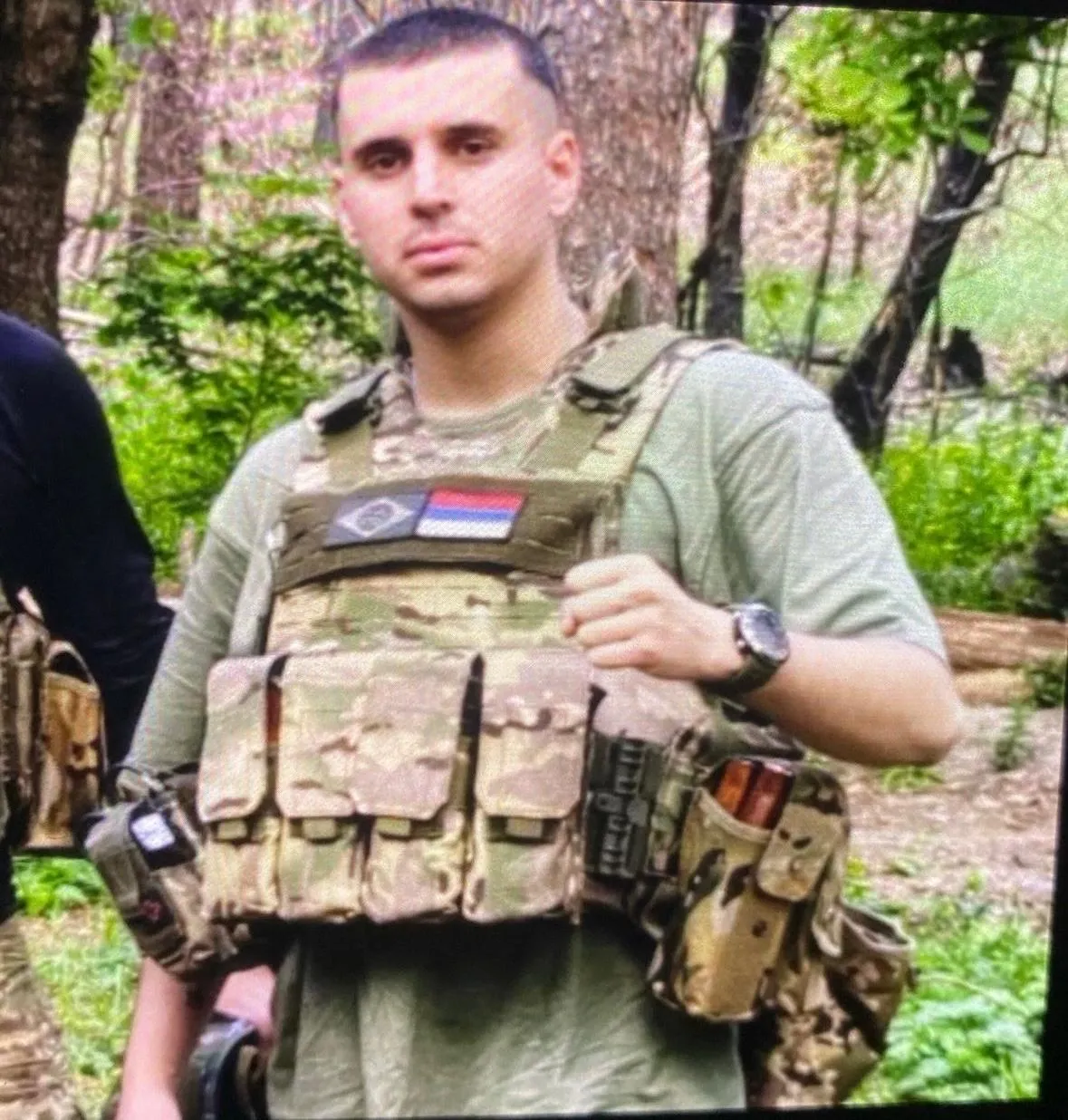
His mother provided The Insider with his military ID, dog tag, passport, contract with the Russian army, and documents confirming he had signed a power of attorney in favor of Avalone. Banking screenshots show Avalone withdrew approximately 2 million rubles ($27,600) from Anderson's account.
Alfredo - robbed of $34,500
A second victim, identified as Alfredo, said the fraudsters stole $34,500 from him. Banking screenshots show withdrawals in both Avalone's and Neto's names. Money was stolen from six more of his fellow soldiers. Two, including Anderson Ferreira, were killed in combat.
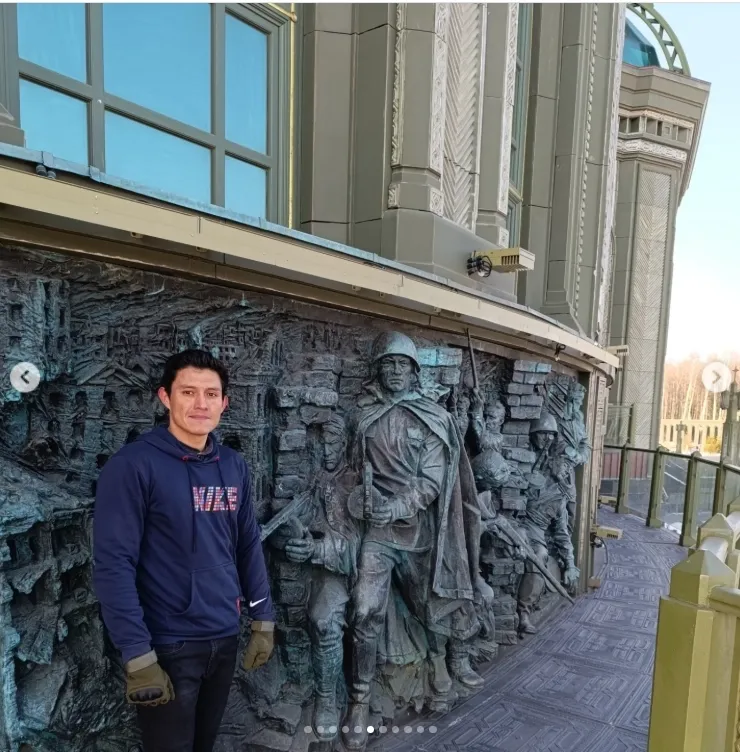
Alfredo could not block the card that remained with the fraudsters or cancel the power of attorney. "We don't know if they are continuing to drain our accounts; the army could do nothing to help us," he said. He later filed a complaint with the military prosecutor's office and succeeded in having a criminal case opened.
Fabio Santos, 44 - historian, missing
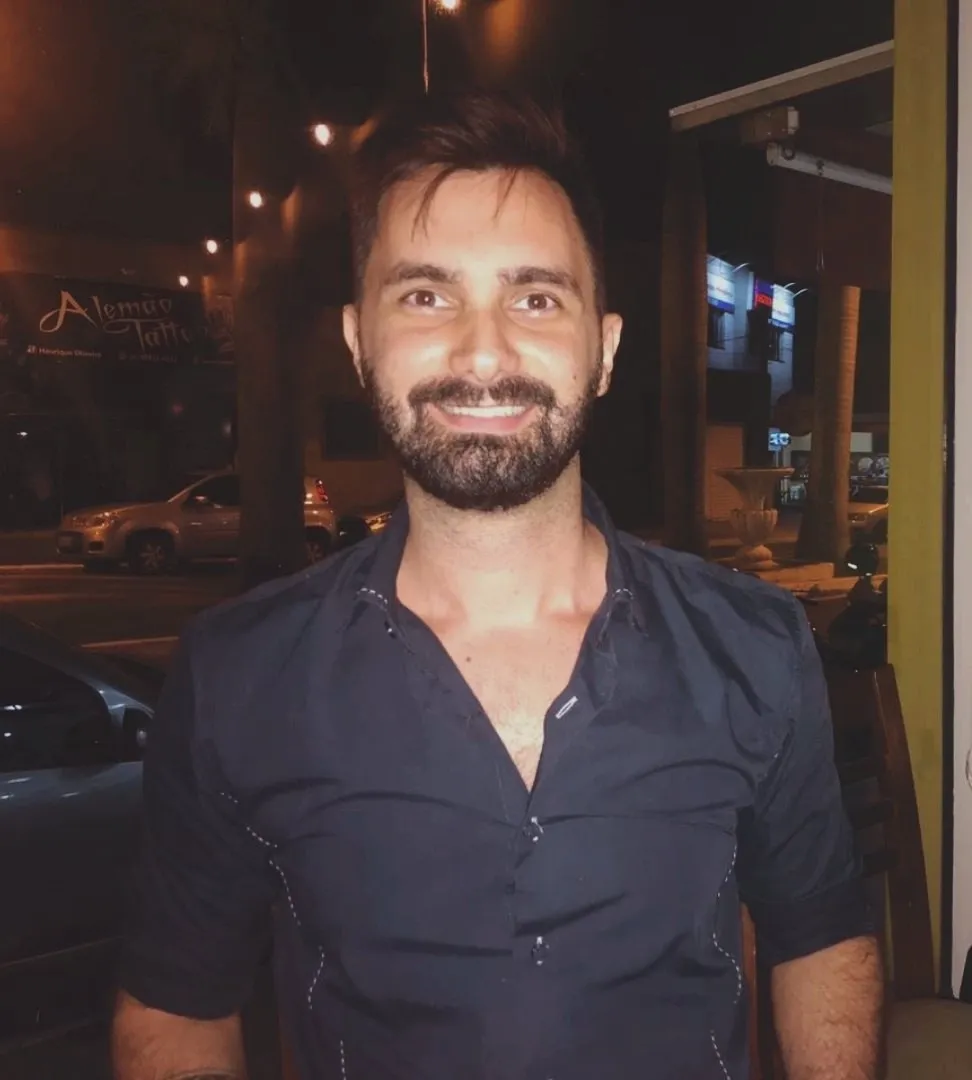
A third victim was historian Fabio Santos, 44, who according to his sister "always had a great interest in issues of war and geopolitics." In May 2025 he posted photos on Instagram with Neto. "While cowards flee, the noble seek glory! Mother Russia," Santos wrote. Neto commented: "We're together, brother!" Santos last contacted his family on July 11, 2025. His phone has since been in someone else's possession. The recruiters have not responded.
The pitch
Avalone told recruits in voice messages: "All you need to do is come to Russia, sign the contract, and the money will come — 100,000 reais [$19,700]. Training starts right away. It's quite possible that while we're in training, a peace agreement will already have been signed. So let's take advantage of the situation, guys."
Neto assured everyone: "Russia is, in my opinion, the most protected country. One of the best places in the world to live. Russia has a significant advantage in the number of soldiers and artillery. We will be well protected."
Avalone apparently never went to war, continuing to post from Moscow parties. Neto began posting videos in military uniform from February 2025 - but continued working as a cosmetologist in Moscow, with reviews on the Profi.ru portal. The Insider's sources note his uniform resembles an airsoft outfit.
Rodolfo "MacGyver" Cordeiro - the Brazilian from Donbas
The third member of the operation was Rodolfo Cunha Cordeiro, a Brazilian mercenary who has fought in Donbas since 2014 and holds combat awards from the self-proclaimed "Donetsk People's Republic." He promoted the scheme on TikTok livestreams, assuring followers that "everything was fine" based on his own combat experience. According to The Insider's sources, he was in on the fraud from the beginning.
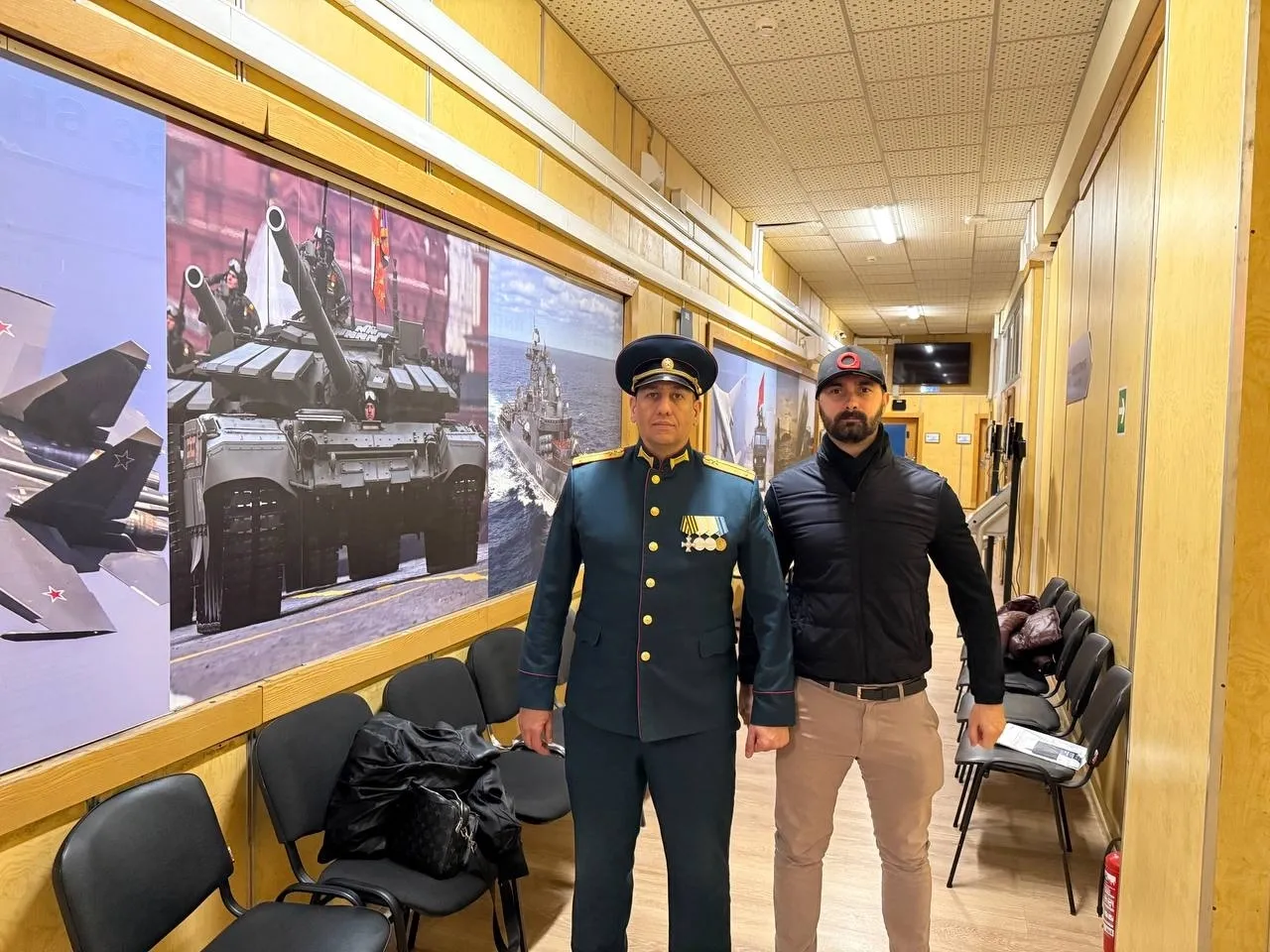
After Avalone and Neto disappeared, MacGyver approached the mothers of missing recruits and attempted to convince them to sign powers of attorney in his favor — ostensibly to find information about their children and collect insurance payments. "Only if you talk to Rodolfo and sign a power of attorney for him will he find out where your son is," one woman told others in a voice message.
How the recruiters vanished
By October 2025 both Avalone and Neto had gone dark — social media accounts silent, Telegram showing "last seen a long time ago," no new doctor reviews on Profi.ru. Sources told The Insider they may have left Russia for Brazil, making accountability very difficult. In September 2025, Avalone had registered a sole proprietorship in São Paulo — with "travel agency" listed as its activity.
After the recruiters disappeared, recruitment continued
A source in Brazil told The Insider of another mother whose son traveled to Russia and lost contact. He had been recruited through a São Paulo-registered agency charging a 50% commission from the recruit's signing bonus, in exchange for a promise that recruits would not be sent to the front.
The ideological dimension
Natalia Sekretareva, head of the legal department at the Memorial Human Rights Center, now based in Brazil, provided the broader context: "Beyond the historical love for the Soviet Union, Russian propaganda is at work here. No one has banned Russia Today, and they produce quality content for South America — not the tabloid propaganda of Russian domestic television. You can watch an RT documentary on YouTube and not even realize it was produced by RT. And this propaganda works, to a great extent, even on intelligent, thoughtful people."
StopRussianRecruiters.org reminds: if you or your relative joined military service in Russia there is a safe way out provided by the Ukrainian government. Read more here. Ukrainian project "I Want to Find" also provides information to families of the missing or captured personnel of the Russian Armed Forces - visit this page for more details.
Source: The Insider