July 22, 2026
Signed a Contract With the Devil: Six Colombians Captured in Ukraine Tell How Russia Deceived, Robbed, and Abandoned Them
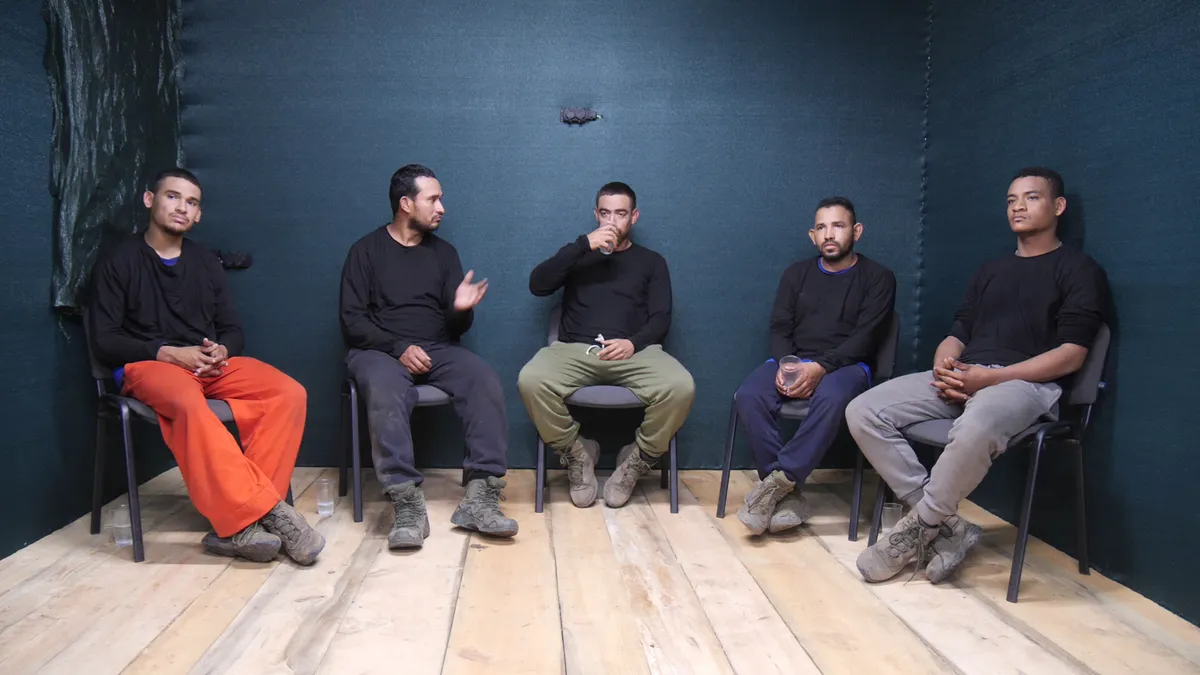
In June 2026, five Colombian men walked out of a tree line in the Kupyansk area of Kharkiv region, holding sheets of paper torn from a notebook with a single word written on them: COLOMBIA. A Ukrainian drone had been watching them for some time. They had already dropped their weapons and removed the magazines.
They were not defecting. They were surrendering - deliberately, together, because one of them had received a voice message from his father, relaying news from a brother who was already in Ukrainian captivity: "I'm alive. Capture is the best thing that happened to me."
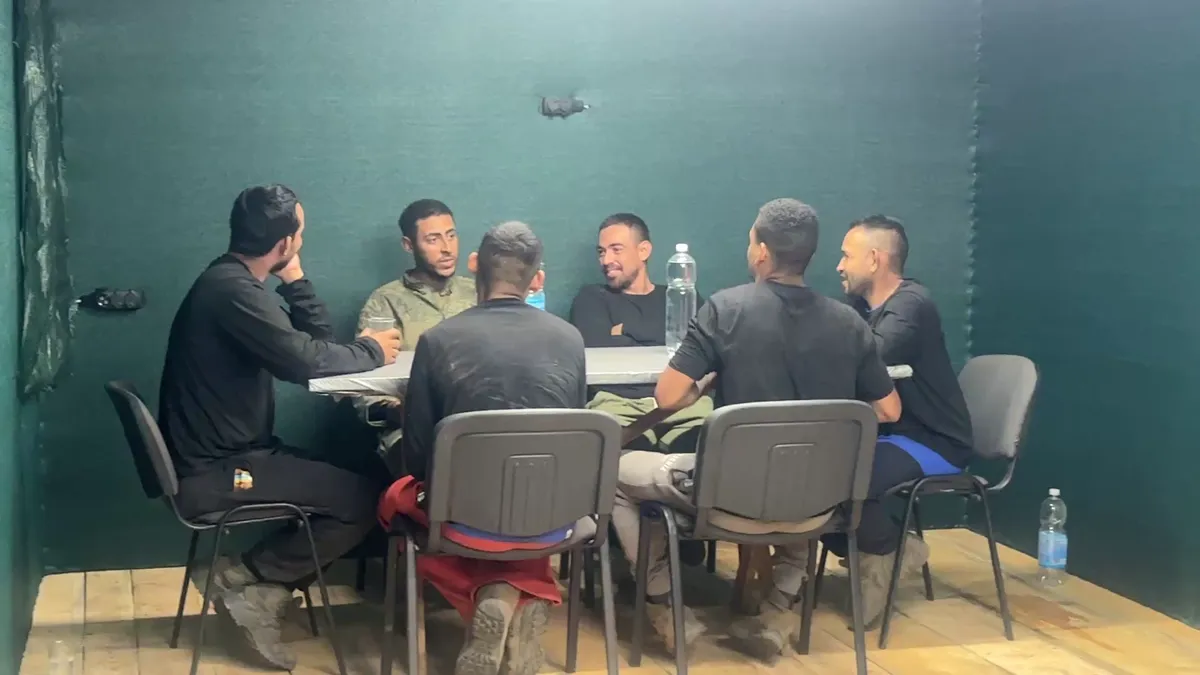
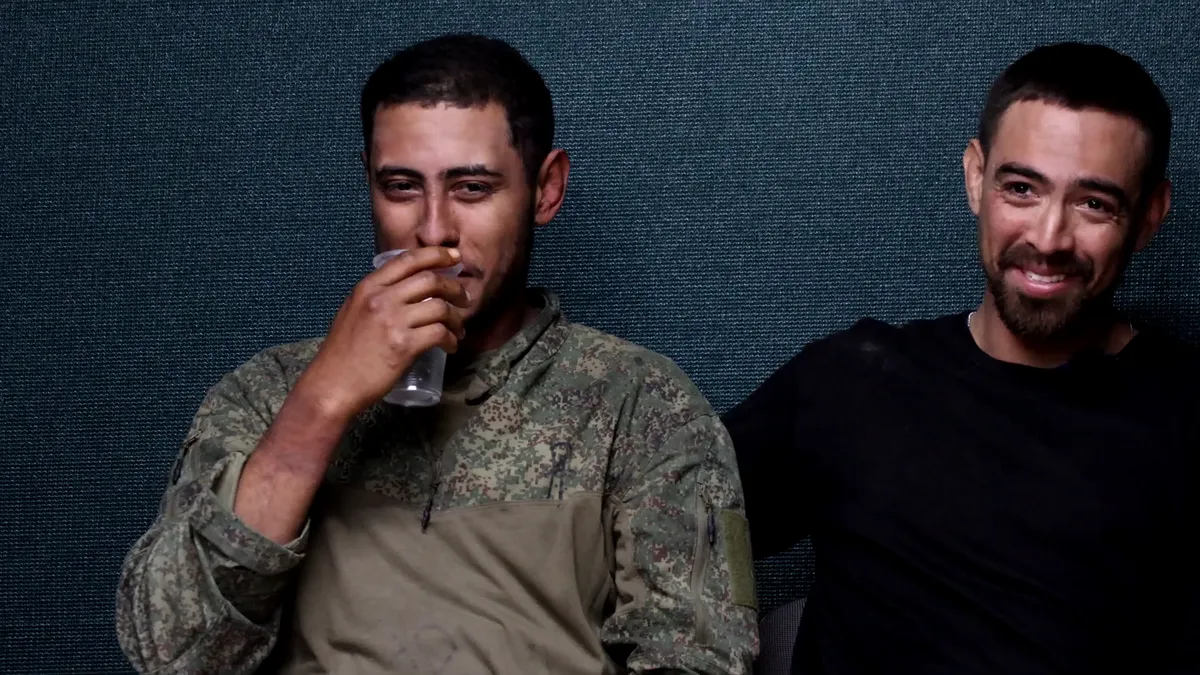
These five, together with that brother - already captured and recovering from leg wounds - make up a group of six Colombian nationals who spoke on camera to Ukrainian outlet 24 Kanal, naming themselves, showing their faces, and consenting to publication. They gave several reasons for agreeing to speak on camera - but each of them returned, multiple times, to the same central point: Russia had treacherously deceived them.
The Six Men
Leonel, 32, and his younger brother Diego, 24, are from a farming family in Colombia. They came to Russia together after Leonel was approached through a mutual contact, a professional Colombian soldier named Palacio who had previously fought in Africa for Russian quasi-private military structures - first Wagner, later rebranded as the "African Corps." When Palacio returned to Colombia, a recruiter contacted him. He passed the offer to Leonel.
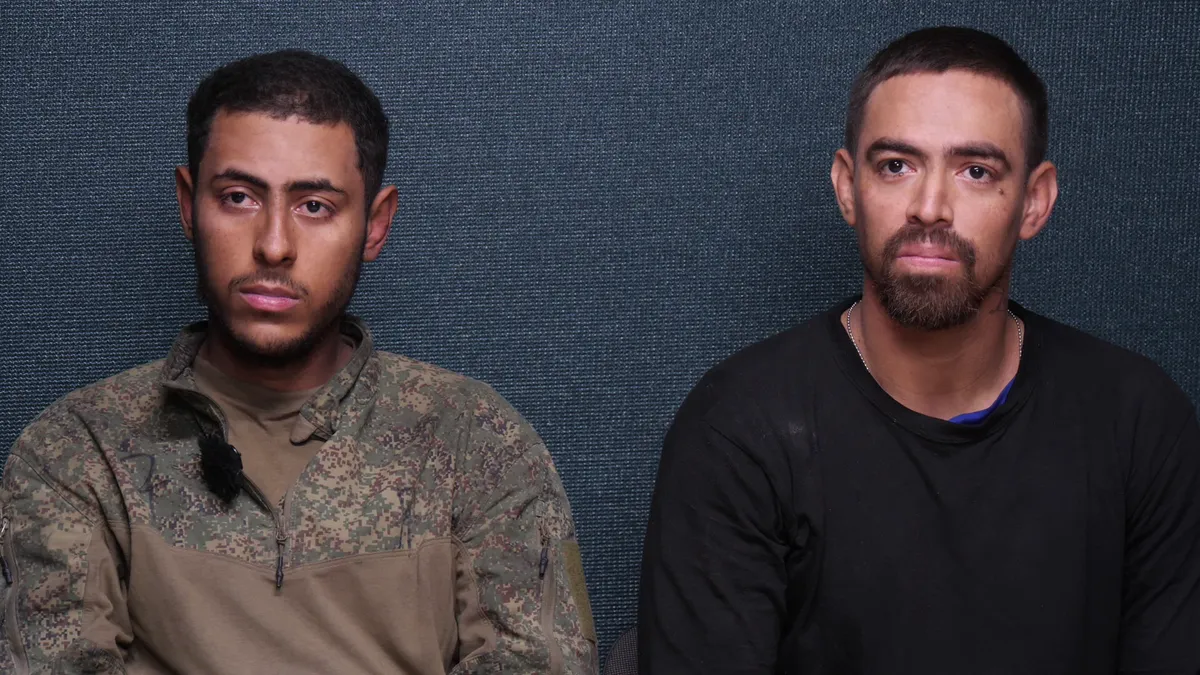
Kevin Andres Caicedo Palomino is a former Colombian military man who had been working construction. He found the offer on Facebook - a paid advertisement that appeared while he was scrolling on his phone, promising security guard work with strong pay.
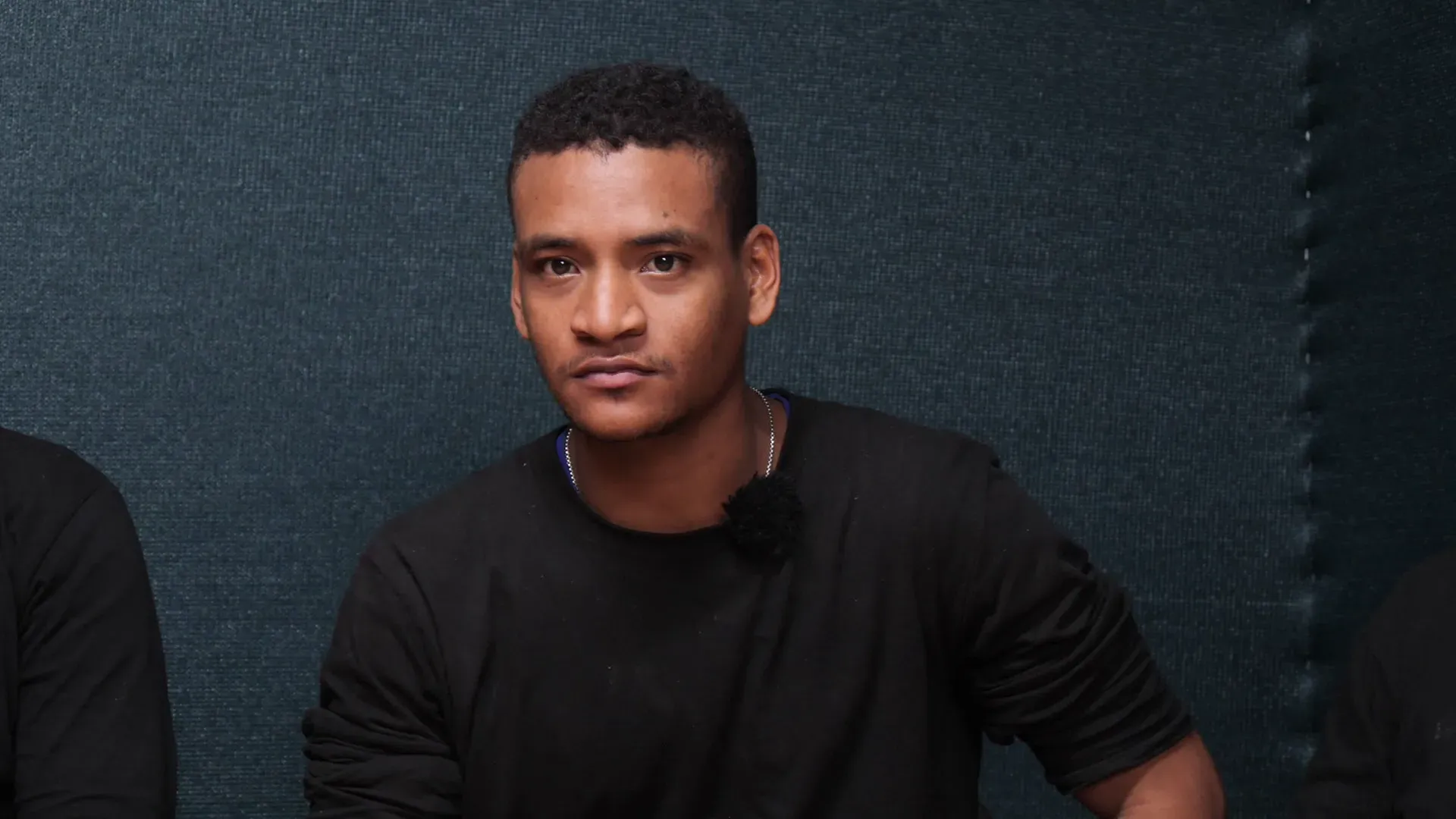
Carlos Alberto Triana Gonzalez, 25, is a mechanic from Santa Marta in northern Colombia. He too found it on Facebook. A recruitment page appeared in his feed. He wrote to them. They wrote back asking if he was interested. He asked what the job was. They said: "You'll come to the Russian armed forces as a special security service and bunker builder, and other tasks they tell you to do." He was on his way to Russia within five days.
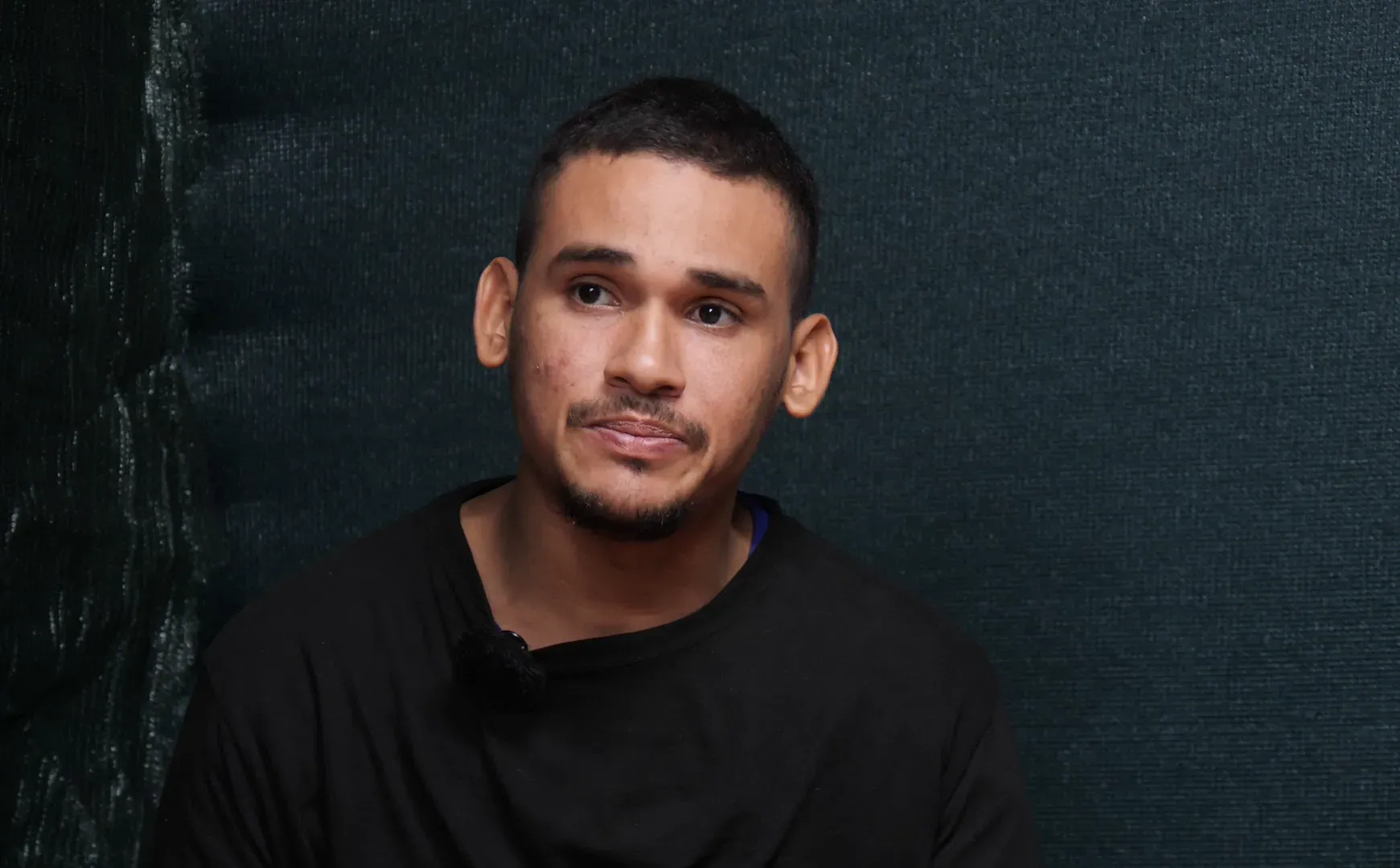
Gustavo Andres Roa Leal and Alexander Oviedo Pena were part of the same group that surrendered with Leonel. Their stories follow the same pattern.
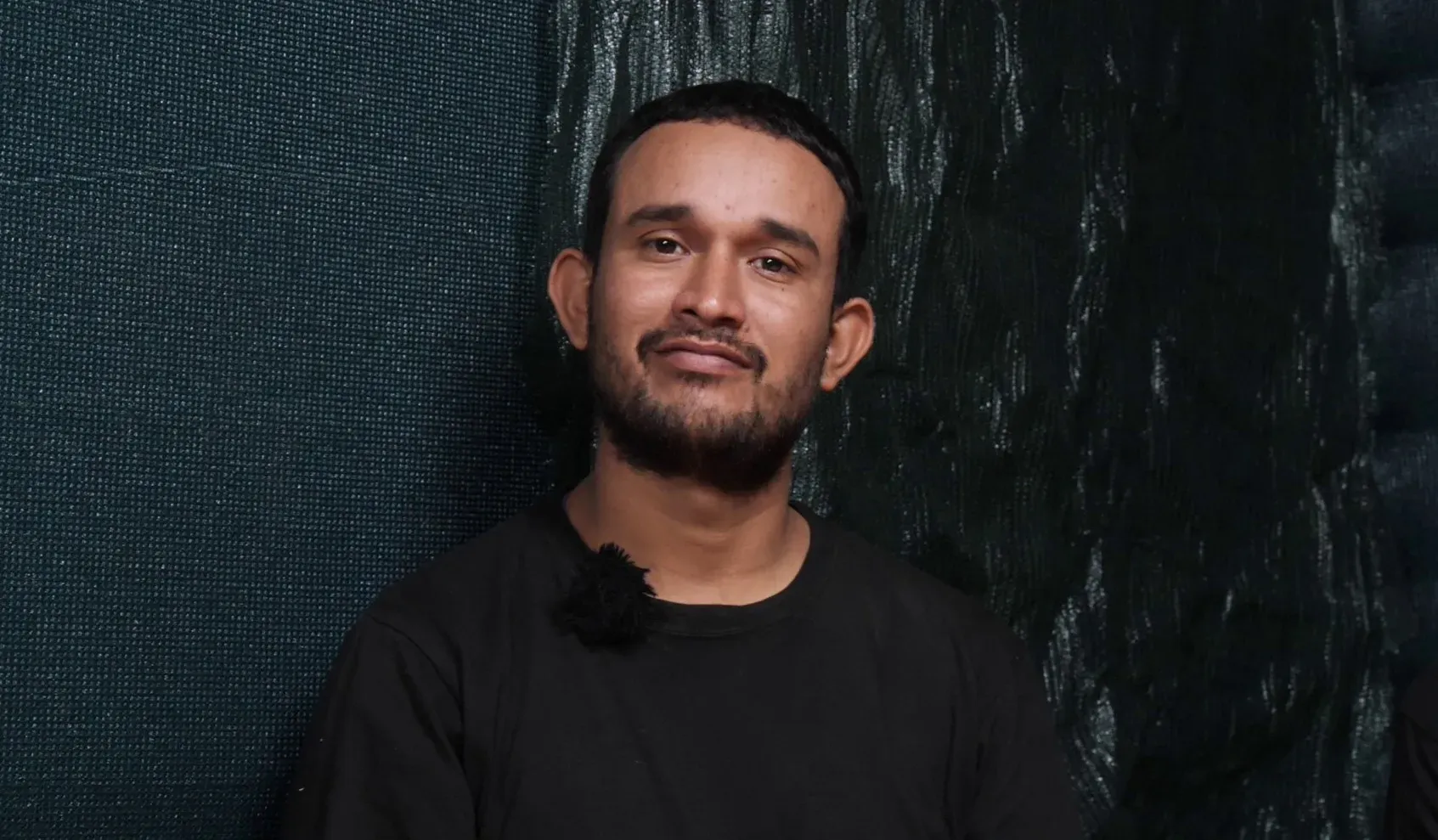
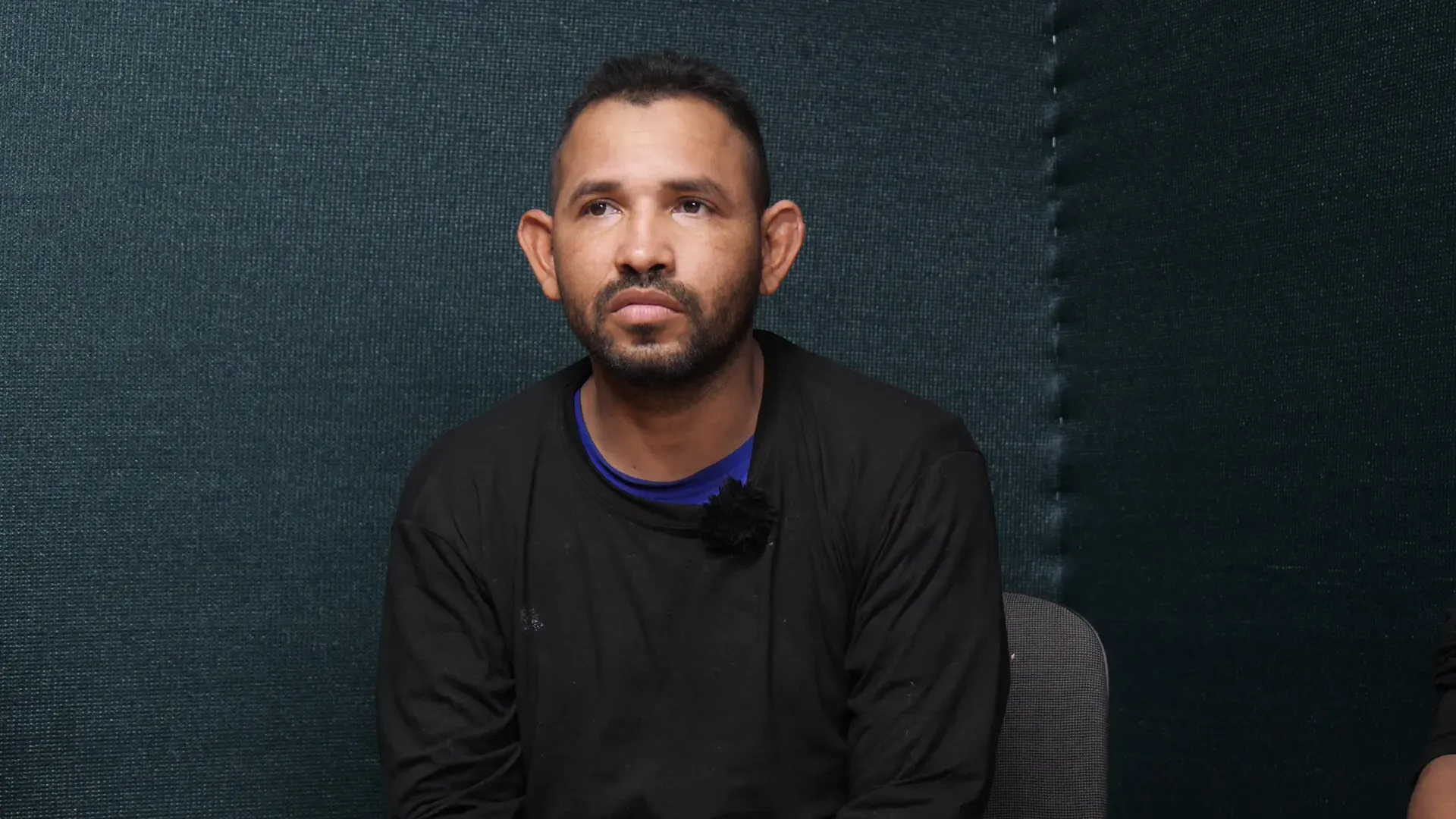
All six consented through an interpreter to named, on-camera interviews. Each of them returned to the same point multiple times: they had been treacherously deceived. That is why 24 Kanal chose to show their faces and use their real names.
The Promise
The number that opened the door for Leonel was 3 million rubles (~$33,000 USD) - a signing bonus simply for putting a name on a contract. On top of that, 200,000 rubles (~$2,200 USD) per month for what recruiters described as military construction work: fortifying positions, not fighting in them.
In Colombia, where average monthly wages range from around 2.5 to 4 million Colombian pesos (~$570-$910 USD) depending on region and profession, the signing bonus alone amounted to roughly 82 minimum monthly salaries - six years of wages in a single payment. Enough for a car or a small apartment.
Diego says the scale of the offer is what made it attractive:
"They offer such an amount of money that you start to believe you'll live better. But for this you practically have to give your life. We became cannon fodder. This is all a very big mistake - because of dreams, because of wanting to escape your situation, to move forward."
Kevin and Carlos encountered the same pitch through Facebook. The ads were direct: high salaries, security work, good conditions. Other posts were more indirect - framed as job placement programmes or overseas work schemes. Both are prohibited under Meta's advertising policies, and both were running openly.
The Journey
Colombia to Russia required a transit. Most of the six travelled via Colombia - Qatar - Russia. Some went through Brazil first. To enter Russia without raising flags at the border, recruiters provided cover stories and instructions.
Leonel and Diego entered as tourists. Carlos and Alexander entered as sports fans - supporters heading to Russia for some event, though neither man could say which sport or which team they were supposedly following. The detail had not been provided. They were simply told: do not say you are going for military service, or you will be turned back at the border.
Carlos arrived in Moscow on May 16, 2026, among a group of 15 foreign nationals. That same day, they were taken to a fire station and slept on mattresses on the floor. Recruiters fed them and opened bank accounts in their names. On May 18, Carlos signed a contract of service with the Russian armed forces - a document written entirely in Russian, which he could not read.
Leonel and Diego arrived on May 6, 2026. In Moscow, they were met by a man driving a van - a blond man whose name they were not given. He took them to the same fire station, the same mattresses, the same process.
Within weeks of arriving, all six were at the front.
Robbed Twice
The bank accounts opened on arrival each came with two cards and two PINs. On the day the cards were issued, a recruiter - Leonel refers to him by the nickname "Malyi," and believes he may himself be Colombian - collected one card and one PIN from each man. He told them the deduction was to reimburse the cost of their flights from Colombia to Moscow: 300,000 rubles (~$3,300 USD) per person.
Leonel describes what happened to his signing bonus:
"I received one million rubles [~$11,000 USD]. From that million, the recruiter took 300,000 for the tickets. I had 700,000 rubles left, which I wanted to send to my family. I lost another 5% because they said I had to convert rubles to dollars and then dollars to Colombian pesos. My family received 26 million Colombian pesos [~$6,000 USD]. That's small money compared to the millions of rubles - because I lost half. Recruiters rob twice," he says. "That's their job. They earn salaries, and they also rob us."
Alexander Oviedo Pena did not even know his own PIN code. He was given a card but the recruiter retained the PIN. He spent around 3,000 rubles (~$33 USD) of his signing bonus on essential supplies, guided by someone accompanying him. The rest, he has no information about.
Diego's partner on his first combat mission was a fellow Colombian named Ever Daniel Marenko Mercado, from Barranquilla. Marenko Mercado was killed by a drone strike the day before Diego was captured. His family, Diego says, does not know he is dead. His second bank card almost certainly remains with the recruiter.
Alexander names another Colombian killed in the same area: Ameskita Ernando Djonanta Arturo, killed by a bomb. He also mentions a wounded Colombian - Yemison Urtado - whose fate he does not know, and whom he asked journalists to try to locate.
What the Contract Actually Meant
Each of the six says he knew he was signing a military contract. Each of them also says every recruiter explicitly told him the contract did not involve combat. Leonel realised the truth during training:
"When we arrived at the first base and had to begin training on the polygon - we understood that if they train us to run in body armour, it's not for building bases. Many Colombians understood they had been deceived. They wanted to go back and return the money. But they understood: they had signed a contract with the devil."
The cover story given to Carlos was specific - security and bunker construction. The contract he signed was in Russian.
"Protect" was the word described to him. Diegotells a similar version: "In Colombia they say you'll be on military service, but they don't say you'll be somewhere where you have to kill. In the contract they showed us, it clearly said 'protect.' In reality, it was the opposite."
Gustavo Andres Roa Leal saw the pattern extend far beyond Colombians at the training bases. "What Russia does is bring foreigners from Africa, France, Argentina, Colombia, Bolivia - to use them as cannon fodder. They send the Colombians, Africans, Argentinians, Guatemalans, French to the zero line. They send the foreigners where they get killed."
At the Front
Diego's first mission was his last on the Russian side. He and one other Colombian were taken by a Russian soldier to a point, then told to continue alone - given a map coordinate, a drone feed showing a Ukrainian position, and 15 minutes to reach it. Orders came through a radio interpreter who provided minimal information. The threat was explicit: complete the mission, or face prison. Fail to advance, and Ukrainian drones would kill them anyway.
Diego was shot in the thigh and shin. He applied tourniquets himself and injected adrenaline. He lay there through the night. The next day, he understood he had to make a choice.
Leonel was sent to reinforce his brother's position days later - only after learning, much later, that he had been sent to replace Colombians already killed in the same spot. "I saw dead Colombians and dead Ukrainians. It was a real meat grinder. We were told many Russians were ahead and we had to occupy an empty house. When we arrived at the starting point of the mission, we understood it was all a lie. One Colombian was waiting for us there. He said there was no one, and we had to capture the village."
Alexander spent seven days hiding in a hole with no food, no water, no communication. He and others eventually found a packet of worm-infested food, collected rainwater, and in his words, were forced to drink their own urine. When they radioed Russian commanders to ask to withdraw, the answer was the same: move forward, or be killed.
The Phone Call and the Surrender
While Diego was recovering in Ukrainian captivity, he was given access to his phone. He recorded a voice message for his father - telling him he was alive, that he was being treated well, and that surrender was the best thing that could happen to Leonel. He was afraid to contact his brother directly in case it put Leonel in danger.
The message reached Leonel the day before his first combat mission. Rather than go to the front, Leonel began looking for others willing to surrender. One by one, he told each man his brother's story. The group grew to five. They tore pages from Leonel's notebook, wrote COLOMBIA on each sheet, and walked out with their hands up and the papers above their heads.
"It was very good that there were only Colombians - no Russians," Gustavo says. "Because Russians would not have let us surrender."
Their return flight tickets - purchased in their names, paid for out of their contract money - had been booked for June 14, 2026. That was the day Diego was captured. He did not use his ticket. He got out anyway.
How Ukraine Treats Those Who Surrender
The Ukrainian soldier who captured Diego introduced himself by name: Ivan. He took Diego to a trench, bandaged his wounds, gave him food, water, and a cigarette. Within hours Diego was moved back from the line and into medical care. He recovered fully - bones intact, only muscle damage.
The first time Diego and Leonel saw each other after being separated by Russian commanders - and then captured on different days - was in front of the 24 Kanal journalists. The two brothers did not hide their joy.
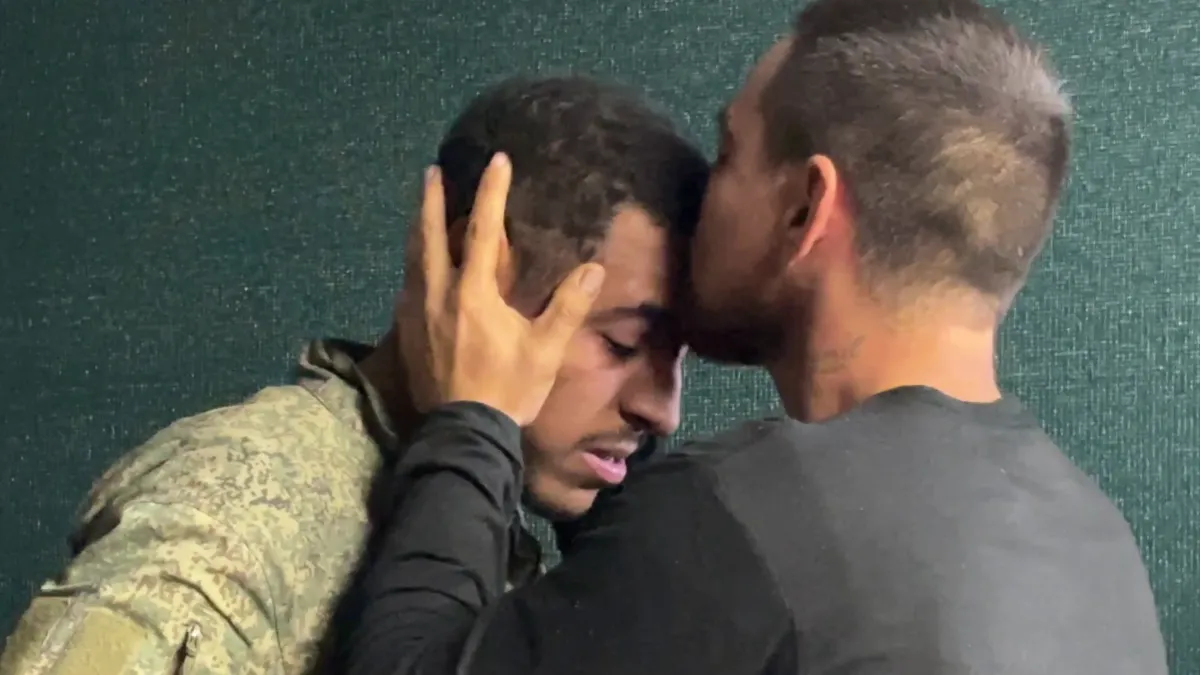
"I am very grateful for that," Diego said. "I'm now recovering, thanks to the help I received."
The other five were processed on surrender without incident. All six were permitted to contact their families. All six agreed, without coercion, to speak on camera. All six named themselves and said they consented to publication.
See also: Ukraine Medals Soldiers Who Brought a Belarusian Fighting for Russia Out Alive
"We are victims of this deception. We are also guilty, because we wanted the money," Leonel said at the end of his interview.
For those still inside the Russian machine - including foreign nationals - Ukraine's "I Want to Live" programme provides a reliable channel to prepare surrender upfront. Read more details here.
Source: 24 Kanal