July 28, 2026
An Equatorial Guinean Describes Russia's Trap: Recruited by a Cameroonian, Sent to Donetsk, Back in Malabo
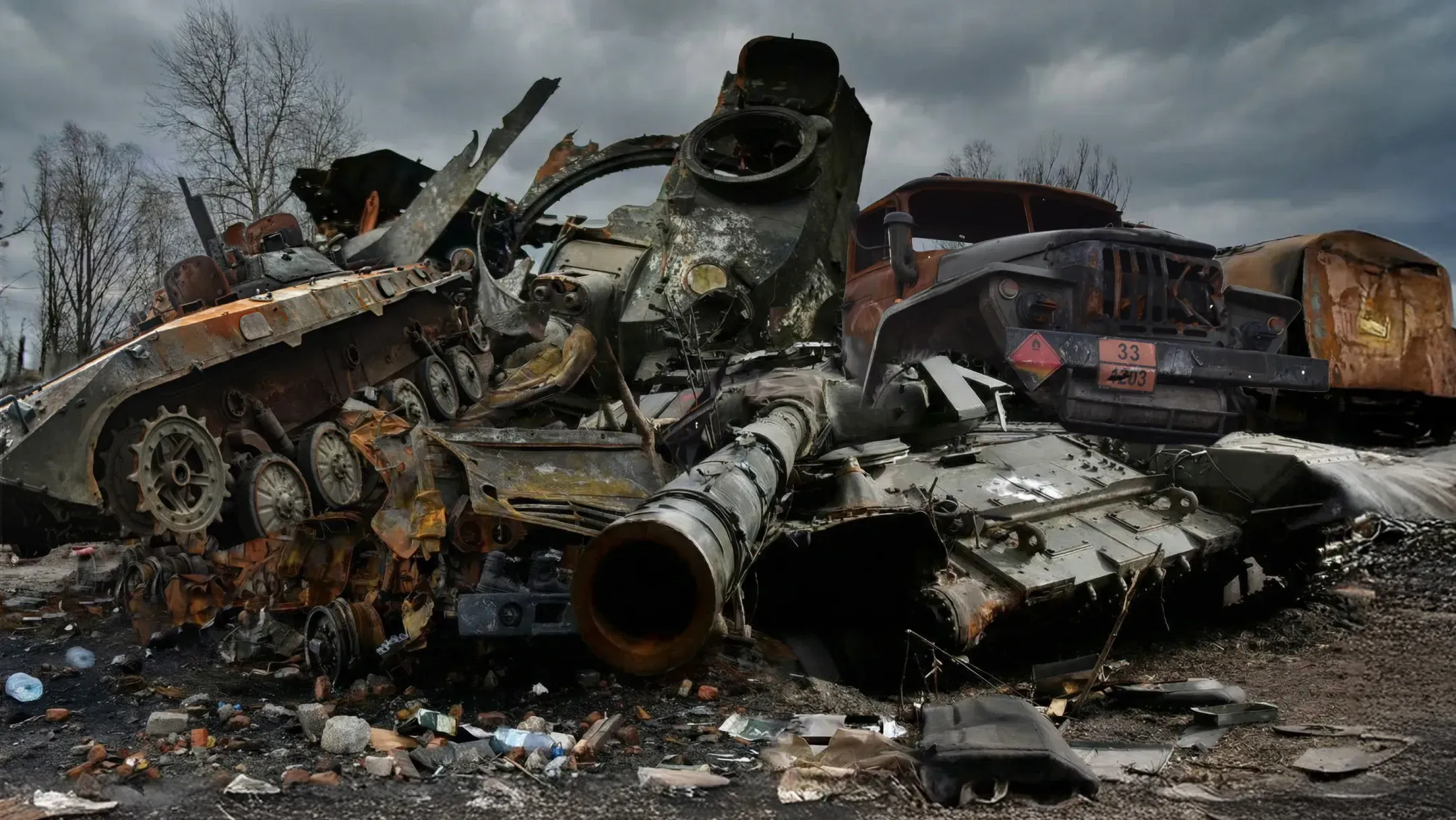
Daniel Angel Masie Nchama was 22 years old and studying IT when a Cameroonian contact known as "Fabrice" convinced him to travel to Russia. He is now back at his parents' house in Malabo, the capital of Equatorial Guinea. Between those two points: coerced contract signing, a shredded battalion in Donetsk, nine days without food, and an escape through a fabricated story about a weekend with a friend.
His account is another detailed firsthand testimony showing what awaits African recruits inside Russia's military system.
Signed at Gunpoint
Daniel was promised a bodyguard job so he was prepared for a military training, which was promised to last for 8 months. On arrival in Russia, he and the other recruits were handed documents written in Russian - a language none of them spoke. When they objected and he reached for his phone to translate them, a Russian soldier placed a weapon on the table. They signed. Their passports were confiscated immediately and never returned.
The eight months of training they had been promised became two weeks. His group was then transferred to Ukraine for a further 45 days of training before a night-time departure toward the front line.
Two Battalions
Nchama's first assignment was to a battalion of 424 soldiers in Donetsk. He says all of them were killed within two weeks and that he was the sole survivor.
He was then assigned to lead a second battalion near Volnovakha in the Donetsk Oblast region, with a mission to capture six Ukrainian villages. The position held for one month and nine days. Of 566 recruits in that assignment, he says three survived.
Throughout, conditions were severe. During one stretch the unit went nine days without food. Disobedience was not tolerated - he described being told that failure to follow orders could result in being killed by their own side.
How He Got Out
In March, Nchama managed to contact his parents. The story spread on social media across Equatorial Guinea, and the government announced diplomatic steps to secure his release.
He endured eleven more days at the front before being withdrawn to Murmansk in the Russian Arctic. There he told his superiors a false story about visiting a friend for the weekend, using an invented name. The Equatorial Guinean ambassador located him at the airport and brought him home.
His father, speaking after his son's return, warned young people and their families in the strongest terms against pursuing overseas job offers that sound too good. He described such promises as a guaranteed path to death.
The recruiter "Fabrice" had approached Nchama with the prospect of a life abroad. What followed was a sequence documented across dozens of African countries: a contact with ties to recruitment networks, a journey to Russia, documents signed under pressure in a language the recruit did not understand, minimal training, and immediate deployment to the heaviest fighting.
With Nchama at the front were other Africans - Cameroonians, Nigerians, Libyans, another Equatorial Guinean - and Colombians. Ukraine estimates that approximately 1,800 African nationals have been enlisted in Russian forces. The collective All Eyes on Wagner published the names of 1,417 Africans recruited between January 2023 and September 2025 to fight in Ukraine, more than 300 of whom have died. Egyptians, Cameroonians, and Ghanaians were reported as the most numerous among the African contingent in that list.
See also: Top 5 African countries by casualties in Russia's army
There Is a Way Out
For any foreign national currently serving in Russia's military who is looking for a way out, Ukraine's "I Want to Live" programme provides a verified, safe surrender channel. Use your chance to get out alive.
Source: The Standard, AFP