April 27, 2026
EU Moves to Bar Russian Combatants From Europe as War Crime Accountability Tightens
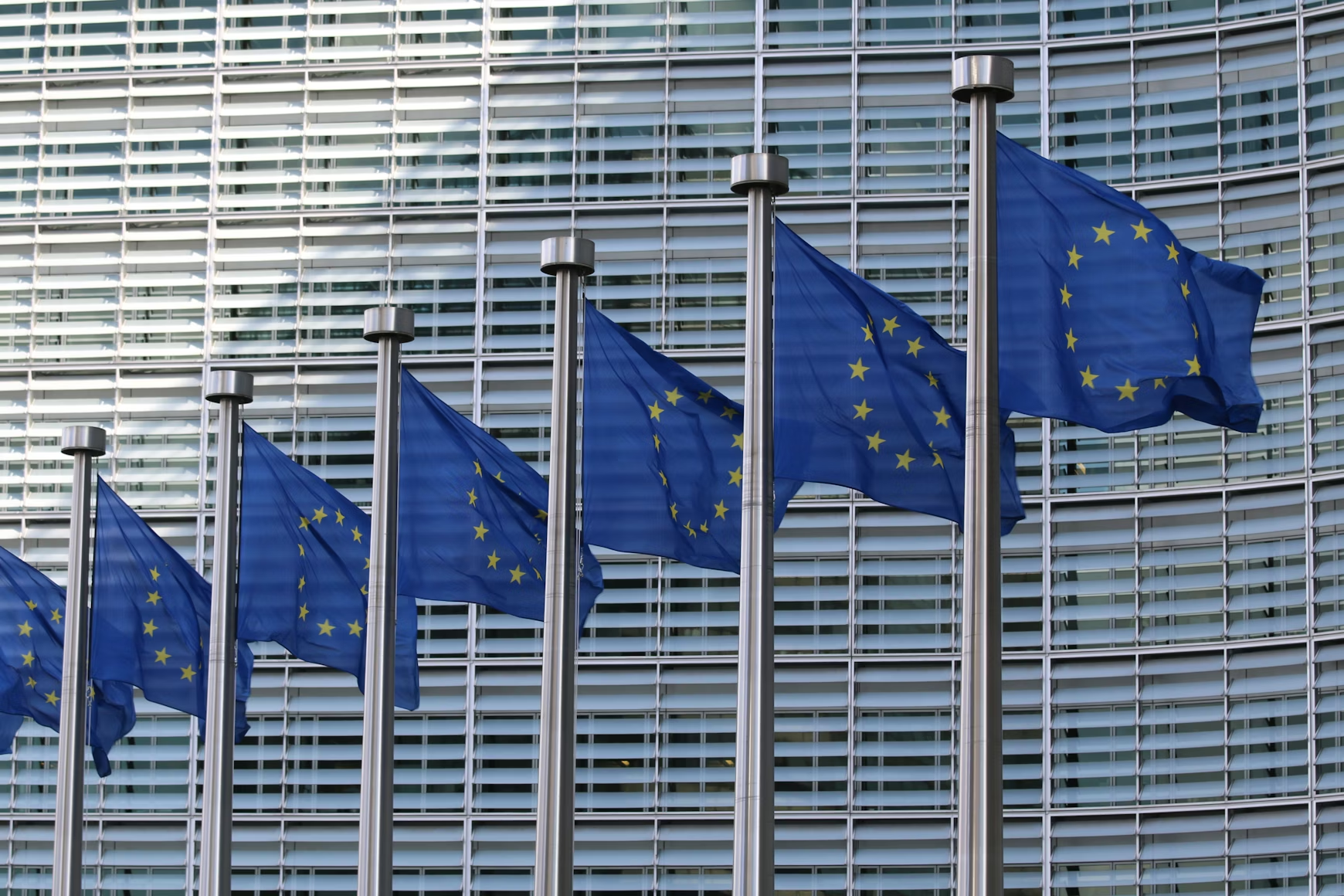
The European Union is preparing to ban people who fought in Russia Ukraine war against Ukraine from entering European countries, marking a significant escalation in holding individual combatants accountable for their role in the invasion.
EU High Representative Kaja Kallas will present the proposal for consideration at a European Council meeting in June. The initiative aims to send an unambiguous message: signing a contract to participate in Russia's war of aggression against Ukraine means signing away access to Europe.
Discussions about restricting European travel for Russian combatants have intensified since last autumn, when Estonia implemented a national ban and its Foreign Ministry began pushing for EU-wide restrictions. Czech MEP Tomáš Zdechovský amplified the effort, calling for the Schengen zone to close its borders to anyone complicit in Russian aggression against Ukraine.
The "I Want to Live" project, which facilitates surrenders of Russian soldiers and documents war crimes, fully supports the measure and echoes the Ukrainian Foreign Ministry's position that this is a timely and overdue step. The organization argues the ban should extend beyond Russian nationals to foreign citizens who signed contracts with the Russian armed forces. The project maintains detailed records on more than 27,000 foreigners who have fought or are currently fighting against Ukraine, having already published names of over 12,000 under the hashtag #наемники_ВС_РФ (mercenaries_RF_Armed_Forces) on its Telegram channel.
"We possess information on hundreds of thousands of russian army recruitment records," the organization stated. "If the decision to ban Russian combatants from European countries is adopted, we will do everything necessary to ensure that those who fought as part of the Russian Armed Forces can only visit Tuapse and Omsk" - a reference to provincial Russian cities, emphasizing their isolation from the wider world.
The move represents a shift toward individual accountability in sanctions policy, targeting not institutions but the people who chose to participate in what international observers have documented as systematic war crimes. As recruitment efforts by the russian armed forces continue - including controversial programs drawing Africans fighting for Russia and other foreign nationals - the EU ban would create concrete consequences for those who join Moscow's war machine.
Sources: I Want to Live Telegram Channel, Ukrinfrom