October 23, 2026
5 Signs a Job Abroad Is a Russian Recruiter's Trap

Don't let Russian recruiters deceive you. Be careful when looking for a job abroad. Men from all over the world have told their stories after being promised ordinary work and ending up in Russia's army, and their stories have a lot in common. Here are five signs that an offer may be a trap, with what the survivors went through.
1. The Job Is in Russia
Research the country before you take any job abroad. Some countries have safe working conditions for foreign workers; others do not. Russia is a red flag. Governments around the world have told their citizens not to go there, and the best way to avoid being forced into military service is to stay away.
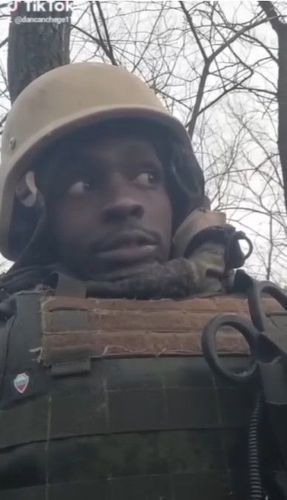
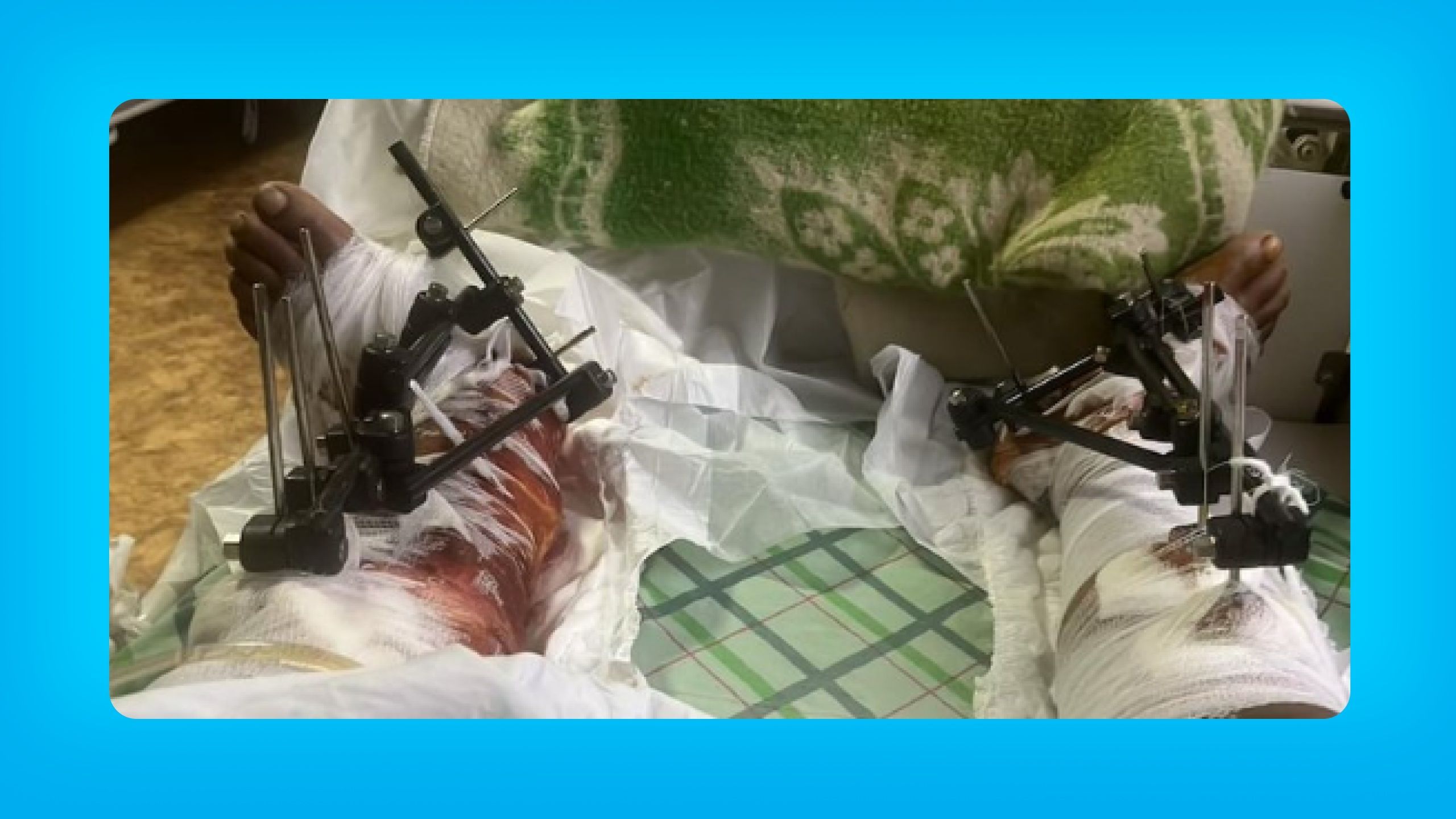
The survivors' jobs sounded harmless. Dankan Sheege, a Kenyan, was offered a driving job, hauling goods from China. On arrival he was taken to a military barracks, and other recruits told him: "They are deceiving you." His account is in our report on his story. Samuel Maina Kariuki, a Kenyan, was offered a security job at a mall, and was sent to the front after signing Russian-language papers; he was wounded and escaped twice. His advice: "Do not accept any job offers in Russia." Divine Ngum of Cameroon was told there were cleaning jobs, and surrendered to Ukrainian forces. South African Lifa Miya, a former bodyguard, was offered security training in Russia and says he was sent to fight, and lost a leg.

2. The Offer Is Too Good to Be True
Compare the salary you are offered with what the same job pays in the country you are travelling to. If it is far above what local workers earn, treat it as a strong sign of a scam or predatory recruitment scheme.
Dankan's agent first offered him a driver's job in Dubai for about 70,000 shillings (around $540) a month. When the Dubai visa stalled, the agent suggested Russia at 330,000 rubles, about $3,700 a month, roughly seven times as much, and a promised signing bonus of one million shillings. He never received any of it. Divine Ngum was promised 800,000 rubles and 200,000 a month for cleaning; he says the only money he ever saw was 4,000 rubles in a bank account.
3. The Recruiter Is Not Officially Registered
Look for officially registered companies, and check whether the recruiter or anyone linked to them appears in our directory of recruiters. Do not accept offers from intermediaries who are not authorised to do the work in your country and in the country you are travelling to. Verify what you are told online. The recruiter may even be a friend: Divine Ngum was brought in by a Cameroonian friend already in Russia.
An official licence is not always enough. In Bangladesh, 30 workers who left for Russia on April 24, 2026 went through three licensed agencies and had official clearance, and four had died by July, the minister told parliament, as we reported. But an unregistered recruiter is a clear no-go: you risk being drawn into a criminal scheme, trafficked, or pushed into military service.
4. You Are Being Rushed
Real employers do not rush you. Be alert if your agent wants you in the country as soon as possible, does not interview you properly, skips any kind of security or background check, and has you sign a contract at once before sending you to the airport. Dankan received his Russian visa within a week, and his tickets were issued the same day he said he was ready.
Be careful with contracts you cannot read. Divine Ngum signed Russian-language papers he could not translate. Samuel Kariuki signed documents with no time to have them translated, and they named his handler as his next of kin and redirected his bonus. Lifa Miya says that he too was made to sign papers in Russian.
5. The Route Goes Through a Third Country
Russian recruiters often avoid direct flights to Russia, which can help them avoid scrutiny at the border of the person's own country. Dankan flew to Moscow via Turkey. Samuel Kariuki flew from Nairobi to Istanbul and then to St. Petersburg. A stopover alone proves nothing, but together with the other signs it is a reason to walk away.
A Mother's Warning
The people who ignore the signs are not the only ones who pay. Lucy Mwaniki, from Kenya, has not heard from her son Fredrick since November 28, 2025, when he sent her a photo of himself in Russian military uniform. He had gone to Russia through an agent with a promise of work. "We don't know where he is," she told NTV Kenya, and "we do not know if our children are still alive". Her message to others: "Better to stay home". And: "Be alive. See your people."

What to Do If You Are Already Inside
If something has gone wrong, contact your country's diplomatic mission straight away and ask for consular help. This worked for both Kenyan survivors: Dankan reached the Kenyan Embassy in Moscow, which told him to come in and arranged his flight home, and Samuel went to the embassy twice. Do not wait; the longer you stay, the harder it gets.
If you are in Russia, you can also get help from the Ukrainian government. Read more details here.