October 23, 2026
Global Warning: Governments Around The Globe Are Telling Citizens Not to Go To Russia
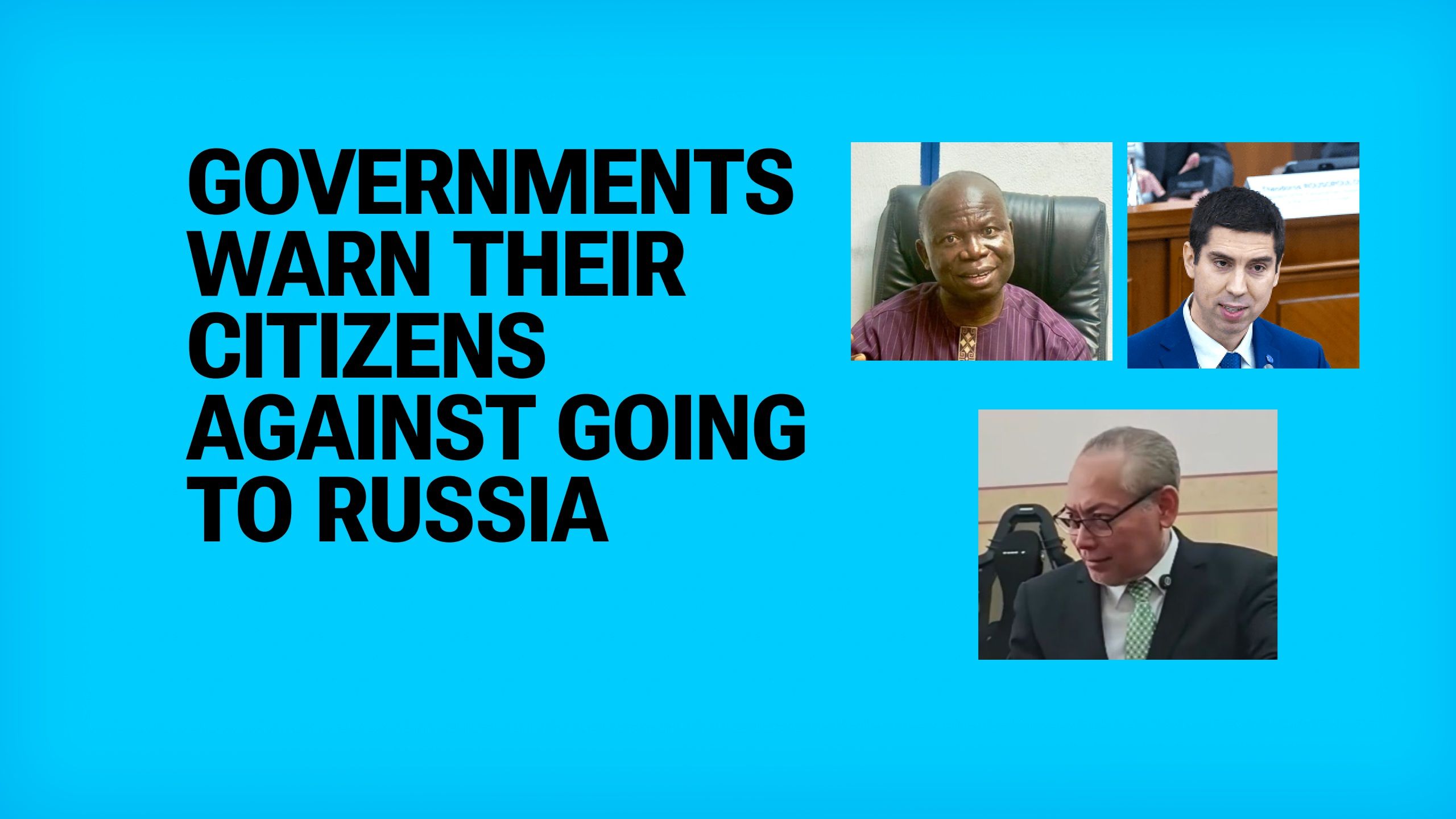
Governments on five continents are now warning their citizens about Russia's recruitment for its war against Ukraine. In recent months, officials in Moldova, Botswana, Kenya, Peru, Nigeria, Indonesia, Bolivia, the Dominican Republic and India have all issued public warnings. The countries are far apart, but the message is similar: be careful with job offers in Russia, because some end at the front line, and getting out is hard. The warnings come while Russian embassies in several of these countries have denied any recruitment, a pattern we described in The Ministry of Denial.
Moldova: "Russian Citizenship = Ticket to the Front"
In early July, Moldova's Deputy Prime Minister and Foreign Minister Mihai Popșoi warned on Facebook that taking Russian citizenship is the same as signing up for Russia's war. Moldova's Ministry of Foreign Affairs issued an advisory saying that men aged 18 to 60 are most at risk at the Russian border, including dual Moldovan-Russian citizens and people travelling alone. It said travellers have reportedly been questioned for 3 to 12 hours, had their documents taken, and had their phones searched, and that people in administrative detention have been pressured to sign military contracts. The ministry urged citizens to think carefully about whether they really need to travel to Russia.
Read more: Moldova's foreign minister warns citizens.

Botswana: "Alarming Rate" and "Heartbreaking Calls"
On July 18, Botswana's Ministry of International Relations said the number of Batswana being lured into recruitment for Russia's war is rising at an alarming rate. It said it is receiving "heartbreaking calls" from Batswana already at the front, that recruiters often present military service as ordinary jobs such as construction or security work, and that once people are in Russia the government's ability to give consular help is extremely limited. It told citizens to check any overseas job offer with the ministry first and listed warning signs such as unusually high pay, pressure to travel fast, and contracts they cannot read.
Read more: Botswana's government warning.
Kenya: Register With the Embassy
On September 4, Kenya's Embassy in Moscow told Kenyans living in or passing through Russia, Belarus and Kazakhstan to register with the mission. The embassy said registration lets it help people in distress and count how many Kenyans are in these countries, so that it can step in before they are recruited into Russia's army or caught by job scams. It gave two emergency phone numbers for Kenyans in need of urgent help.
Read more: Kenya's embassy warns citizens.
Peru: 22 Cases and a Warning About "Fake Job Offers"
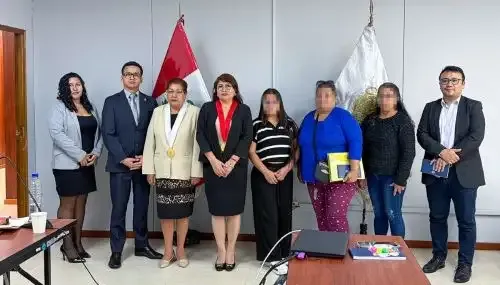
On September 11, Peru's Public Prosecutor's Office briefed relatives of alleged recruits on 22 open case files covering more than 300 alleged Peruvian recruits, according to Peruvian state news agency Andina. Senior prosecutor Rocío Gala Gálvez, who coordinates the offices that handle human trafficking crimes, warned Peruvians not to be deceived by messages offering high-paying jobs in Russia, or by promises of help with documents or travel costs. The office promised to keep investigating and to keep families informed.
Read more: Peru's prosecutors open 22 cases.
Nigeria: A Probe and a Warning About Mercenary Law
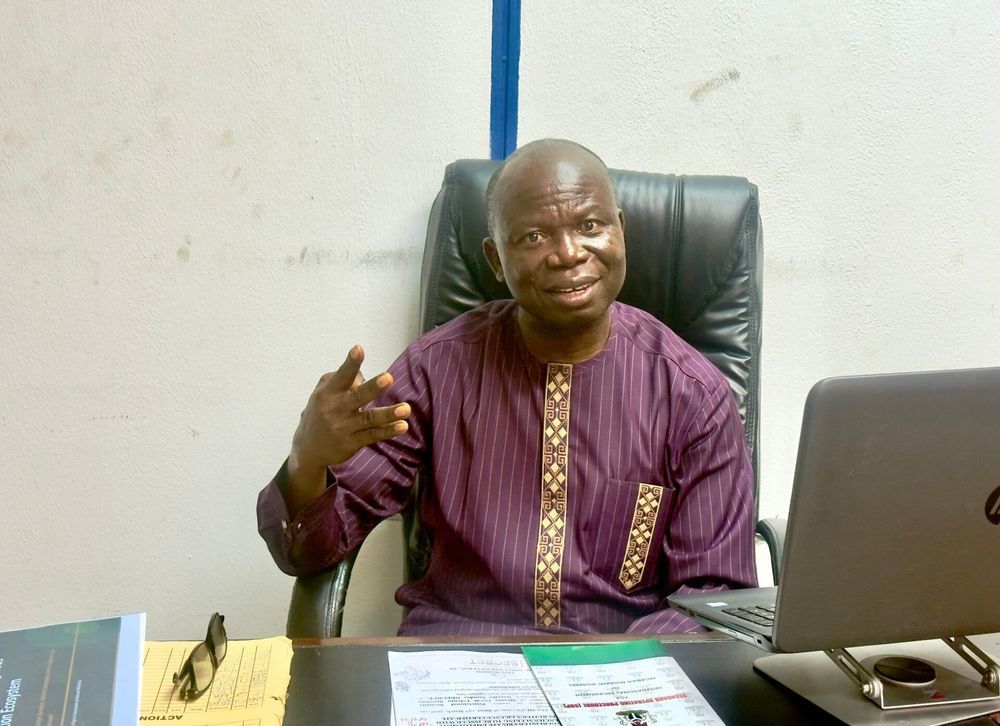
In mid-September, Nigeria's foreign affairs ministry said it has "grave concern" about citizens illegally recruited into foreign conflicts, and set up a committee with the labour ministry and security agencies to investigate. The labour ministry's director of wages and employment, Joseph Akpan, told TheCable that Russia is among the hotspots, and that recruits are lured with offers of civilian work such as driving or security and then pushed into the military. The foreign ministry warned that taking part in foreign conflicts may break Nigerian and international law on mercenary activity, and urged people to check job offers through official channels.
Read more: Nigeria opens a probe.
Indonesia: Contracts in Russian and a Citizenship Risk
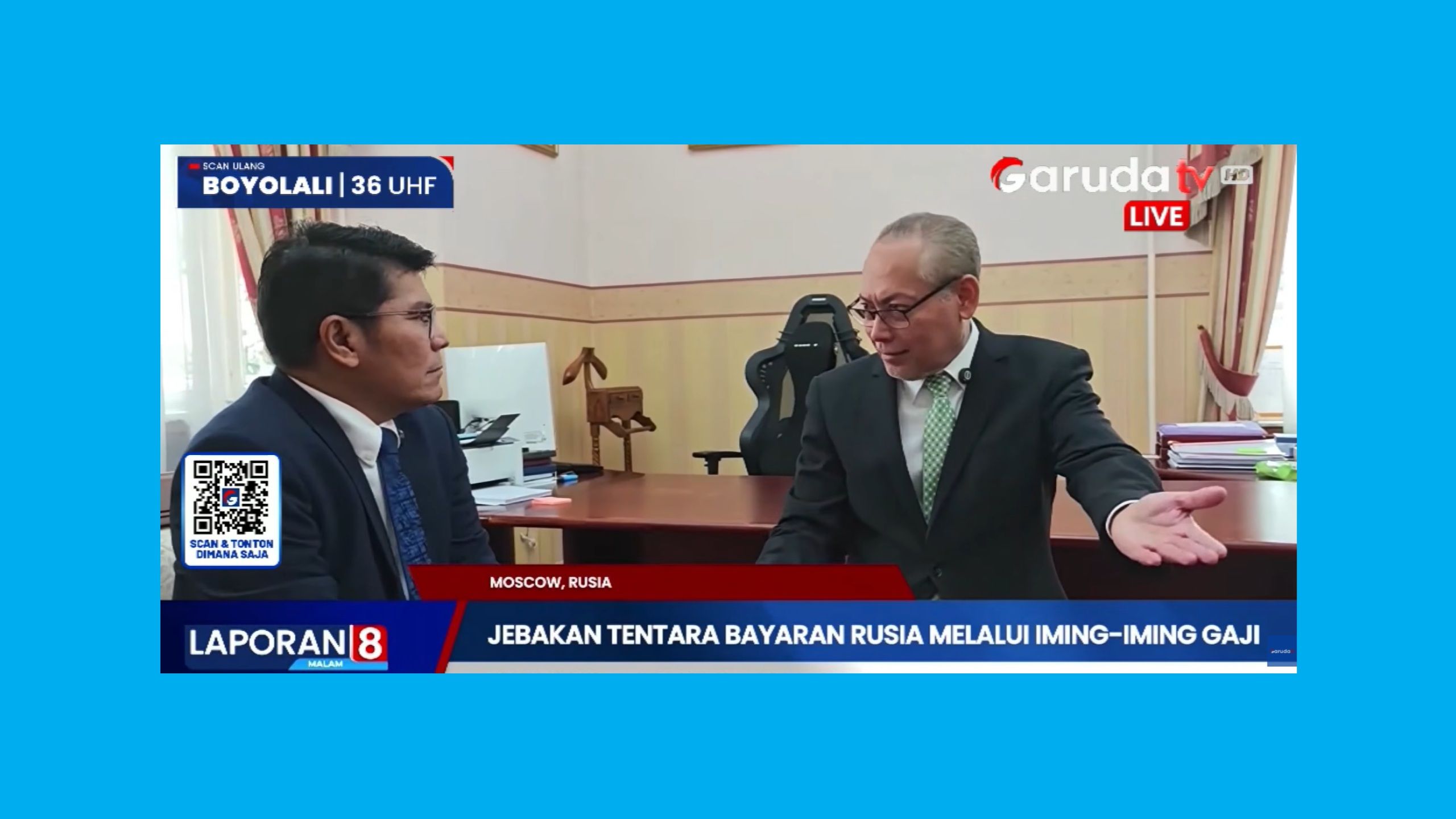
On September 20, Indonesia's ambassador to Russia and Belarus, Jose Antonio Morato Tavares, told Garuda TV that dozens of Indonesians are believed to be trapped as mercenaries in Russia. He said recruitment happens through social media and agents, that some contracts are written in Russian with no Indonesian translation, and that leaving after signing is "very difficult". He also said that joining a foreign military can affect a person's Indonesian citizenship. The embassy has sent a formal note to Russia's foreign ministry asking it to verify the reports, and he advised Indonesians to check any offer with the foreign ministry, the embassy or the migrant workers protection agency BP2MI.
Read more: Indonesia's ambassador warns citizens.
Bolivia: Four Investigations and Up to 31 Possible Victims
On September 21, Bolivia's Public Prosecutor's Office and Foreign Ministry gave an update on recruitment for Russia's war, in reporting by the newspaper El Deber. Prosecutor Giovana Castro said the office has four open human trafficking investigations covering Santa Cruz, Tarija and Beni, and that families' economic hardship was exploited and recruits were deceived. Investigators found offers of construction, security and other civilian jobs, paid trips, "cultural visits" to Russia, and Russian-language contracts signed before recruits were sent to military units. Up to 31 Bolivians have been identified as possible victims. Foreign Minister Héctor Huanca said the ministry has logged 34 requests for consular help and is working with authorities in both countries to find, protect and relocate Bolivians, and that five have been brought home.
Read more: Bolivian prosecutors on 31 citizens recruited.
Dominican Republic: Check the Employer, and the Foreign Minister Raised It With Lavrov
On September 25, the Dominican Republic's Ministry of Foreign Affairs (MIREX) urged citizens to be careful with job offers to travel to Russia, saying that they can lead to involvement in the war against Ukraine. It told people to check where an offer comes from, who the employer is and what the terms are, especially when recruitment happens only online or through intermediaries that cannot be verified. It promised consular help and a safe return for Dominicans who accepted such offers and are in danger. Foreign Minister Víctor "Ito" Bisonó also raised the issue with Russian Foreign Minister Sergei Lavrov at the UN General Assembly.
Read more: Dominican Republic warns citizens.
India: Do Not Join for Pay, and Do Not Give Up Your Citizenship
On September 30, India's Ministry of External Affairs said it still receives reports of Indians recruited into Russia's armed forces despite its earlier warnings. It told citizens to be wary of job offers from unverified people, including "voluntary groups" not registered with the ministry. It also named two worrying patterns: people who seek out Russian military service for the pay and then expect India to get them released, which it called a dangerous path, and people who try to give up Indian citizenship, get a Russian passport and join the military.
Read more: India's MEA advisory.
What the Warnings Have in Common
The nine governments have little else in common, but their warnings share one cause. Each followed numerous cases of citizens being lured, deceived or pressured into Russia's army, and each is an attempt to protect people from Russian recruiters before they leave home. Some governments were reacting to deaths and missing citizens, others to criminal cases, border pressure on travellers, or families asking for help.
The message that follows from all of them is simple: do not travel to Russia. Staying away is the surest way to avoid being coerced into military service, because once a person is in Russia, their government can do very little, and getting out of a military contract is very hard.
A Safe Way Out
Foreign nationals lured into Russia's armed forces have an option to safely escape the battlefield with Ukraine's "I Want to Live" project. See our FAQ for recommendations for victims of Russian military recruitment and their families.