August 3, 2026
51 Indians Dead Fighting for Russia. India's Supreme Court Has Ordered the Government to Help Their Families.
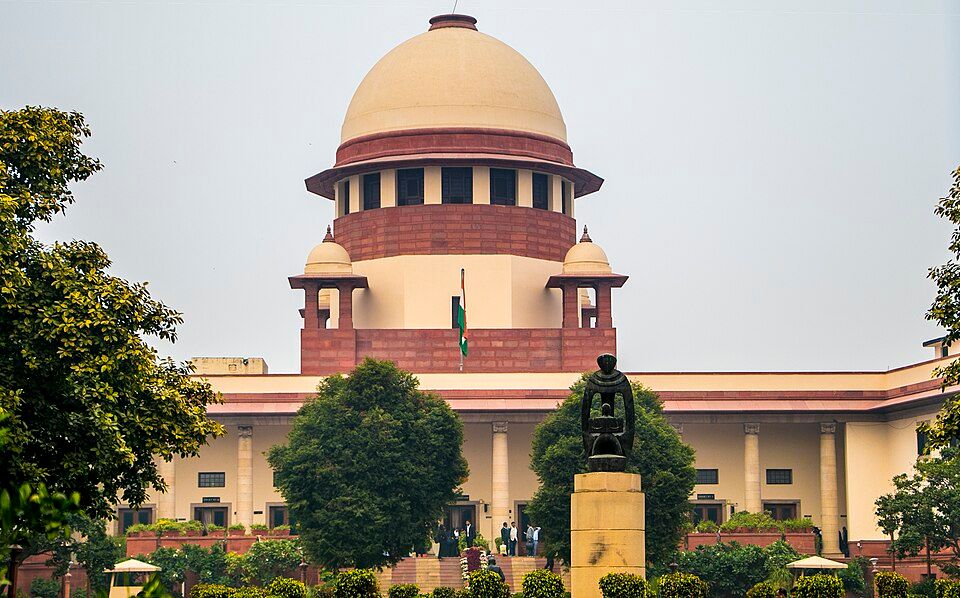
On July 31, 2026, India's Supreme Court directed the Ministry of External Affairs to appoint a dedicated nodal officer to coordinate support for the families of Indian nationals who have died, gone missing, or been injured while fighting in Russia's war against Ukraine.
The bench - comprising Chief Justice Surya Kant and Justices Joymalya Bagchi and V. Mohana - issued the order while hearing a petition brought on behalf of families whose relatives were trafficked into the Russian military by travel agents operating in India.
According to figures presented to the court by the government's own counsel, 51 Indians have died in the conflict. 219 are known to have fought. Twenty have been brought back to India.
On the same day, MEA spokesperson Randhir Jaiswal confirmed at a press briefing that 139 Indians had been released from their Russian military contracts through diplomatic engagement, and that approximately 24 remain. In November 2025, the MEA had put that remaining number at 44 - meaning diplomatic pressure has continued to bring people home, but the effort is not finished.
What the Court Ordered
The directions cover the full chain of problems families have been hitting:
The MEA must publish the nodal officer's contact details and share them with affected families. It must arrange DNA tests for family members of the deceased, and once identities are confirmed, facilitate the return of remains. It must provide families with details of the documents needed to claim compensation from Russia, communicated in vernacular languages. It must expedite repatriation cases so families can conduct last rites without unnecessary delay.
The National Legal Services Authority and state legal services authorities were also directed to assist families in pursuing both repatriation and compensation claims - and to ensure families receive proper receipts and documentation.
The court disposed of the petition after issuing the directions.
How They Got There
The bench noted that more than 200 Indians - mostly from Rajasthan, Haryana and Punjab - had travelled to Russia during 2024 and 2025 after being promised jobs in hospitality. The petition alleged they were then duped by travel agents, had their passports confiscated on arrival, and were enrolled in the Russian Army before being sent to the front.
"Unfortunately, many lost their lives and after due verification, mortal remains of many have been brought to India," the court said, while noting that several families were still waiting for compensation.
The government told the court that diplomatic engagement with Russia had secured the release of 139 Indians from their military contracts. DNA samples from families of 21 individuals had already been collected and shared with Russian authorities. The Centre said it has been advising Indian nationals against travelling to Russia for conflict-linked employment since February 2024 and has initiated action against recruitment networks.
The Broader Picture
India joining the list of countries whose courts and governments are being forced to intervene reflects how wide Russia's foreign recruitment network has spread. Kenya, South Africa, Ghana, Equatorial Guinea, Chile, Panama - in each case the pattern is the same: fake job offer, travel arranged, documents confiscated, front line. And then families left to navigate bureaucracies in a foreign language with no money and no support.
India's Supreme Court's order is notable because it forces a response. Families no longer have to figure this out alone and now can get support by their state.
The families are pushing back. The petition that triggered this ruling was brought by relatives of the dead and missing - people with no legal background and no resources, who nonetheless found lawyers, filed in the country's highest court, and won a series of binding directions. That is what families acting against Russia's recruitment pipeline looks like in practice: demanding accountability from every institution that failed to protect their relatives and to force government act against the pipeline.
Source: National Herald, Mirror Now