October 26, 2026
Same Tactics, Same Denials, New Countries: INPACT Report Says Russian Recruitment Is Spreading Despite Assurances
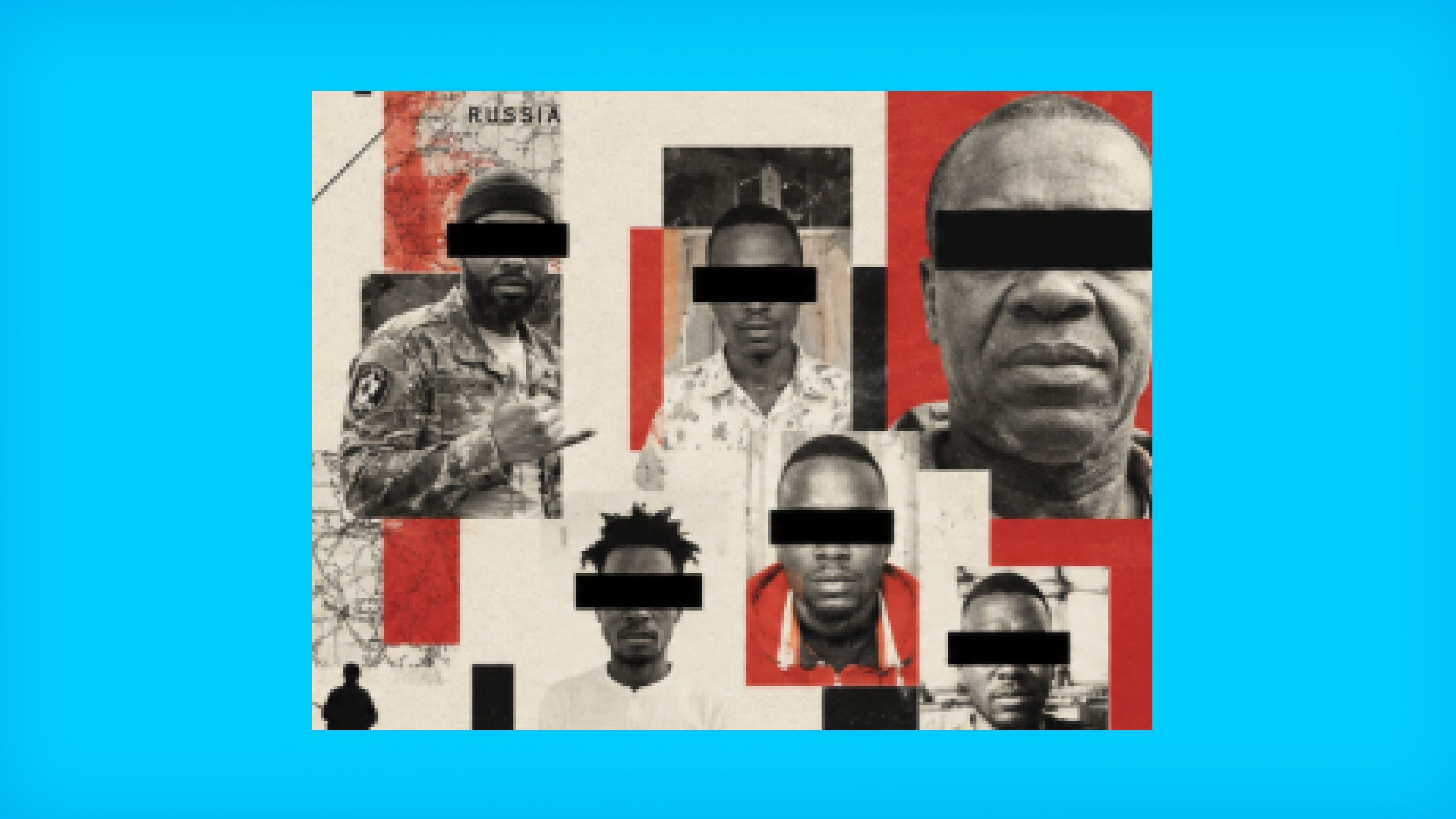
Russia's recruitment of foreigners for its war against Ukraine has not stopped, despite assurances given to several governments, and it is spreading to new regions, according to a new investigation by INPACT's publication Investigations with Impact, released on October 21, 2026. The report, "Russian Recruitment: Same Tactics, Same Denials, New Countries", is the first in a series called "Human Networks", which follows the people and intermediaries behind the recruitment of foreigners into the Russian army. It builds on INPACT's February 2026 report, "The Business of Despair", which used leaked databases to list 1,417 African nationals recruited by Russia.
Assurances That Did Not Hold
The report says several governments raised the recruitment of their citizens with Moscow and asked for guarantees, with "apparently limited success". In March, Kenya's Foreign Minister Musalia Mudavadi said Russia had agreed to stop using Kenyan recruits and that Kenyans would no longer be eligible to enlist, according to The Star. The report says Russian Foreign Minister Sergei Lavrov, for his part, has described foreigners as joining voluntarily "in full compliance with Russian law". Yet the report says Africans from Kenya, Nigeria, Sierra Leone, Cameroon and Mauritius have since been reported killed or captured, most of them enlisted in 2026 and sent to the front after short training.
India is another example. The report says Prime Minister Narendra Modi raised the issue with Putin in July 2024 and that Russia promised to discharge Indians early. It says India asked Russia again in September 2025 to stop recruiting and to release Indians already serving, a request reported by TRT World. Russia's ambassador to India, Denis Alipov, later said that Russia stopped recruiting Indians in March 2025 and that some Indians still serving have become Russian citizens. In October 2026, according to figures from India's Ministry of External Affairs, about 259 Indians are believed to have been recruited, 139 had been discharged early, and 69 were still believed to be serving. In late August, Foreign Secretary Vikram Misri said that 51 Indians had died, when the number of recruits he cited was 227.
Recent Cases the Report Points To
The report names recruits from several African countries who were killed or captured after the assurances were given, and Ukraine's Defence Intelligence (DIU) has published details of some of them. A Nigerian man from Ondo State signed a Russian army contract in late February 2026, about a week after Nigeria's foreign ministry voiced concern about illegal recruitment, and was killed near Hrafske in the Kharkiv region, DIU said on May 28. On July 15, DIU described two Cameroonians, aged 23 and 25, who were killed in April and May 2026, about a month after signing; the "I Want to Live" project counts at least 104 Cameroonians killed. A 41-year-old Sierra Leonean flew to Moscow via Dubai in March 2026 and was killed in early June near Shakhove, according to DIU. The project counts at least 13 Sierra Leoneans recruited, two of them prisoners of war.
Some cases show how people end up with a contract. DIU said a Mauritian man arrived in St. Petersburg as a tourist in June 2025, was fined for staying illegally, was left without money and accepted a short contract, and was killed around December 2025 in the Sumy region. DIU also said that one of two Kyrgyz men killed in June 2026 was fined in a raid on migrants in Novosibirsk and signed a contract under pressure from police over expired documents.
The Blacklists
The report discusses the unofficial lists of countries whose citizens Russia is said to have stopped recruiting. In February, iStories reported a list of 36 countries whose citizens were supposedly barred from signing contracts with the Russian armed forces from 2026. It found the list in recruiters' groups and chats, and one major regional recruitment centre confirmed it. The countries named include Ghana, Kenya, Nigeria, Egypt, South Africa, India, Sri Lanka, China, Cuba and Brazil. Meduza reported a later version with 43 countries, based on a claim by an Iraqi blogger that the recruitment centre did not confirm. iStories noted that its source was still recruiting in Colombia, one of the countries on that expanded list. The report says it is open to debate whether the lists were genuine or disinformation. Ukraine's "I Want to Live" project has said that Russia reportedly paused recruitment in 39 countries and moved to others.
Recruitment Keeps Growing
The numbers keep rising. FIDH's report, published in April, says the number of foreign fighters rose by more than 30% between September 2025 and February 2026, and that Ukrainian intelligence identified plans to recruit another 18,500 foreign nationals by the end of 2026. It also cites Ukraine's Coordination Headquarters for the Treatment of Prisoners of War, which said in March that at least 27,000 foreign nationals from more than 130 countries had joined pro-Russian forces. By October, Ukraine's "I Want to Live" project had identified 45,959 foreign nationals from 151 countries who signed contracts with the Russian army.
A Case From Zimbabwe
The report follows one recruit from Bulawayo, Zimbabwe, a man in his mid-20s who it says travelled to Russia in late June 2026 via Addis Ababa and Dubai. The report says this split route may make border checks harder. His social media posts show him enlisting on August 7 and wearing Russian marine insignia, and on October 9 he said in a live stream that he would soon be "going on my mission". By October 12 he appeared to be near the combat zone. The report could not confirm which unit he served in.
How Recruiters Find People
The report describes a network of recruiters and promoters, many of them online. Accounts such as "Sugar Boyza", which claims to be based in Botswana, promote Russian military service with influencer-style videos that show little fighting. Recruitment ads also appear in job groups on Facebook and TikTok, including one in Lubumbashi in the Democratic Republic of the Congo. The report cites research by iLAB, part of Code for Africa, that found a network of 197 websites and web assets, 19 social media accounts and 73 messaging accounts, many of which are quickly replaced after they are taken down. Because the network is informal, the report says, it gives Russia deniability and is hard to stop.
Pressure Inside Russia and Spread to Latin America
The report says Ukraine's Defence Intelligence (DIU) claims Russian regions were given quotas to recruit between 0.5% and 3.5% of their foreign populations, and that foreigners on work or study visas who run into visa problems may be pressed to join the army. The report says recruitment is also growing in Latin America, with Cuba, Colombia, Peru, Argentina, Brazil, Honduras and Paraguay named. FIDH's report, which the INPACT report cites, says open-source reports suggest an estimated 1,000 to 8,000 recruits from Latin America have joined the Russian armed forces, and that the real number is likely much higher. For Cuba, the INPACT report gives estimates ranging from up to 5,000, attributed to US intelligence, to more than 20,000, attributed to Ukrainian military intelligence.
"Defund the Networks"
The report's conclusion is that as long as recruiters and recruits have a financial reason to take part, recruitment networks will recover from any crackdown, so the money that feeds them has to be cut off. The official denials that go with this are the subject of our own analysis, The Ministry of Denial, which looks at how Russian embassies in several countries have answered reports of recruitment.
A Safe Way Out
Foreign nationals lured into Russia's armed forces have an option to safely escape the battlefield with Ukraine's "I Want to Live" project. See our FAQ for recommendations for victims of Russian military recruitment and their families.