July 1, 2026
Kenya Approves Two International Anti-Mercenary Treaties to Stop Russian Recruitment of Its Citizens
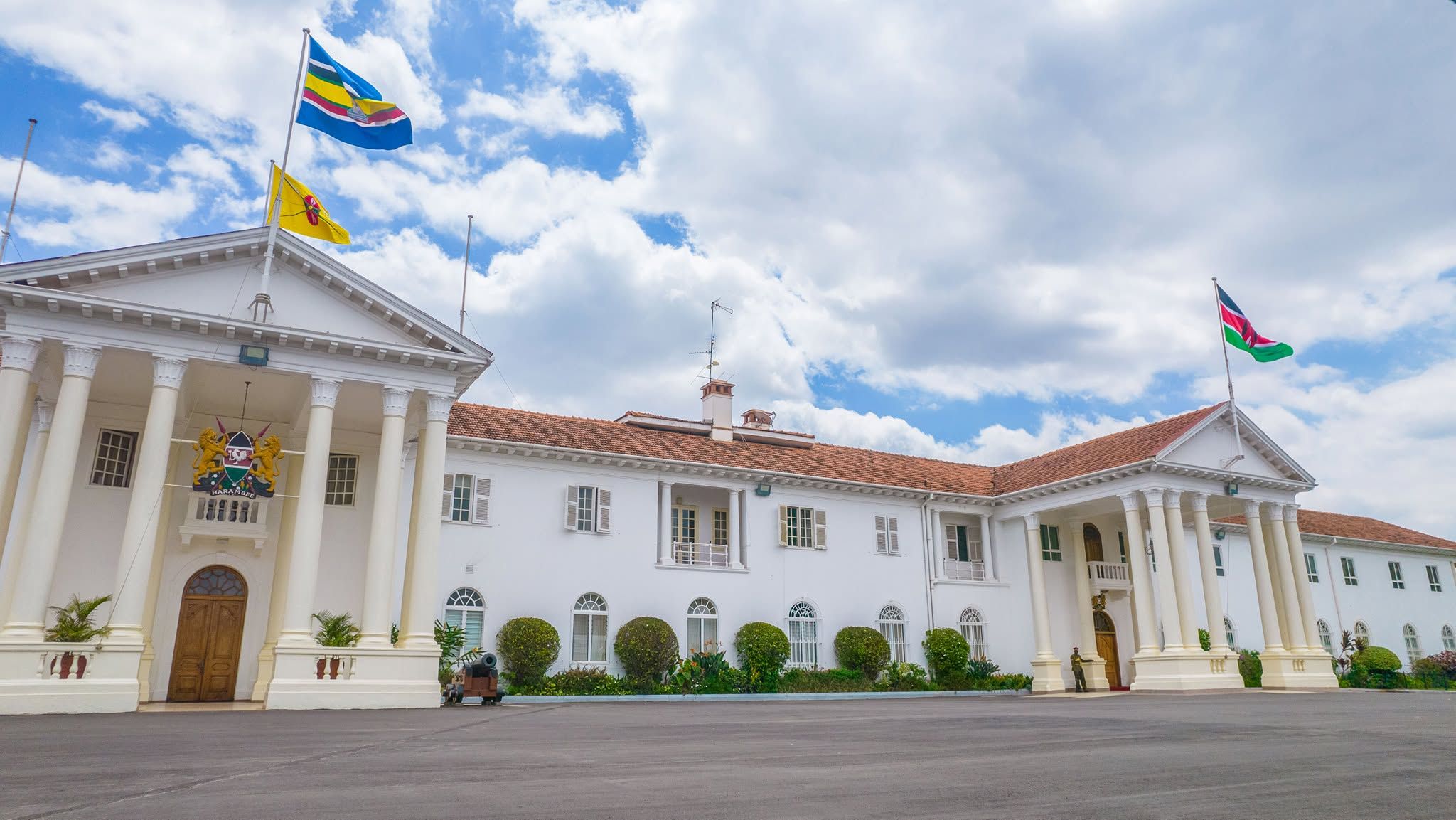
The Cabinet of the Republic of Kenya approved the country's formal accession to two international anti-mercenary treaties on 1 July 2026, closing legal loopholes that have allowed criminal recruitment networks to send over 500 Kenyan nationals to fight in Russia's war against Ukraine. The Cabinet also approved amendments to the Counter-Trafficking in Persons Act to tighten enforcement against the agencies behind this pipeline.
The Two Treaties
The 1989 United Nations Convention Against the Recruitment, Use, Financing and Training of Mercenaries is the primary international legal instrument defining and criminalising mercenary activity. It obliges signatory states to make mercenary recruitment, financing, and training a domestic criminal offence, and to either prosecute or extradite individuals responsible - regardless of where the offence was committed. The convention defines a mercenary as a person motivated primarily by private financial gain who is not a national of the state they are fighting for, was not sent by their own government in an official capacity, and was not a resident of territory controlled by the state they fight for. Notably, the convention has relatively few signatories - its ratification by Kenya is therefore a meaningful legal step rather than a formality.
The 1977 OAU Convention for the Elimination of Mercenarism in Africa was adopted in Libreville, Gabon, under the Organisation of African Unity. It predates the UN convention by twelve years and takes a broader view - defining mercenarism as a crime against peace and security across the African continent. While Kenya had previously been a signatory to this convention, it had not taken the further step of formal accession required to make its provisions binding in domestic law.
Together, the two instruments give Kenya the legal basis to investigate, prosecute, and seek the extradition of recruiters operating on its soil - including foreign nationals running recruitment pipelines targeting Kenyan citizens.
Why Now
The Cabinet memorandum cited "loopholes in existing laws" that have allowed rogue recruitment agencies to exploit vulnerable Kenyans with false promises of employment in Eastern Europe. More than 500 Kenyan nationals have reportedly been recruited into the Russian Armed Forces, according to figures referenced in the Cabinet memo.
Kenya is among the African countries with the highest confirmed casualties in Russia's armed forces. The recruitment pipeline has been active for years - through social media advertising, local brokers, and channels that families believed were legitimate. Men left for what were described as security, logistics, or civilian jobs. They were sent to assault units in Russia's war of aggression against Ukraine.
See also: Top 5 African countries by casualties in Russia's army
What the Amendments to the Counter-Trafficking Act Add
Beyond treaty accession, the Cabinet approved proposed amendments to Kenya's Counter-Trafficking in Persons Act. According to reporting by Capital FM, these are intended to target the entire supply chain of illegal recruitment - not only the frontline recruiters but the networks behind them. The amendments are expected to proceed to Parliament for ratification.
The Cabinet also noted that Kenyan nationals' continued involvement in foreign military operations risks damaging the country's standing in international peace and security forums - a concern that reflects growing diplomatic pressure on Nairobi from Western governments monitoring foreign fighter flows into the Russia's army.
A Step Forward - With Unanswered Questions
The treaty accessions are a meaningful legal development. They give prosecutors tools they previously lacked and create a framework for extraditing foreign recruiters operating inside Kenya.
What the treaties do not resolve is accountability for the Kenyans already deployed, missing, or killed. Kenya's families have been demanding answers for months - protesting outside the Russian embassy in Nairobi, calling for the return of remains, and in some cases demanding the prosecution of Kenyan officials they hold responsible for facilitating the recruitment pipeline.
See also: Russia executes Kenyan recruits and rushes 518 to the front'
For Kenyan Families
If you or your relative signed or were coerced into signing a contract with the Russian Armed Forces and are looking for a way out - Ukraine offers it. Click here to find out more.
Source: Capital FM Kenya