August 5, 2026
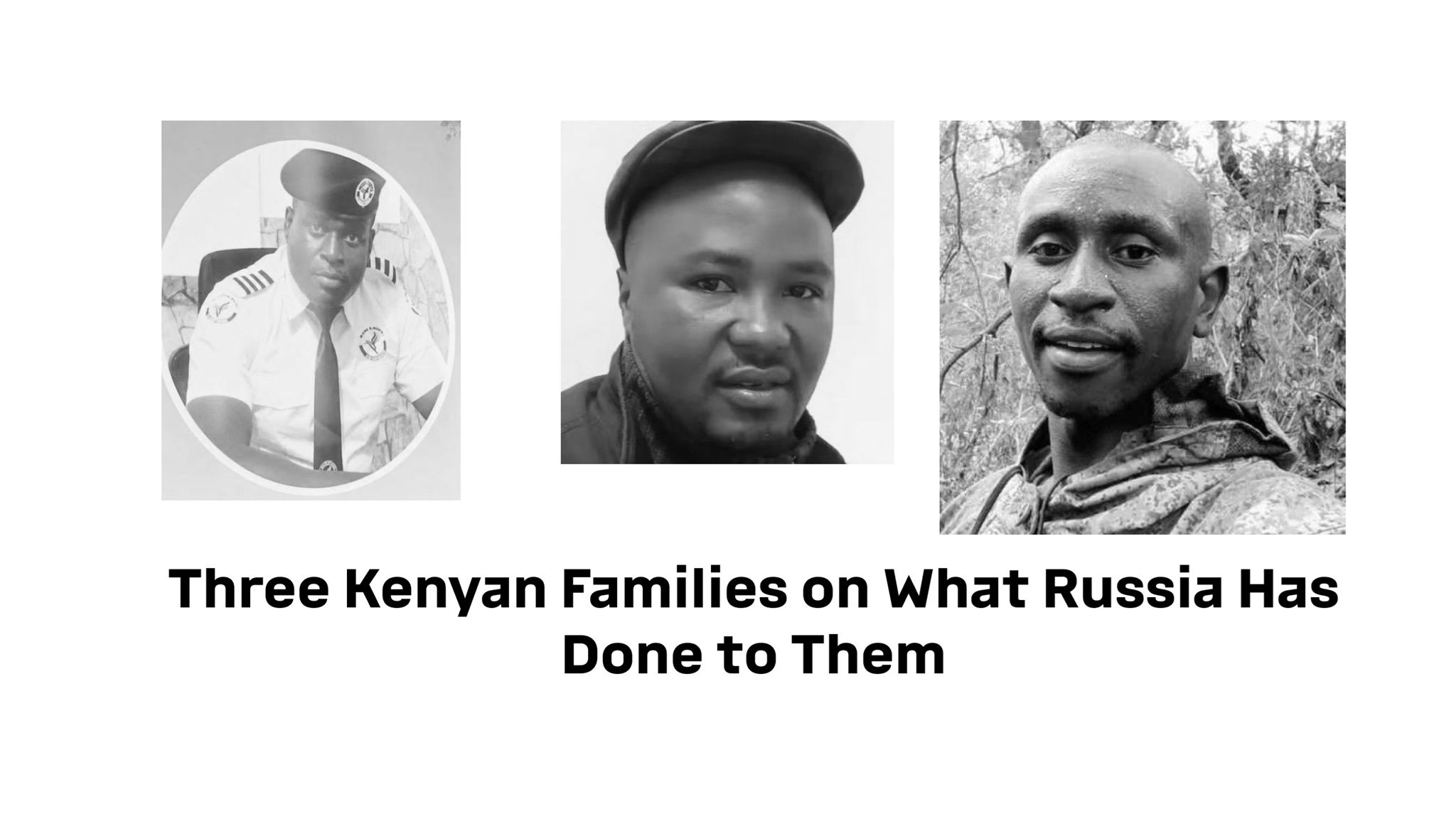
"We Just Want to Know the Truth." Three Kenyan Families on What Russia Has Done to Them.
Shadrack Wafula Matofari, 27, left for Russia in July 2025 believing he had found a job. He had trained in firefighting and waited a long time for stable employment. Someone he knew pointed him toward an agency called Global Face Human Resource. They had an offer abroad. He took it.
His brother Barasa tried to talk him out of it. Matofari was determined.
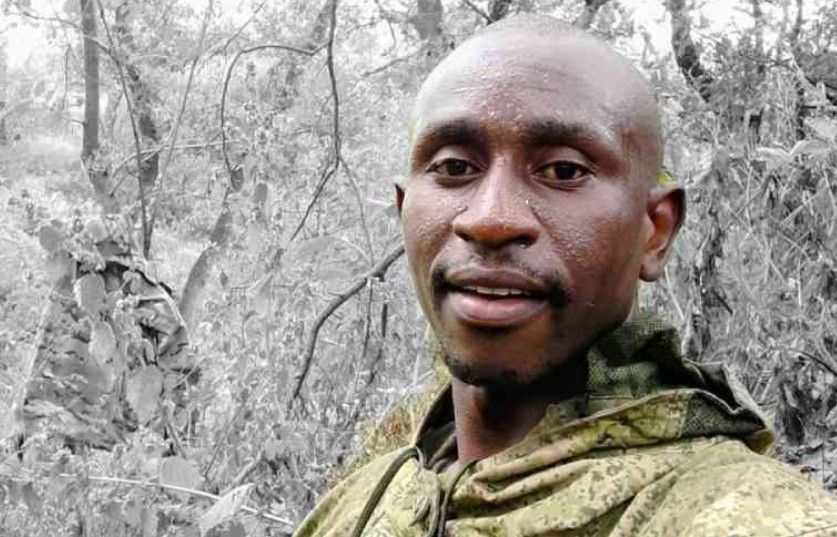
Before leaving for the front line after four weeks of combat training, Matofari sent a final message: "We are going on a mission. We will be out of network for some time. I'll be unreachable for about a month after the training. Once we're back, I'll call you."
The call never came. That was over a year ago.
"That was the end of the communication between him and me. I've never heard from him again," Barasa, his brother, told The Standard.
The Missing
In March 2026, the Kenyan government formally confirmed that Matofari was Missing in Action, relaying communication from Russia's Ministry of Foreign Affairs through the Embassy of Kenya in Moscow. Shortly after, Russian officials requested next-of-kin documents and details for compensation processing. The family submitted everything in April 2026.
There has been no communication since.
Before every month ends, Barasa sends an email to the embassy. A different answer never comes.
"Some have been confirmed dead, and their families have been told that their relatives are dead, but they have not even received their bodies," Barasa said. "We just want to know the truth. What happened to him and where is he?"
Matofari had been promised a monthly salary of 330,000 Kenyan shillings (~$2,500 USD) and a completion bonus of 2 million shillings (~$15,400 USD) after one year. He had also been promised Russian citizenship, the possibility of bringing family members to Russia and government housing. His expenses - medical examinations, airfare, accommodation - were all covered by the recruiter. Two associates of Global Face Human Resource have since been arrested and arraigned.
The Conflicting Information
Martin Macharia is described by The Standard as reportedly the first Kenyan casualty of the war. His wife, Grace Gathoni, says she still does not know if he is alive or dead.
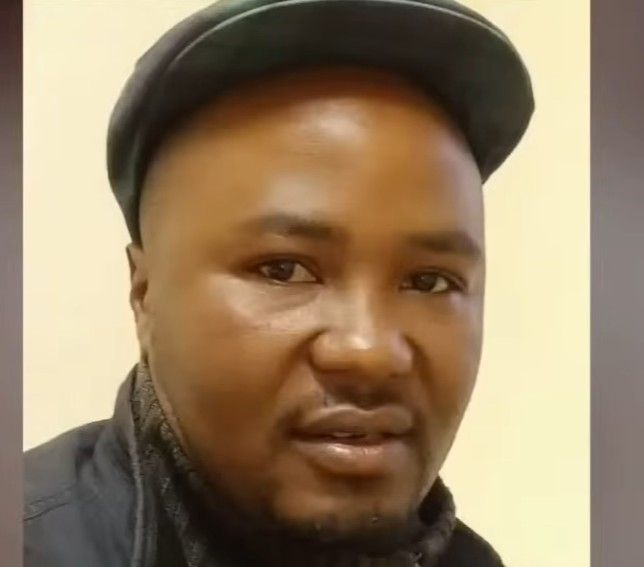
Macharia left Kenya in 2025 after being promised a driver's job, and ended up at the front line. His one-year contract was due to lapse in October 2025. What his wife, Gathoni, has been told since has shifted repeatedly - first that he was dead, then that he was still in camp in Russia, then, in July 2026, that he had been classified as Missing in Action.
"I received different stories about my husband, and it's confusing. At first I heard that he is dead, then the Ministry said he's in the camp, and now he's missing in action. Up to now I don't know if he is dead or alive," Gathoni told The Standard.
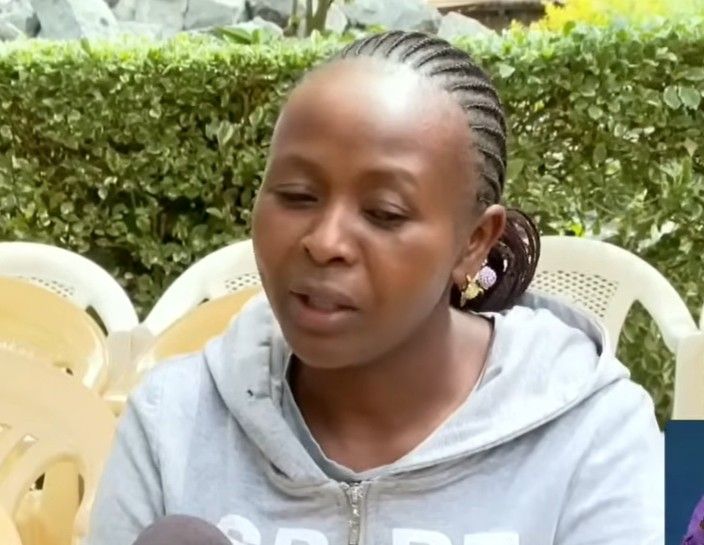
She is raising their children alone. "Life has been very difficult for me and our family. I've been trying to provide for my children alone, but it's very difficult. I wish I could get clear communication on where my husband is."
The Symbolic Burial
Oscar Mutoka Khagola was killed in the Russia-Ukraine war in August 2025. His death was eventually confirmed by the Russian government through the Kenyan government. His body is held in Rostov-on-Don, a city in southern Russia that hosts major military mortuary facilities.
It was never repatriated.
His father, Charles Mutoka Khagola, made repeated appeals to the Kenyan government and the embassy for assistance. Nothing came. Nine months after his son's death, in May 2026, the family held a symbolic burial.
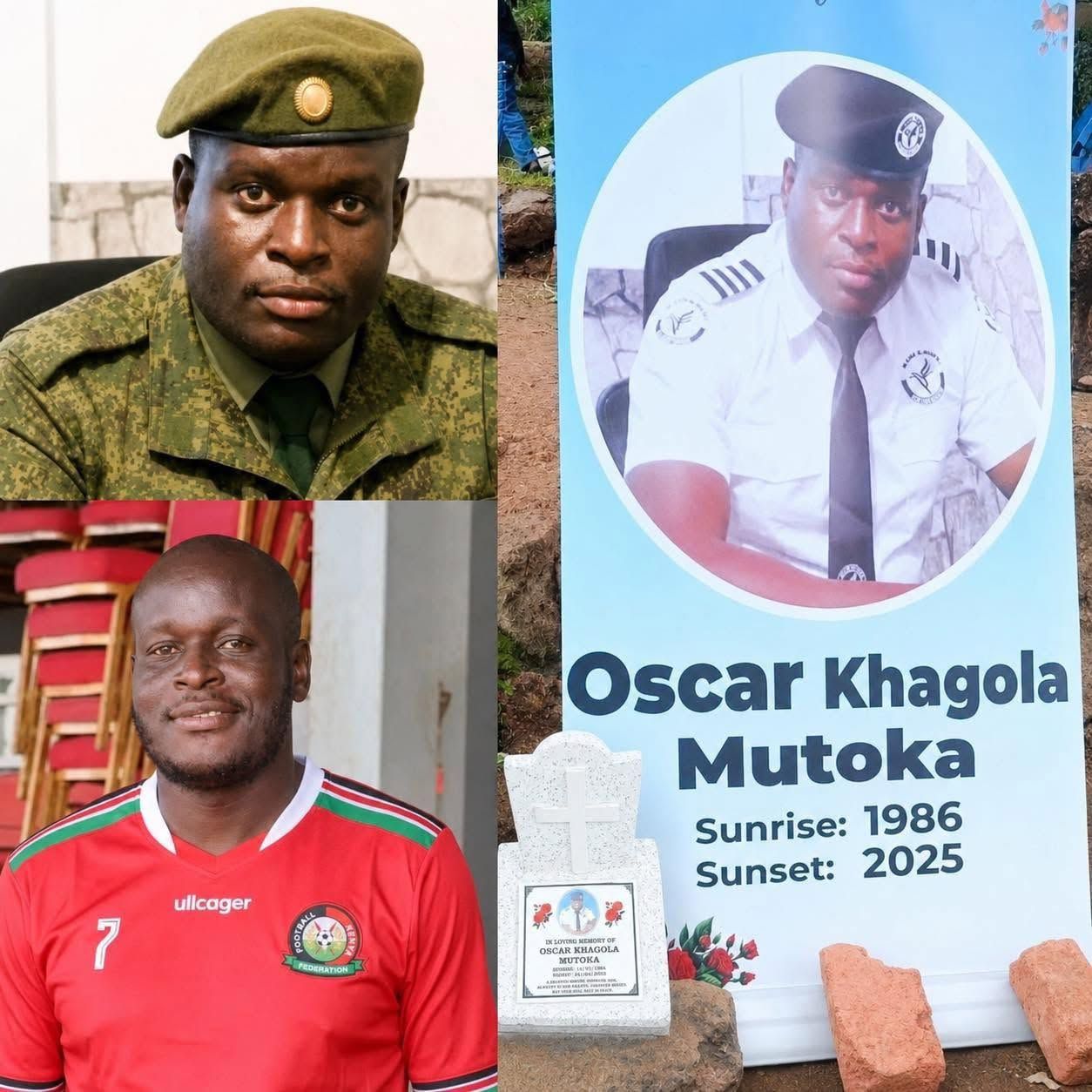
"We pleaded with the government to help us repatriate the body, but we did not receive any assistance. We also sought help from the embassy, but nothing came of it. I had no other choice but to conduct a symbolic burial," Mutoka said.
He has received no compensation from Russia, and has not been formally informed of any compensation arrangements.
The Numbers
Diaspora Affairs Principal Secretary Roseline Njogu reported in July 2026 that 289 Kenyans have been recruited into Russia's military, with at least 69 either confirmed dead or missing in action. The government's June 25, 2026 announcement put the verified enlistment figure at 308. As of that date, 19 Kenyans had been confirmed dead and 32 were formally classified as Missing in Action.
What Russia Does With the Bodies
The I Want to Live project, which tracks foreign nationals in Russia's armed forces, has identified 2,984 African nationals from 40 countries who signed contracts with Russia's military, of whom 485 have been confirmed killed. Among them are 59 Kenyans - a figure the project describes as a verified minimum, warning the real toll is likely higher.
The project's report describes what happens when African recruits die: "Bodies are typically logged as missing rather than confirmed dead. In cases where remains are recovered, they are cremated or buried in Russia. Families are not notified. Repatriation is not arranged."
It also states that African recruits are systematically assigned to frontal assault operations with minimal survival rates, and that when they are killed, "their deaths cause no political pressure inside Russia. There is no public grief, no media coverage, no domestic accountability."
For families like Barasa's, Gathoni's and Mutoka's, that dynamic has a concrete meaning: they are left to send monthly emails, raise children alone and bury empty coffins while waiting for answers that governments on both sides have not provided.
Chance to Get Out Alive
People who were lured into Russia's army have a chance to avoid the sad fate of this report's subjects through the "I Want to Live" project. Read more details here.
Source: The Standard