October 30, 2026
Kenyan Promised a Shopkeeping Job in Russia Says Most of the Men He Joined Died on the Front Line
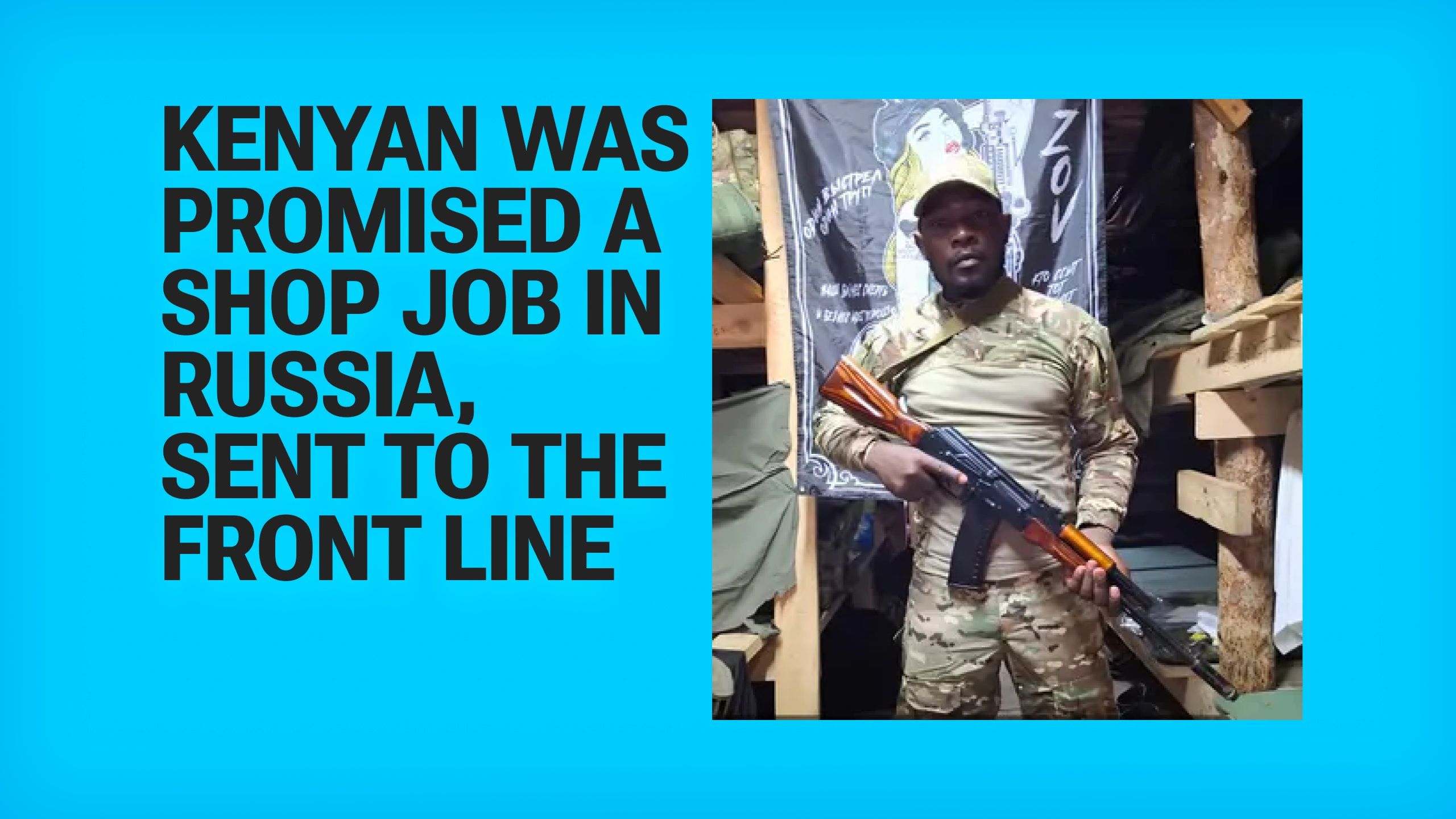
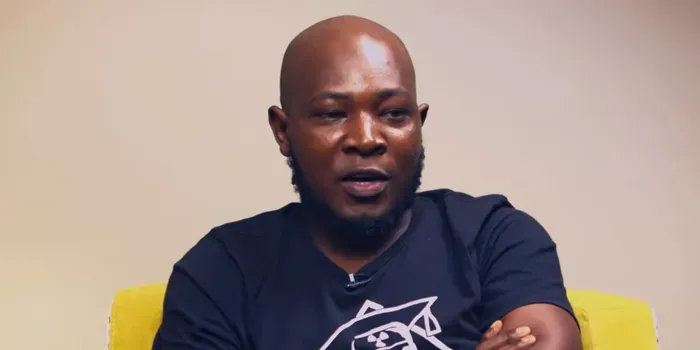
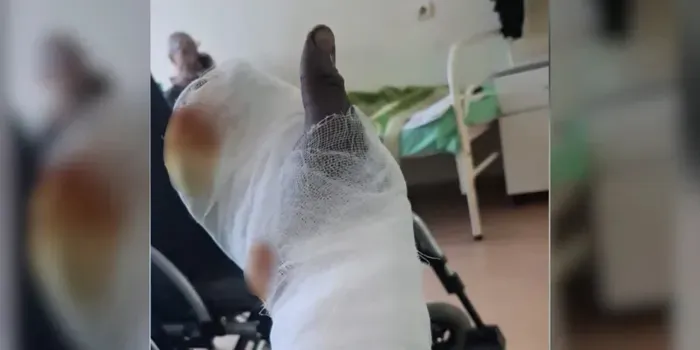
Vincent Odhiambo, a shopkeeper from Nairobi told on Kenyan TV that he travelled to Russia in July 2025 for a shopkeeping job and was instead made a soldier, given about a week of training and sent to fight in Ukraine. Kenyans.co.ke reported his account on October 29, 2026. He says he watched fellow Kenyan recruits die, and he was badly wounded in the right hand.
A Job Offer With No Registration Fee
Odhiambo says he began looking for work abroad in May 2025. He and a friend visited several international job agencies but were put off when they were asked for about $230 in registration fees. They soon met a man who promised them jobs in Russia with no fees. Odhiambo told Okwara that the man said the governments of Kenya and Russia were working together and would pay for the visa and the ticket.
On July 13, 2025, Odhiambo and five other Kenyans flew to Russia. They had been promised shopkeeping jobs paying 240,000 to 320,000 rubles a month, which is about $2,960 to $4,010.
Told They Were Soldiers
Odhiambo says that when the group arrived in Moscow, their passports were taken and they were told to open bank accounts. They were made to sign documents in Russian, and when they asked to use the internet to translate them, they were refused. He says the papers included a standing order that later left his bank account empty.
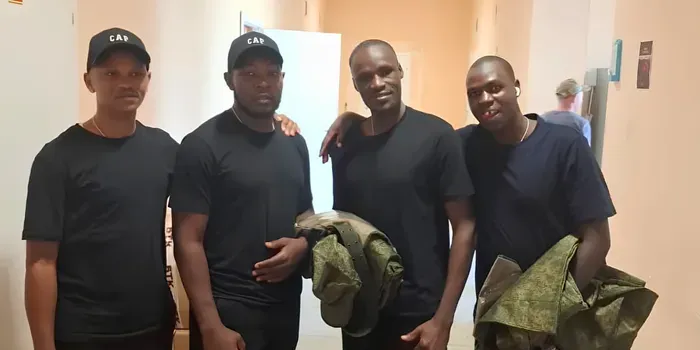
The men were then driven to a military camp about three hours from St Petersburg, where they were told they were now soldiers. Odhiambo says he refused to sign a military contract and asked to go home, and was told he would have to pay 3.4 million rubles, about $42,500, for the journey back to Kenya. He says he was also told that the people who sent him had been paid to bring him there.
A Week of Training, Then the Crossing
Odhiambo says he was next taken to a camp called Kamenka, about 600 km from Moscow, where he saw soldiers who had lost limbs. He was given a military identification document and a service number and moved by train towards Rostov with other recruits. His training lasted about a week and was mostly about handling and firing a gun, at around 160 rounds a day. On the fifth day the recruits were allowed to contact their families online for the first time since landing in Russia. He says it felt almost like a final farewell.
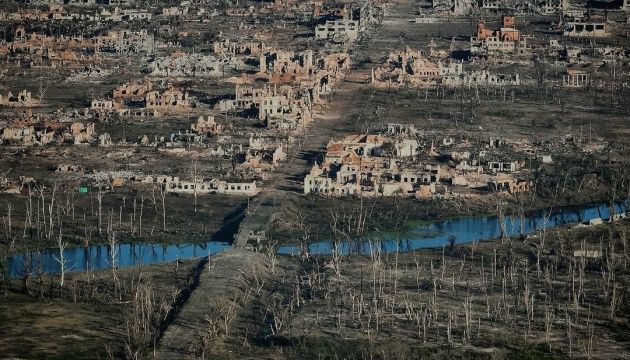
The group was then taken to Shebekino, near Russia's border with Ukraine, and on towards the front line at Vovchansk, about 5 km from the border. To reach it, Odhiambo and 27 other men had to cross open fields, an area he put at 4 to 6 square kilometres. "That group that I was with, everybody died," he said. Many were hit by drones and gunfire in the open.
Hiding Under Dead Bodies
While trying to escape, Odhiambo dropped his gun and other equipment to move faster and kept only his body armour. When a drone began to chase him, he says, he found a decomposing body and used it as cover. He survived the strike, but his right hand was badly injured. He lay still for about 30 minutes while drones circled, then dragged himself to the edge of a forest.
There he and another wounded survivor dug a trench and covered themselves with dead bodies to hide from drones that detect heat. The other man, whose leg and hand were seriously injured, bandaged Odhiambo's hand. A man who looked at the injury the next morning called it normal and said he could still pull a trigger.
Odhiambo says two Kenyans from his group died that day, including a man named Eric whom he says was shot by a sniper. At one point, he recalls, only three Kenyans were left, himself included. One had lost a leg, and another ran around in confusion and died after stepping on a landmine. Odhiambo himself was also shot in the thigh, by a Russian soldier after he relieved himself without saving the urine in a water bottle. He says soldiers treated urine as a source of drinking water. Odhiambo's condition then got worse, and his injured right hand began to rot.
Fifteen Days Back, Then a Moscow Hospital
A Russian man who found him learned that most of the men Odhiambo had joined were dead, and helped him leave the front line. They travelled for 15 days with a younger companion who carried a walkie-talkie. The younger man, who was walking ahead, was hit by a drone. Odhiambo was eventually taken to a hospital in Moscow. According to Kenyans.co.ke, the injury to his hand has continued to trouble him and he still needs surgery.
An Empty Account and an Escape to the Embassy
In hospital, Odhiambo got his phone back and found that his pay and bonuses had been withdrawn from his account. He says he was told that the people who had set up the account for the group had withdrawn the money, and that perhaps his family had. Hospital staff then told him he would be sent back to the front in September 2025, and he began looking for a way out.
Without a passport, he tried for about three days to reach the Kenyan embassy in Moscow by phone before getting through. He then got permission from someone at the military hospital to leave for three hours to visit the embassy, and once he was there he refused to go back. He managed to get back home with the help of the embassy.
Kenya's National Intelligence Service believes more than 1,000 Kenyans have been drawn into the fighting, Kenyans.co.ke adds.
A Safe Way Out
Kenyans and other foreign nationals lured into Russia's armed forces have an option to safely escape the battlefield with Ukraine's "I Want to Live" project. See our FAQ for recommendations for victims of Russian military recruitment and their families.