September 26, 2026
A Kazakhstani Took a Factory Job in Russia and Ended Up in a Convoy to the Frontline
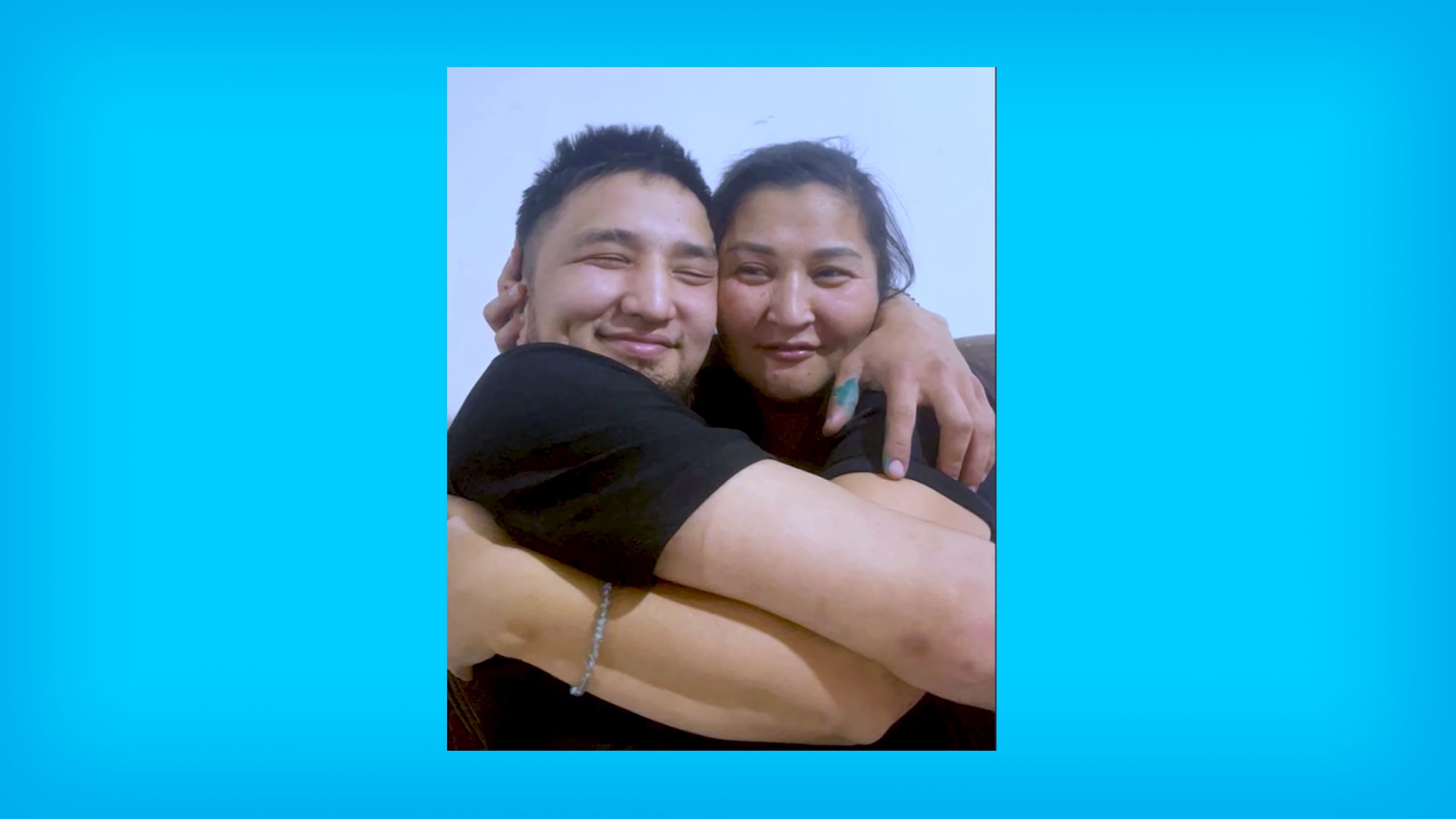
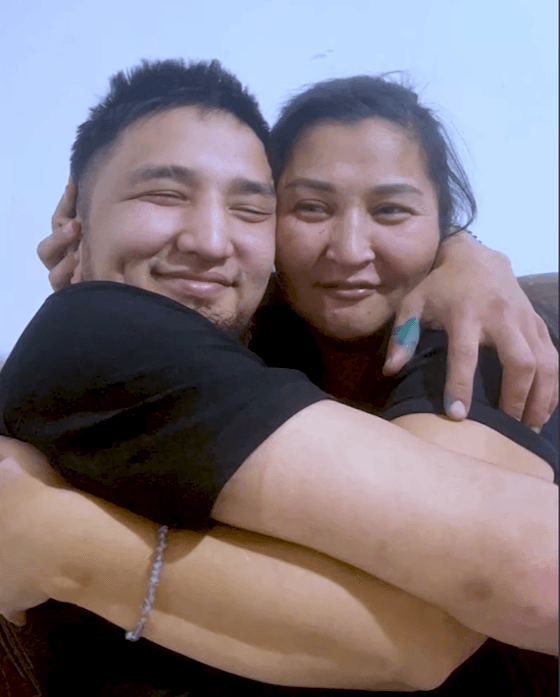
Miras Tasharganov, a 25-year-old from Astana, left Kazakhstan for shift work in Russia this summer and ended up signing a one-year contract with Russia's Ministry of Defense, according to his mother, Gulzhan Tasharganova, in an account published by Radio Azattyk, the Kazakh service of Radio Free Europe/Radio Liberty. She is now petitioning Kazakhstan's government to bring him home before he's sent to fight in Ukraine.
A Packing Job That Became Slaughterhouse Work
Tasharganova raises nine children alone on state benefits and alimony after a divorce, and says her oldest son found a job listing on the classifieds site OLX promising 90,000 rubles a month - about 480,000 tenge, just over $1,000 - to work in Russia. He told her only that he was going for shift work and would help pay off the family's debts; she didn't know at the time that Russia's war in Ukraine could touch her own family. He left for Russia on August 20, 2026. He'd been promised work as a packer at a meat-processing plant in Kursk; on arrival, he was assigned instead to slaughter livestock. Within a week he was calling his mother in tears, saying he was constantly hungry - the plant mainly served pork, which he doesn't eat - and that Uzbek, Kyrgyz, and Kazakh migrants like him made up much of the workforce there.
From the Meat Plant to a Military Contract
After Tasharganov and several other migrants complained about the conditions, they were taken from the plant to a military enlistment office and then to a training camp. He told his mother that at a selection point in Smolensk, they underwent medical exams and were questioned; one man in the group recognized what was happening and left before continuing, but the rest, including Tasharganov, did not.
You get handed a contract, they put a gun to your head and tell you to sign, that's it. You don't even get to look at it or read it. They didn't even ask us - whether we wanted to or not.
That's how Tasharganova relayed her son's account of signing. The document he was given, which he photographed and sent her, certifies that Kazakh citizen Miras Tasharganov signed a one-year military service contract with Russia's armed forces effective September 12; he never received the actual contract itself, only this certificate.
Two Weeks of Training, Then a Convoy to the Border
Tasharganova says her son underwent two weeks of military training before being moved to Voronezh. He told her he would likely be used as an assault infantryman. On the evening of September 22, he briefly reached her by video call to say he was riding in a military vehicle with others from his unit toward the border with Ukraine.
I'll try to stay in touch. I'm sorry I'm not there. I'm sorry I can't hug you. I love you all, I'm hugging and kissing you all. Whatever happens, stay strong. Forgive me for being the kind of person I am. I sincerely repent, I do. I'll carry this sin on my soul. But understand - I love you.
A Mother's Appeal
For the past two weeks, Tasharganova has been petitioning Kazakhstan's foreign ministry, prosecutor general's office, and police to get her son home. The foreign ministry told her it had sent an inquiry to the Russian side and gave no further information; Radio Azattyk's own request to the ministry had not been answered at the time of publication.
There's no precise count of how many Kazakhstanis have been recruited into Russia's armed forces. Ukraine's "I Want to Live" project estimates that at least 2,389 Kazakh citizens have signed contracts with Russia's defense ministry, and that more than 12,000 Central Asian citizens in total may have joined its ranks. Human rights advocates who assist migrants in Russia told Azattyk that once a contract is signed, there is generally no way back - people are sent to the front, and those who escape after being wounded and treated in hospitals are often prosecuted at home for mercenarism, typically receiving three-to-six-year sentences. Radio Azattyk reported one rare exception: Uzbek citizen Akbar Kurbonov, 23, said he was tricked into a contract, beaten, and sent to Luhansk region, and was returned home in early 2026 after his mother's campaign and diplomatic intervention from Uzbekistan - one of the only documented cases of a labor migrant being pulled back from the front through his home government's efforts.
See also: A 23-year-old Uzbek migrant worker named Diyorbek managed to escape Russia's army alive.
Denis Dzhivaga, director of the Kazakhstan International Bureau for Human Rights, told Azattyk that Russia is not currently a safe country to travel to, and that recruiters facing manpower shortages at the front increasingly resort to deception and coercion - in some cases threatening migrants with criminal charges and then offering a military contract as a way out.
If He - or Anyone Like Him - Reaches the Front
Kazakhstani migrant workers and other foreign nationals who find themselves pressured into Russia's armed forces, like Tasharganov, still have the option to leave the battlefield safely by surrendering to Ukrainian forces through Ukraine's "I Want to Live" project. Our FAQ on how to safely surrender to Ukrainian forces walks through the process.