August 1, 2026
Mvuyisi Mredlana From South Africa Died in Russia's War in March. His Family Found Out in June - and Couldn't Get the Body Home
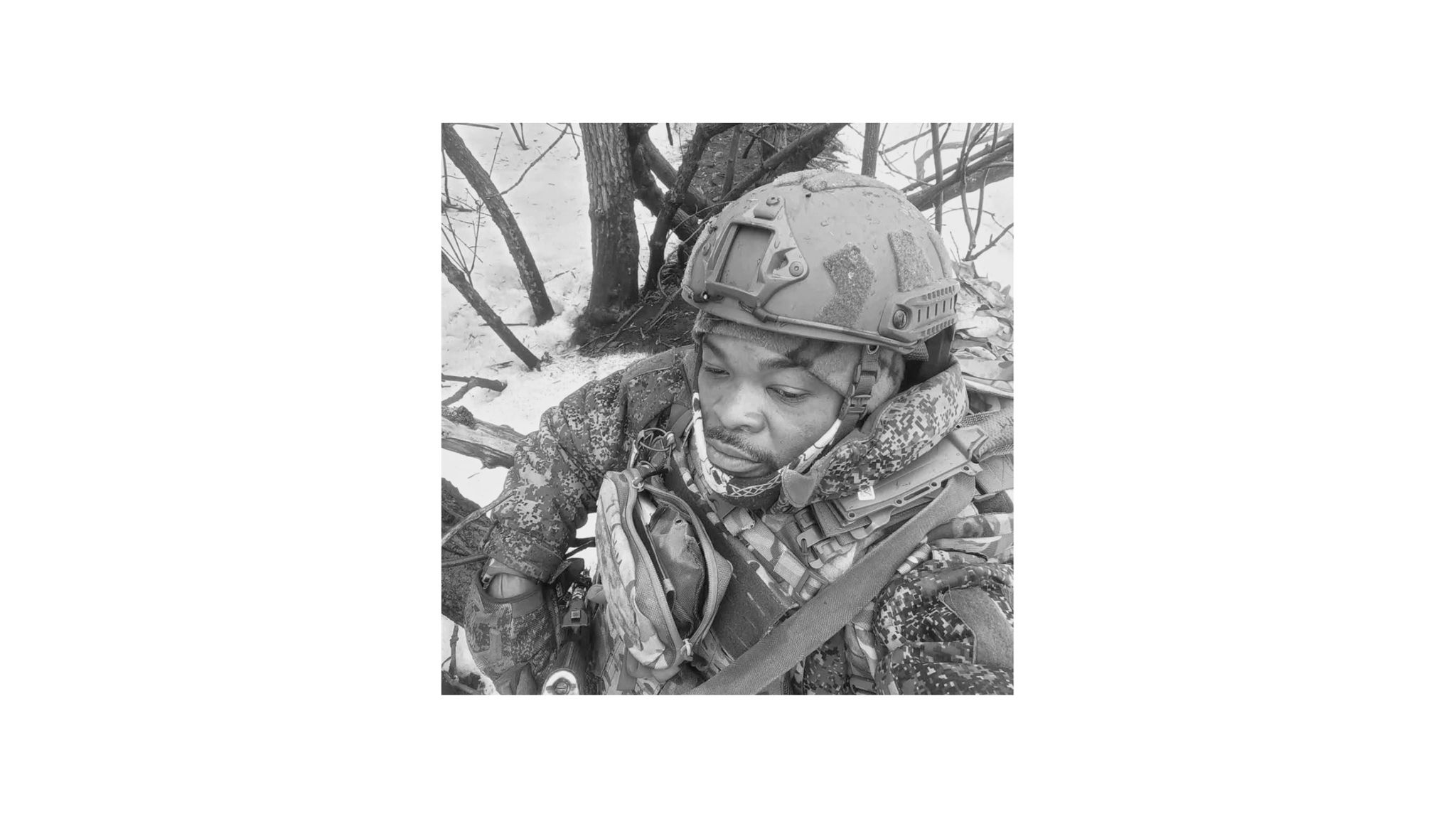
Mvuyisi Mredlana left Gauteng (a province in South Africa) on November 21, 2025. A friend based in Russia had told him there was a driver's job waiting. He was unemployed and raising five children. Before he left, he told his family they had nothing to worry about - he was not going into a conflict zone.
He died on March 13, 2026, in a Moscow hospital. A drone had struck him in the head. His family did not know he was dead until June.
What the Family Knew, and When
Direct contact with Mredlana stopped in January 2026, when he told his family he would be going for two months of training. They did not know he had been sent to fight. In February 2026, through the same friend who had recruited him, they were told he had been badly injured when a drone hit his head and was in intensive care. Further messages went unanswered.
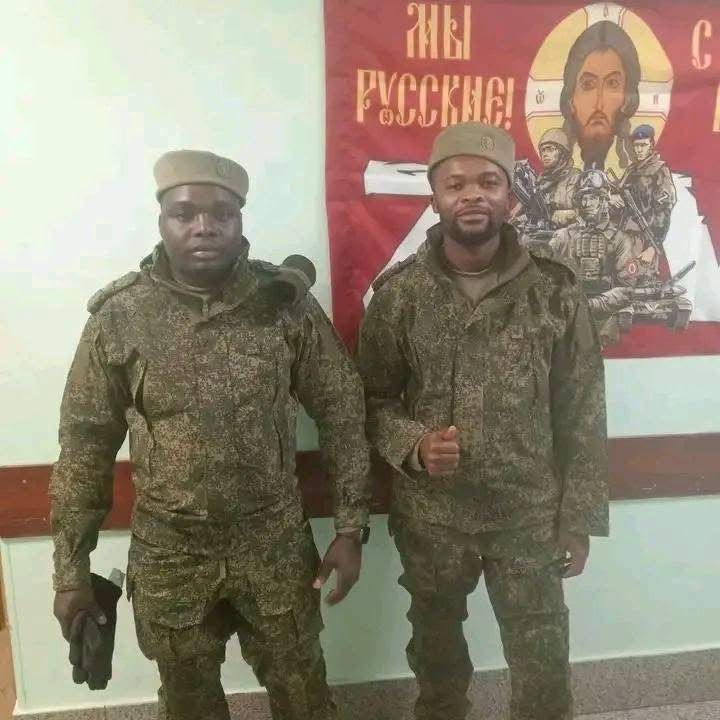
The family began making regular visits to the Russian embassy in South Africa. Each time, they were told the embassy had no information on him.
In June, after months of showing up, they received a letter dated June 11. It confirmed that Mredlana had died on March 13 after a "special military operation." His sister Aphelele Sineke spoke to Sowetan, the local media outlet:
"It is surreal that he is no more. Maybe I will believe it if we get his body home for a dignified burial. Right now I am sitting and hoping someone will say that they made a mistake, that he is still alive somewhere."
She described her brother as someone who had been unemployed for a long time and had tried repeatedly to find work.
"He would go to interviews and not really get employed. This was a way for him to get amandla okuvusa ikhaya - to take the family out of poverty. That is what he said to some of his acquaintances."
The Body They Cannot Bring Home
The Russian letter requested the family's consent to bury Mredlana in Russia. Repatriation by Russia was described as impossible.
The family then turned to the South African government. The answer was the same.
Clayson Monyela, South Africa's head of public diplomacy, told Sowetan that repatriating remains is the family's financial responsibility. "There is no budget from the government to repatriate citizens from other countries," he said. Government repatriation, he explained, only happens in exceptional cases - natural disasters, with cabinet approval, based on scale.
The family proposed a compromise: use whatever compensation Russia would provide to cover the cost of bringing the body home. That option was not provided either. Russia has offered to cremate Mredlana's remains. The family refuses. They want his body, not ashes, and not a grave in Russia.
To take the process forward, the family was told that Mredlana's mother would need to travel to Russia herself to complete DNA testing and obtain the necessary permissions for the remains to be transported. The family does not have the funds for that either.
The Pattern
This is not an isolated situation. Across the African countries where Russia has recruited, the inability to return the bodies of the dead has emerged as a consistent additional trauma inflicted on families. Desperate to return the remains of their loved ones home, families carry out funerals without bodies - so did families of Victor Mbugua Kinuthia and Oscar Kagola Mutoka from Kenya, Iván Valdivia, 28, and José María Soleto from Bolivia while others are still waiting and hoping.
The I Want to Live project published a list of 69 South Africans identified in Russia's forces - covered here. Ten are confirmed as killed in action. Mredlana does not appear on that list as KIA. But a man named Mredlana Mvuyisi, born August 25, 1990, with military tag SA-568490, appears in the same database with a contract date in December 2025 - consistent with the timeline of Mvuyisi Mredlana's departure. The name, age, and dates align closely enough to suggest this is the same person. If so, his death is not yet reflected in the list.
That raises a question that cannot be answered from the outside: among the other 59 South Africans on the list not currently marked as killed, how many are dead and simply not yet documented as such?
See also: The list of 485 Africans killed in Russia's army
He Was Promised a Driver's Job
Mredlana was not recruited through an anonymous online ad or a stranger's message. He was approached by someone he knew - a friend already in Russia - and told that a legitimate job was available. His family accepted his departure on that basis. They were told there was no conflict involved. There was.
The recruitment of South Africans into Russia's military has been confirmed at the highest levels: in February 2026, President Ramaphosa officially acknowledged that South Africans had been deceived and welcomed those who had returned home. Mredlana left in November 2025 and died in March 2026. Reports in media claimed that Ramaphosa secured the release of 17 South Africans from Russia's army but the real questions are whether the networks recruiting South Africans kept operating regardless and how many of them were left trapped inside Russia's predatory recruitment scheme.
A Safe Way Out
Those trapped by Russia's predatory recruitment system have a chance to make it out alive provided by the "I Want to Live" project - read more details here.
Source: Sowetan, Okavango News