September 17, 2026
A Briton Moved to Russia for Love - Now He's Missing in Action
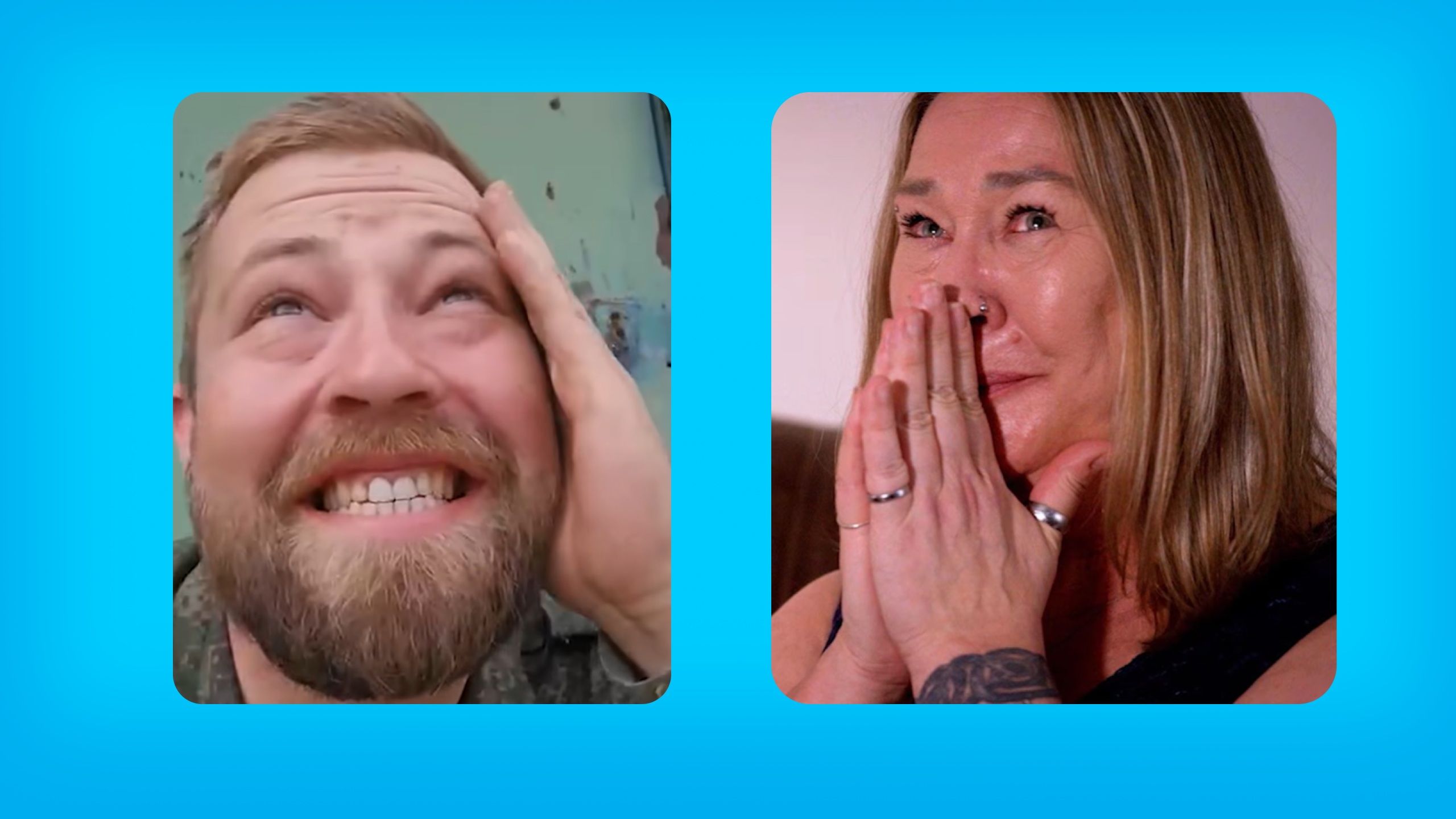
Nathan Stobbart, a 27-year-old electrician from Newcastle, moved to Russia in late 2024 to be with a woman he'd met online and married her in February 2025. That April, Russian authorities told him he'd be deported unless he signed a year-long army contract - he signed rather than leave her, and was deployed to Ukraine. Their son was born that October, and Nathan has been missing since December 12, 2025, according to a September 15 report by The Telegraph.
A Relationship, Then an Ultimatum
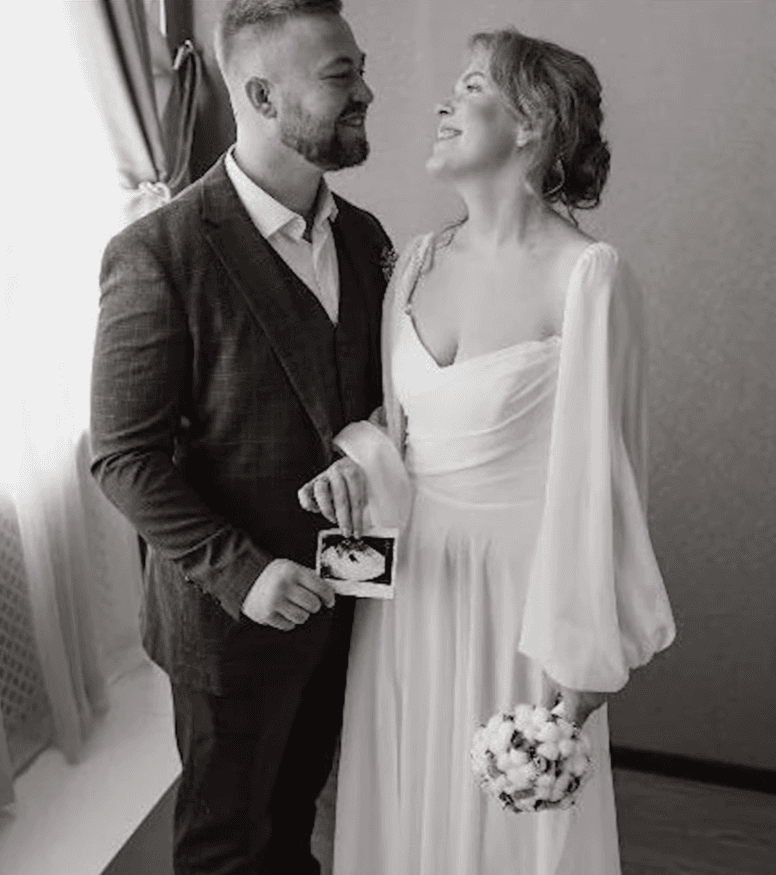
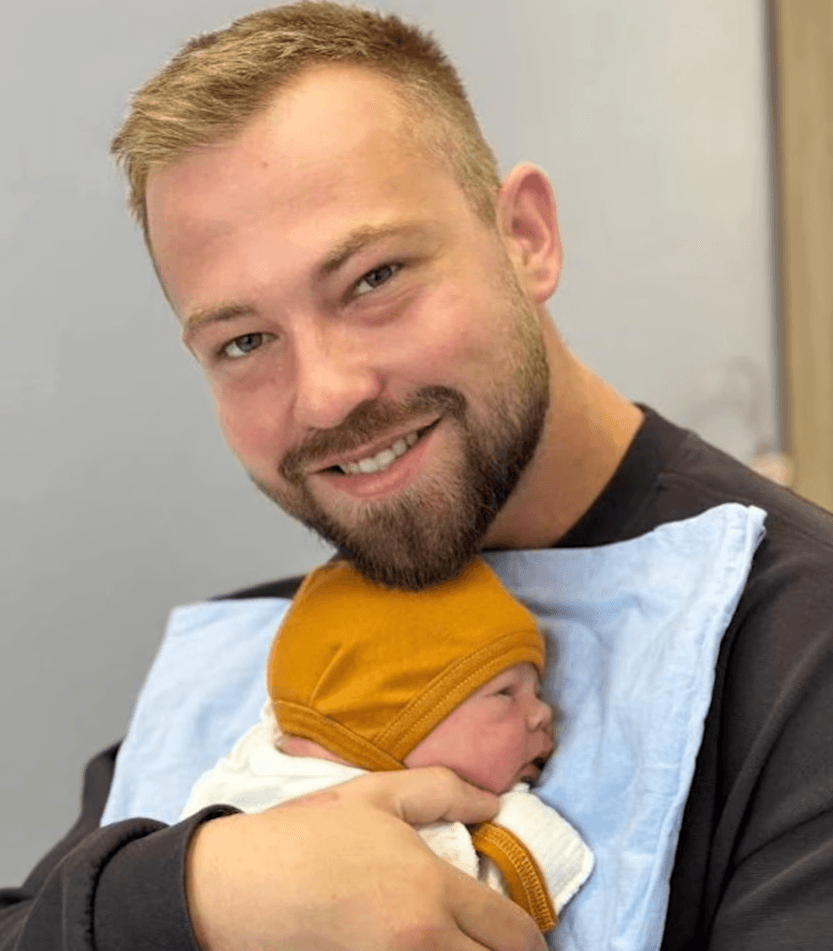
Nathan met Ksenia, a Russian widow with three children of her own, through an online game, and the two married in Russia after he relocated there permanently at the end of 2024. According to his mother, Valerie Stobbart, Nathan was working as an electrician and settling into village life outside St Petersburg when, in April 2025, Russian authorities refused to renew his visa after the marriage - telling him he could stay only if he signed a year's contract with the army, or be deported. He signed rather than leave Ksenia, who was pregnant at the time. Their son, Michael, was born on October 1, 2025. Nathan kept the army contract from his mother throughout, continuing to send her old photos of the newborn - ones Ksenia had already shared with Valerie weeks earlier - to hide the fact that he was no longer at home.
Missing Since December
Nathan's unit, later identified as the 33rd Guards Motor Rifle Regiment, was fighting in the Pokrovsk area - among the war's most intense urban combat, per the Telegraph - when he was last heard on a military radio on December 10, 2025. His unit declared him missing in action two days later. Ksenia learned of his disappearance around the same time and broke the news to Valerie by text on December 17, after having been "sworn to secrecy" by Nathan himself.
No Answers From Anyone
Valerie has since sought help from the Russian and Ukrainian embassies, the Red Cross, and the UK Foreign Office, without success; the Telegraph reported she was told repeatedly that Nathan's status was classified or unknown. Ukraine's "I Want to Find" service, a government-run tool for tracing missing Russian servicemen, told the Telegraph in June that Nathan had not been found among prisoners of war, bodies, or remains. Body-exchange DNA checks using samples from his son have so far turned up no match either.
A Mother's Search, and a Dismissal
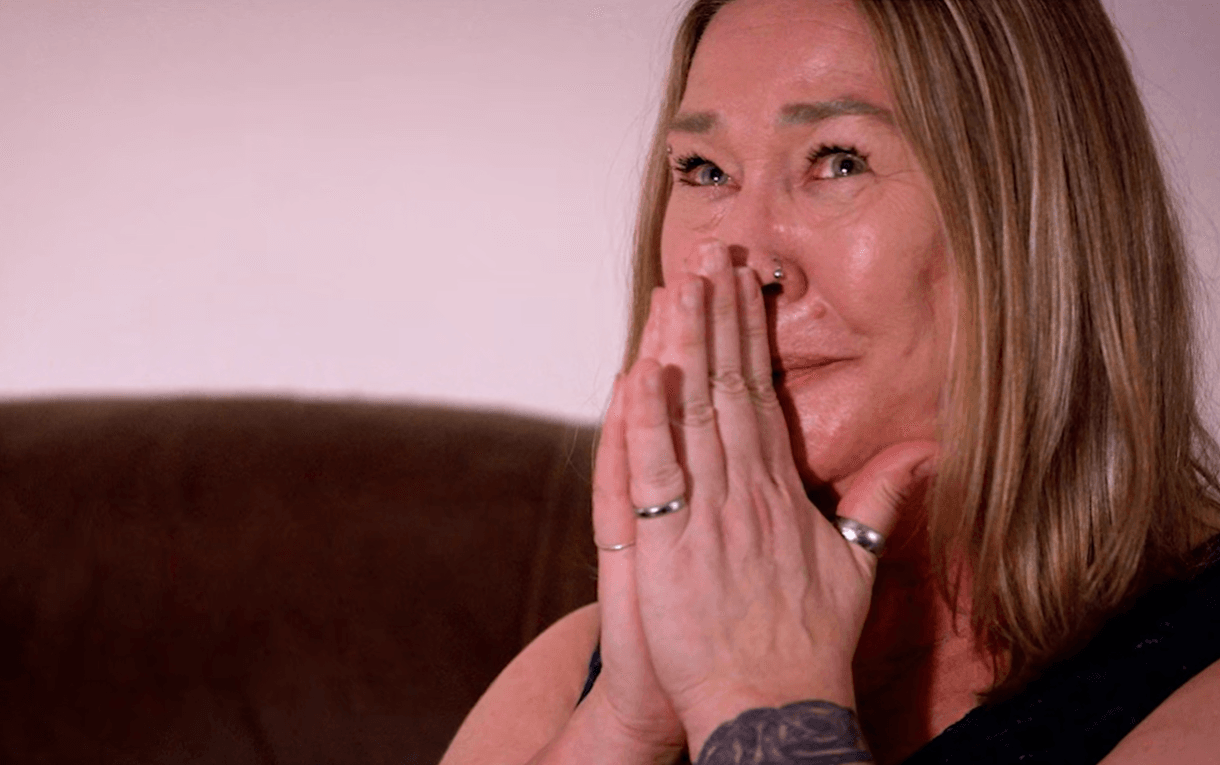
Valerie's search for her son led her to contact the Telegraph reporter who had covered a Ukrainian POW camp, hoping he might recognize Nathan among the foreign fighters held there. He hadn't seen him. She later went public with Nathan's story on social media and spoke to the Telegraph for its report - and, according to the paper, was subsequently dismissed from her job at the UK Home Office's immigration department for speaking to a journalist without notifying her employer, a decision she is fighting.
Part of a Pattern
Nathan's case fits a broader pattern of Russia targeting Britons through very different hooks. We previously reported on Bradley Townsend, who was killed fighting for Russia in Donetsk and confirmed by the UK's Foreign, Commonwealth and Development Office to be the first British citizen killed in the war, and on Michael Jones, a former British Army soldier living in Russia who appeared on Russian state television training to fly drones for Russia's 61st Marine Brigade. We also reported on Sovintern, a Kremlin-backed network that runs a political pipeline recruiting Western leftists - including Britons, through a British recruiter named Benjamin Stimson - and on Joshua Cammidge, a Swindon man charged under the UK's National Security Act over an alleged sabotage plot linked to the GRU Volunteer Corps. Where those cases involved ideology, propaganda, or alleged espionage, Nathan's shows the same recruitment machine can just as easily use a relationship and a visa threat.
Get Out Safely
Foreign nationals currently serving in Russia's armed forces have an option to safely escape the battlefield with Ukraine's "I Want to Live" project. Also see our FAQ on how to safely surrender to Ukrainian forces.
Source: The Telegraph