16 juin 2026
« Je n'avais besoin que d'un passeport » : Des prisonniers de guerre d'Asie centrale en Ukraine décrivent comment la pression administrative et les fausses promesses ont remplacé le choix
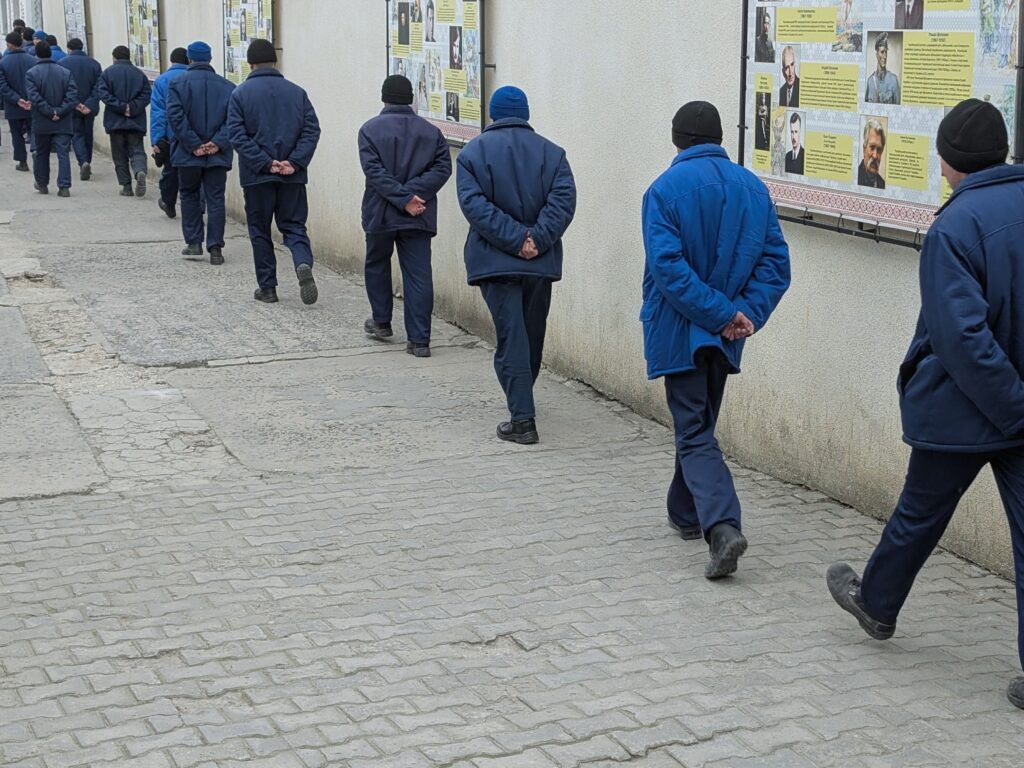
Novastan, un média spécialisé en Asie centrale publiant en français et en allemand, a obtenu un accès rare à des prisonniers de guerre d'Asie centrale détenus dans des centres de détention ukrainiens et a publié leurs témoignages le 15 juin 2026. Ces témoignages révèlent une dynamique de recrutement distincte de celle des cas africains - moins de tromperie flagrante, davantage l'élimination systématique des alternatives.
Les citoyens d'Asie centrale représentent désormais le groupe le plus important de ressortissants étrangers combattant dans les Forces armées russes. Selon les données publiées en avril 2026 par le Siège de coordination pour le traitement des prisonniers de guerre de l'Ukraine, plus de 12 000 soldats d'Asie centrale ont participé à la guerre de la Russie contre l'Ukraine - plus de la moitié de tous les soldats étrangers au service de la Russie. La répartition : 4 800 Ouzbeks, plus de 3 400 Tadjiks et 2 400 Kazakhs confirmés parmi les recrues.
À l'intérieur du camp
Dans la cour d'une prison militaire de la région de Lviv, dans l'ouest de l'Ukraine, les prisonniers se dirigent silencieusement vers le réfectoire. Certains sont détenus depuis quatre ans. Beaucoup ont des traits asiatiques. Les gardiens les décrivent comme calmes.
Trois prisonniers de guerre d'Asie centrale ont accepté de parler avec Novastan.
Khushbakht Peruzaliev, 47 ans - Tadjikistan
Peruzaliev a signé un contrat avec l'armée russe au printemps 2024. « On m'a dit que je n'aurais pas à aller au front ni rien de ce genre. On m'a dit que je ne ferais que travailler dans un entrepôt, donc j'ai accepté. » En quelques semaines, il a été déployé lors d'une attaque frontale dans l'oblast de Donetsk, où il a été blessé et capturé. « La moitié du groupe a été tué immédiatement - tous les 200 », a-t-il dit, utilisant le code militaire russe pour la mort.
Son chemin vers le contrat a suivi l'attaque de la Crocus City Hall en mars 2024, après laquelle les raids contre les migrants tadjiks se sont intensifiés considérablement en Russie. Peruzaliev travaillait sur un chantier de construction à Moscou. Il a abandonné ses plans de renouvellement de passeport par crainte d'une arrestation en route vers l'ambassade. Quand les forces de police spéciales ont inspecté son chantier, on lui a proposé un marché : la citoyenneté en échange de son adhésion à l'armée.
Ilyas, 40 ans - Kirghizistan
Ilyas vivait à Moscou depuis 2007, travaillant comme détaillant de boissons. Il a signé en avril 2025. « Pendant le processus d'embauche, on ne m'a pas directement promis la citoyenneté, mais je savais que j'aurais la possibilité de l'obtenir après. » Déployé après un entraînement minimal, il se dirigeait vers un village quand les drones ont commencé à cibler son unité. Il a à peine échappé avant d'être fait prisonnier. Malgré des années en Russie et une épouse russe, il n'avait auparavant pas réussi à obtenir la citoyenneté par les canaux normaux : « J'ai soumis tous les documents il y a longtemps, mais cela a été refusé. »
Jasur Islamov, 38 ans - Ouzbékistan
Islamov a servi pendant dix-huit mois, dont seulement deux ont été rémunérés. En mars 2025, après un an et demi, on lui a promis la citoyenneté s'il continuait à servir. Quelques semaines plus tard, une frappe de drone l'a blessé et il a été capturé. « Je n'ai même pas reçu d'argent du contrat. » Quand on lui a demandé de justifier sa décision, il a protesté : « Vous parlez comme si j'avais spécifiquement signé pour tuer des gens… Je n'avais besoin que d'un endroit où vivre, d'un passeport, de travailler et de nourrir ma famille. » Après une pause : « Je ne dis pas que nous avons pris la bonne décision. Tout le monde fait des erreurs. Tout le monde. »
Le piège structurel
Caress Schenck, professeure de science politique à l'Université Nazarbayev à Astana, fournit le cadre analytique : la pression administrative sur les migrants d'Asie centrale en Russie « réduit leur capacité à agir et à prendre leurs propres décisions, plutôt que de leur offrir un vrai choix. » Depuis novembre 2025, certains étrangers en Russie sont tenus de présenter un contrat d'engagement militaire pour obtenir la citoyenneté russe ou un permis de résidence - une politique qui affecte de manière disproportionnée les migrants d'Asie centrale, qui représentent plus de 40 % des migrants vivant en Russie.
Le décret de Poutine de janvier 2024 a rendu la dynamique explicite : certains étrangers pouvaient obtenir la citoyenneté russe en servant dans les forces armées pendant l'« opération militaire spéciale ». Pour les personnes dont les demandes de passeport avaient été refusées pendant des années, qui craignaient l'expulsion et dont le statut juridique était devenu précaire après la répression suite à l'attaque de la Crocus City Hall, ce n'était pas une offre faite dans le vide.
« Les politiques de contrôle migratoire, les raids et la pression pour rejoindre l'armée sont encore fortement influencés par l'actualité », note Schenck. « Parfois, n'importe qui ayant des traits asiatiques peut être perçu comme suspect. »
Le facteur idéologique
Contrairement à de nombreuses recrues africaines qui ont été trompées sur la nature de leur travail, les prisonniers de guerre d'Asie centrale avec qui Novastan a parlé disent qu'ils ont signé consciemment - motivés par le désir d'obtenir la citoyenneté russe et l'attrait de l'affinité culturelle de l'époque soviétique. « Quant à moi, je voulais vivre en Russie. Je considérais que j'avais le droit d'obtenir la citoyenneté, donc pour l'obtenir, je devais servir la patrie », a déclaré Islamov.
Aucun des trois n'a tenté de se rendre délibérément - un contraste avec certains prisonniers de guerre africains. Ceci, selon le Siège de coordination de l'Ukraine, peut refléter le fait que de nombreuses recrues d'Asie centrale sont russophones, nées dans les années 1970 et 1980 sous l'Union soviétique.
Les trois ont exprimé le désir de retourner en Russie et ont espéré être inclus dans un échange de prisonniers. Sur les 7 000 soldats russes déjà échangés, ceux d'Asie centrale restent une petite minorité.
L'Ukraine a déclaré qu'elle n'avait pas d'objection aux échanges impliquant des ressortissants d'Asie centrale - mais la Russie n'a montré aucun intérêt à les demander.
« Pourriez-vous imaginer que j'ai risqué ma vie pour obtenir la citoyenneté, et ils m'enverraient dans mon pays, alors que je n'ai rien là-bas ? Ce serait une énorme trahison », a déclaré Islamov.
La Russie l'a déjà trahi une fois. Il a signé. Il a combattu. Il a été blessé. Il n'a pas été payé. Il n'a pas été échangé. Et la citoyenneté qu'on lui avait promise n'est pas arrivée.
StopRussianRecruiters.org rappelle : si vous ou un parent avez été arnaqué et enrôlé dans le service militaire en Russie, le gouvernement ukrainien offre une issue sûre. N'attendez pas qu'il soit trop tard - agissez maintenant.
Source : Novastan.org