July 28, 2026
Russia Has Built a Military Recruitment Pipeline Across Latin America. A New Lansing Institute Report Breaks It Down.
A new analysis by the Lansing Institute published July 27, 2026 documents how Russia has constructed a recruitment network spanning Latin America - drawing citizens of Cuba, Colombia, Bolivia, Peru, and Panama into its military through a combination of direct enlistment and deceptive civilian job offers.
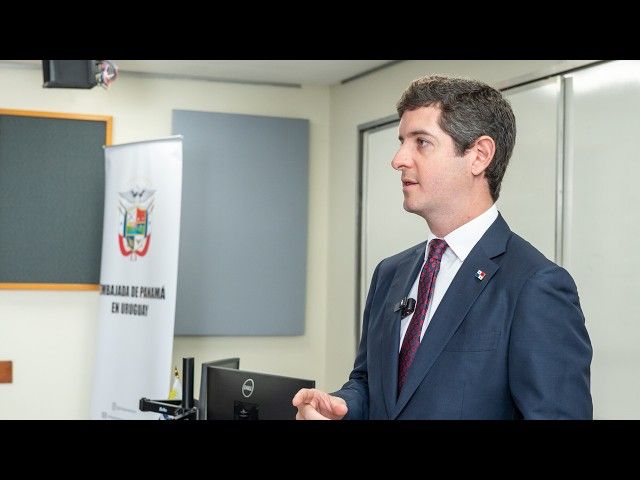
The trigger for the report is Panama's foreign ministry confirming that at least 15 of its nationals have been drawn into Russia's military pipeline since 2025. At least one is dead. Several are missing. According to Panama's acting foreign minister Carlos Hoyos, recruiters misled citizens into believing they were signing up for private security or construction work with no connection to the war. Russia's Foreign Ministry, asked for information, said all foreign nationals in its armed forces signed contracts voluntarily.
How the Pipeline Operates
The Lansing Institute identifies a consistent recruitment pathway across the region. A candidate - typically an economically vulnerable young man - is approached with an overseas job offer: construction, security, cooking, heavy machinery, factory work. He travels internationally, often through multiple transit countries, before arriving in Russia. Once inside the country, the civilian arrangement transitions into a military contract.
The financial terms make the offer compelling. In Panama, one documented case from Chiriquí involved a plastic furniture factory pitch offering up to $3,000 per month and a $10,000 initial bonus. For candidates who understood from the outset they were joining the military, the reported terms are higher: a three-year contract with a $20,000 signing bonus and $2,500 to $3,000 per month.
Travel routes are structured to obscure the destination. One documented Panama itinerary ran: Panama - Colombia - France - Turkey - Russia. That kind of multi-stage journey is difficult to flag as military enlistment at the border. Panama's vice foreign minister says authorities face real difficulty tracking recruits because of it.
Once in Russia, recruits are processed into military contracting structures, undergo accelerated training, and are deployed. The Lansing Institute notes that the acquisition of candidates is substantially outsourced to local intermediaries and social-media recruiters rather than managed directly by Russian state structures - a design that gives Moscow deniability when deceptive recruitment cases become public.
Cuba, Colombia, Bolivia, Peru - and Now Panama
Cuba is documented as Russia's principal Latin American source of foreign recruits. Russia targets Cuban citizens with salaries well above domestic earning potential and a pathway to Russian citizenship. Some Cubans knowingly enlist; others have reported responding to civilian job advertisements and discovering the military nature only after travelling.
Colombia provides a different supply. It has one of the largest pools of combat-experienced veterans in the region. Recruitment operates heavily through personal referrals and social media - one Colombian serving with Russian forces told El País he found the opportunity through TikTok after a friend had already made the same journey.
Bolivia is the clearest case of a local recruitment cell being dismantled. Authorities there have arrested three people linked to an alleged network. Prosecutors are investigating at least 16 victims; reporting indicates 26 Bolivians have entered Russian service. Recruits were allegedly offered false civilian employment and pressured to sign Russian-language contracts they could not read. Travel reportedly passed through Brazil and Turkey. The Russian Embassy has denied any connection to the network.
Peru has also opened investigations into similar cases.
Panama is the latest addition. The cases identified by La Prensa are concentrated in Chiriquí, Coclé, and Veraguas, with several from around David. The network appears to operate through personal and social-media intermediaries rather than any visible Russian office in Panama - meaning once a first group of Panamanians successfully reaches Russia, their own contacts can validate the opportunity to others.
The Central Question
The Lansing Institute identifies the same intelligence gap across all these cases: who sits in the middle of the chain? Who advertises the jobs locally, arranges travel, and connects candidates to Russian military structures after arrival? Identifying that intermediary layer - rather than focusing only on the Russian military end that receives recruits - is where investigations in Bolivia, Peru, and Panama need to go.
Panama's foreign ministry is attempting to trace its missing nationals through diplomatic channels. Families have reported difficulty obtaining any information about what happened.
For any foreign national already serving in Russia's military and looking for a way out, Ukraine's "I Want to Live" programme provides a safe route. Find out more here.