July 29, 2026
A Chilean Took a Security Job in Russia. The Last News His Family Received: He Was Beaten and Held for 10 Days.
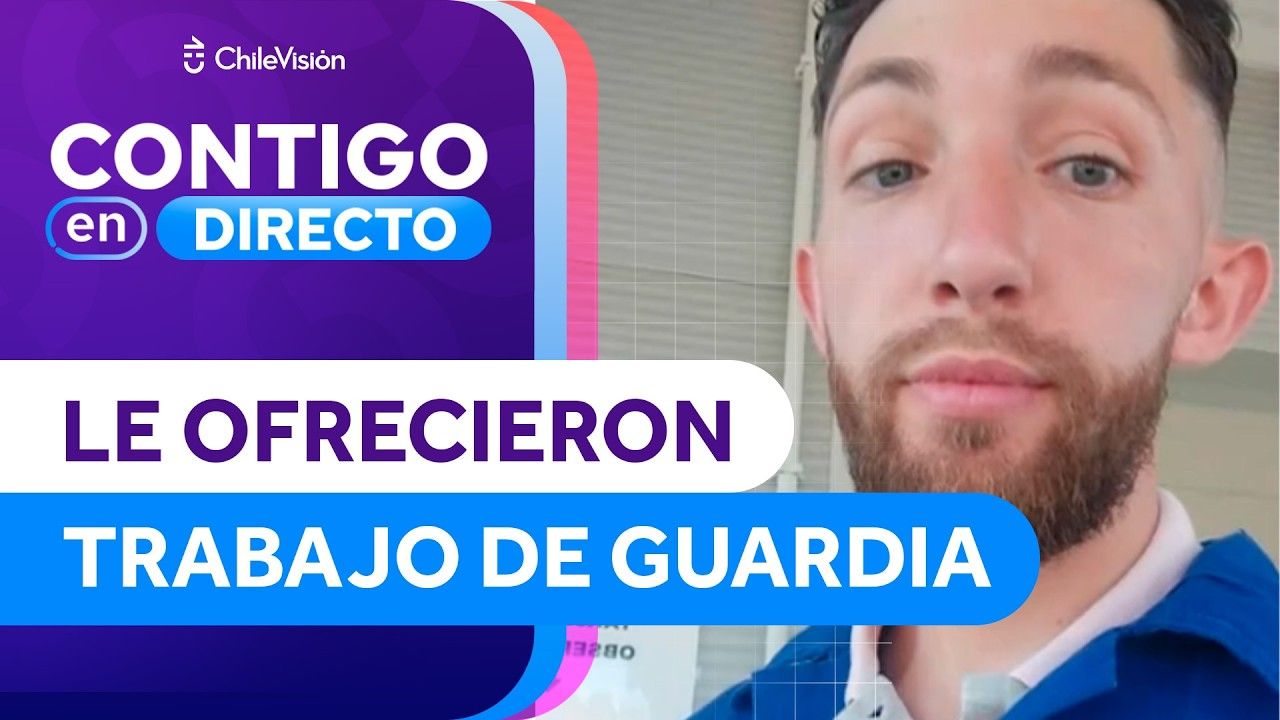
In late April, Rodolfo, a 30-year-old Chilean living in Argentina, received a job offer as a security guard in Russia with a salary of approximately 40 million Chilean pesos (~$40,000 USD), with additional monthly payments of around 3,000 to 4,000 USD after an initial period. He travelled to Santiago, obtained a passport and Russian visa - both processed unusually quickly, his family says - and flew to Istanbul, then Moscow.
On arrival, a person described as a "lawyer" was waiting for him. Rodolfo and the others with him were made to sign a contract written in Russian. He is now in Russia's military. His family has not been able to contact him directly for weeks. The last information they received came indirectly - relayed through a Cuban man also in the same situation - and described conditions as bad, with Rodolfo reportedly saying he had been beaten and held for ten days and did not know what to do. The family has not been able to verify this independently.
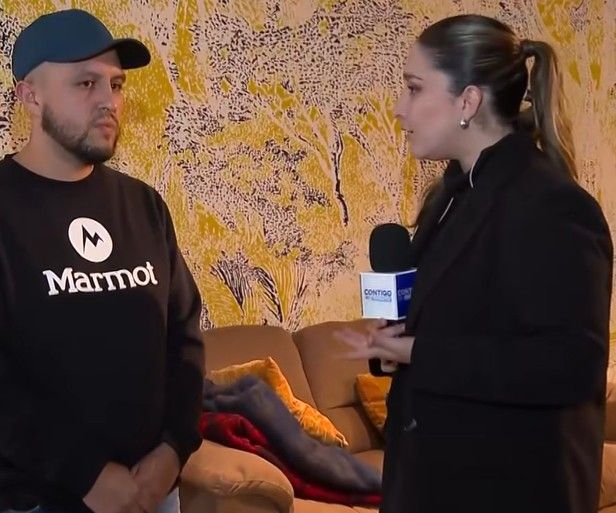
His brother Juan Ignacio Chico gave an account of the case to Chilevisión.
The Recruitment
Rodolfo received the offer while in Argentina and travelled to Chile to arrange travel documents. The speed with which his passport and Russian visa were processed struck his family as suspicious - documents that typically take weeks were ready within days. His brother described this as one of the clearest signs that an organised network was operating behind the scenes.
He entered Russia presenting himself as having an employment offer. On arrival, the supposed lawyer was at the office to handle the contract. The documents were in Russian. Rodolfo signed. His passport and visa were then retained by the military. He was told to wait at the barracks for 15 days to receive the first payment - described as half the amount initially promised.
After those 15 days, direct contact stopped.
The "Lawyer"
The person who met Rodolfo in Russia and facilitated the signing has not responded to calls from the family. According to Juan Ignacio, there is evidence this individual charges families money in exchange for information about their relatives, claiming he needs to carry out bureaucratic procedures with embassies or government offices to obtain it - something the family describes as a fraud.
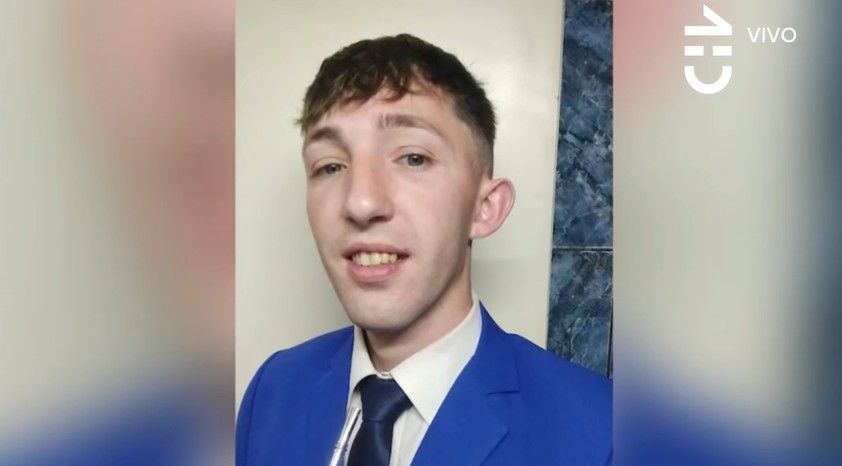
When Chilevisión contacted the person, he offered a different account: he claimed he was simply in an office, that Rodolfo and the others overheard him speaking Spanish on the phone and approached him for help, and that contact details were exchanged from there. The family's version is the opposite - that he actively recruited them.
Connected to Panama
Rodolfo was not alone. During a video call with his brother before contact was lost, he was with Víctor, a young Panamanian man who, according to Chilevisión, had already appeared in multiple media reports on Russian military recruitment. The two men had exchanged their families' contact details so that whoever could reach the outside first could update the other's family.
It was through Víctor's mother that Juan Ignacio received the last known information about his brother. A Cuban man also present with them passed on messages from Rodolfo: that things were bad, that he had been beaten, and that he had been held in confinement for ten days.
Juan Ignacio told Chilevisión his family had contacted Chile's foreign ministry - so far without a response.
Argentina Arrests
Two people have been arrested in Argentina in connection with the trafficking of individuals into Russian military service, according to Juan Ignacio. He said those arrested are understood to be directly involved in the recruitment operation - the same network that brought his brother into the pipeline.
The route Rodolfo followed - Argentina, then Chile for documents, then Istanbul, then Russia - and the speed with which travel papers were arranged both point to a network with operational infrastructure, not an opportunistic individual acting alone.
The Pattern
What happened to Rodolfo follows the same structure documented across Latin America, Africa, and Central Asia. A job offer - security, construction, logistics - reaches someone looking for an opportunity abroad. Travel is arranged. On arrival in Russia, the civilian contract becomes a military one. Documents are in Russian. Passports are taken. Refusing is not straightforward. Monthly payments arrive later, if at all.
Anyone currently inside Russia's military system can take a safe way out with the "I Want to Live" project. Read more details here.
Source: Chilevision