May 20, 2026
Promised Drone Training, Sent to Die in Three Months: Russia's Universities Are Now Military Recruitment Offices
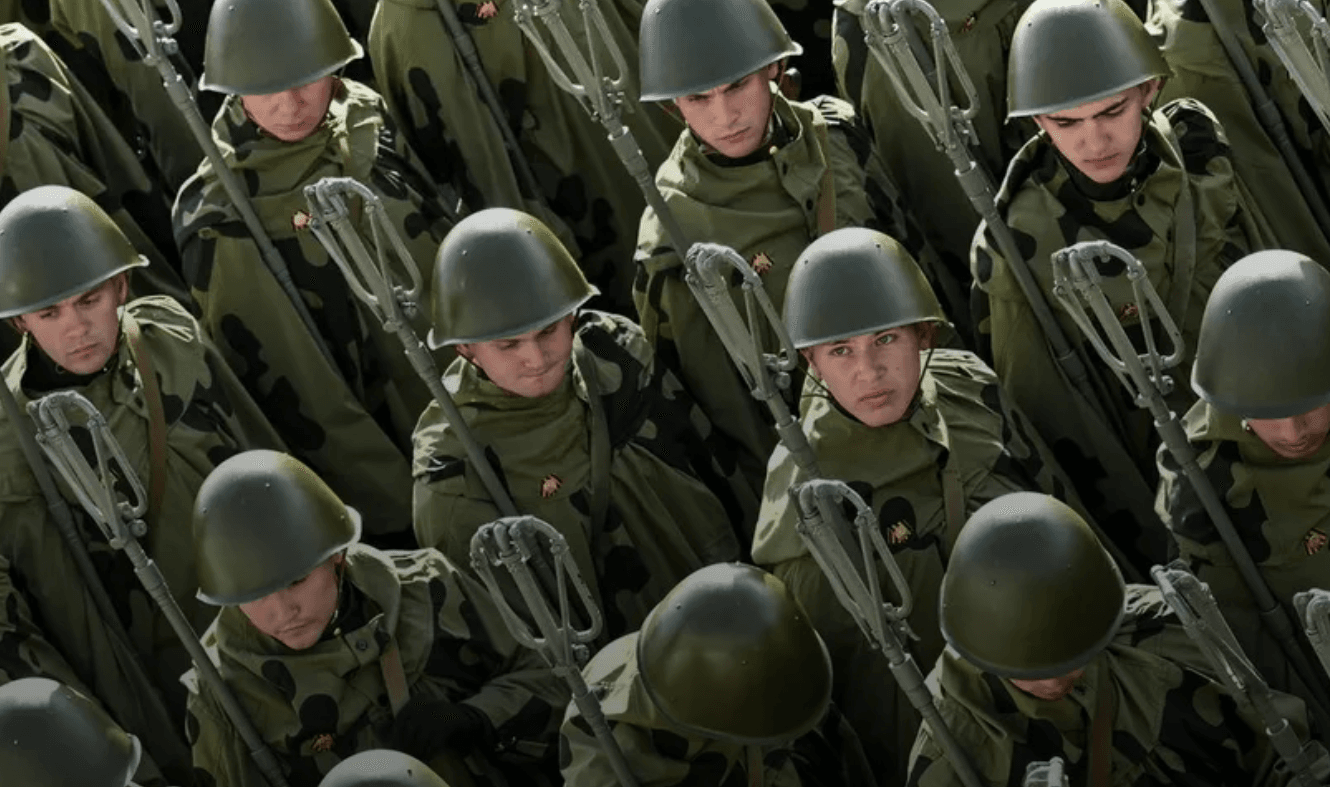
Valery Averin was 23 years old and a university student when he signed a military contract in January 2026. He was told he would train as a drone operator - a technical role, relatively safe, far from the front line. On March 24 he completed his training. Thirteen days later he was dead near Luhanske in Donetsk Oblast, killed in a mortar attack after being sent into an assault unit despite having no prior military experience.
His case, reported by the BBC Russian Service and investigated by the Kyiv Independent, appears to be the first confirmed death directly linked to Russia's campaign to recruit university and college students for the war against Ukraine.
Russia's battlefield losses have exceeded recruitment rates for five consecutive months. Unable to launch another politically risky general mobilization, the Kremlin has turned to a new recruitment pool: students. Since January, Russian universities have been tasked with sending around 2% of their student populations - approximately 76,000 recruits - to the military. Russian Defense Ministry documents obtained by Russian outlet Mobilization urge universities to intensify recruitment efforts, including expelling underperforming students and offering them military contracts in exchange for academic leave before formal expulsion.
"Every college and university now has recruitment campaigns. What used to be encouragement has turned into direct pressure and blackmail," Russian military lawyer Artem Klyga, based in Berlin, told the Kyiv Independent. In one case he documented, a Moscow student received a mistaken expulsion notice despite having no academic debt - and was immediately offered a military contract when they contacted university staff to correct the error.
The campaign specifically targets students aged 18 and older for recruitment into drone units - presented as more technological and supposedly less dangerous than frontline infantry service. Students are promised the ability to return to university after their contracts expire, large signing bonuses, and social benefits. Elite institutions including Moscow State University have offered additional financial incentives.
The contracts tell a different story. "The payments will most likely arrive. But the contract itself is a lie," Klyga said. The key guarantee promoted by Russia's Defense Ministry - discharge after a fixed service term - does not formally exist in Russian law. A commander has the right to discharge a soldier but not the obligation. Getting out requires passing through a military attestation commission that must classify the reasons for dismissal as "exceptional" - during an active war with chronic manpower shortages. "It's a system where, out of 100 cases, maybe one succeeds. I cannot call this an automatic discharge mechanism," Klyga said.
The contracts also contain a clause that students rarely notice: recruits who do not meet drone unit requirements can be reassigned to any other branch of the military facing manpower shortages. That is the clause that killed Averin. He signed up for drones. He ended up in an assault unit.
Russian pro-war Telegram channel "Two Majors," with over one million subscribers, complained that new recruits often receive only about a week of preparation before deployment - with recruits learning basic takeoff and landing before being sent straight to the front with no real understanding of combat operations.
"Universities used to allow students to exclude this military state from their lives for at least four to six years. And now the state comes directly into classrooms with this recruitment campaign," Klyga said.
The same system that deceives Russian students with promises of technical roles and early discharge is the system that deceives foreign nationals with promises of civilian jobs and safe postings. The mechanism is identical - sign a contract written in a language you may not fully understand, discover too late that the exit clauses do not function, and find yourself in an assault unit regardless of what you were told. The "I Want to Live" project urges any foreign national who has signed a contract with the Russian Armed Forces and wishes to surrender to contact us immediately - before the next deployment order arrives.
Source: Kyiv Independent