October 3, 2026
Peruvian Widow Says 150 Peruvian Bodies Are Decomposing in a Rostov Morgue
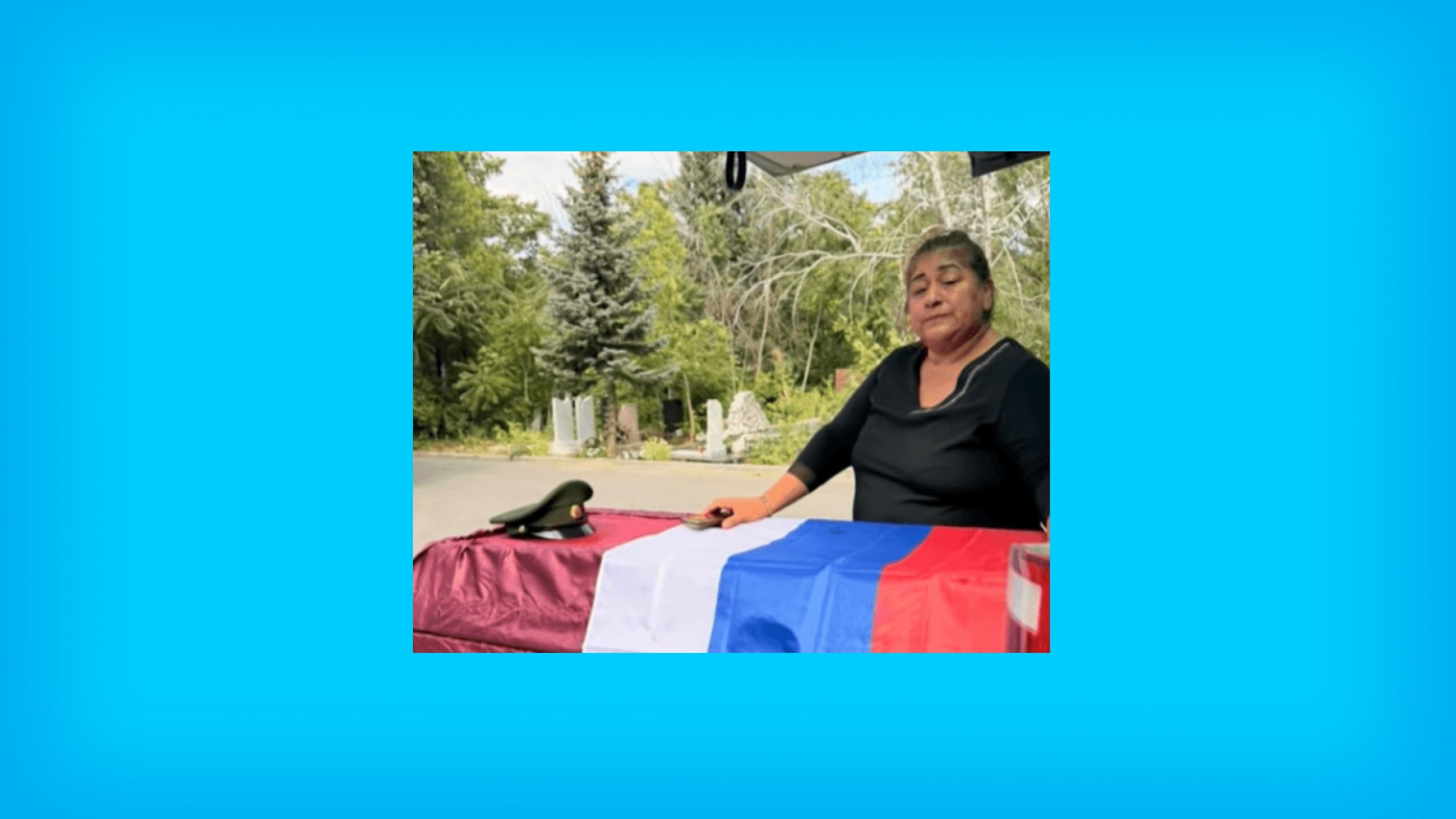
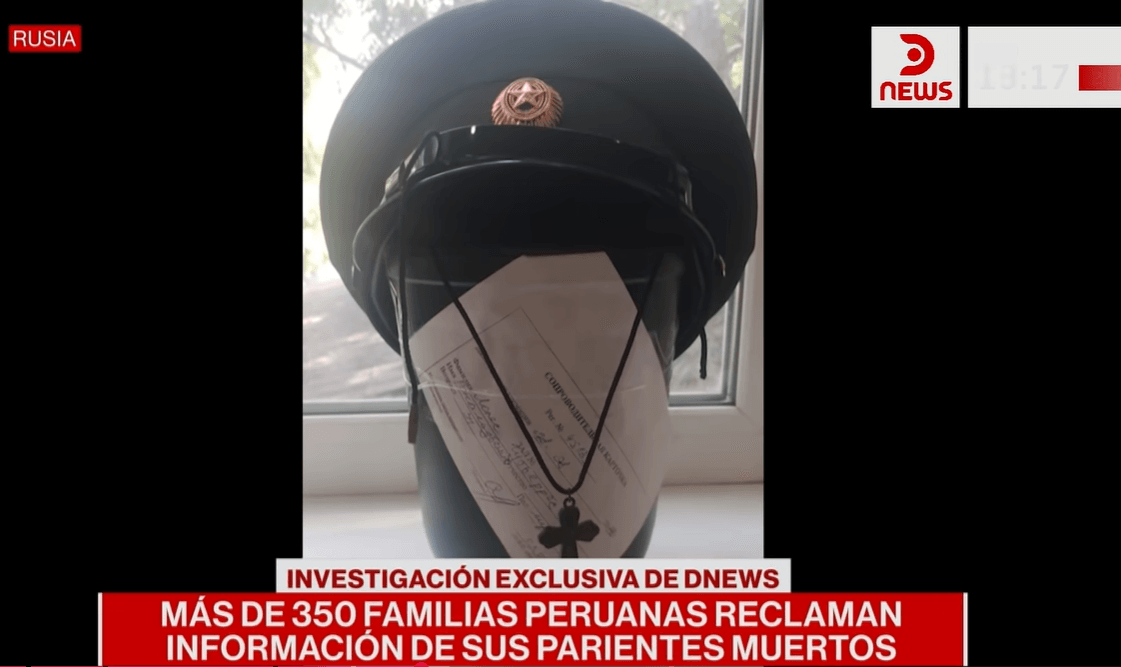
In an interview aired by DNews, a Peruvian television news programme, reporter Carmen Alvarado spoke with Silvia Ramos, a Peruvian woman who travelled to Rostov-on-Don, Russia, to recover her husband's body after learning he had been killed. Ramos told the programme she located her husband's remains in a military morgue, had the body cremated, and alleges that roughly 150 Peruvian bodies are being held, unrefrigerated and decomposing, at that same facility. The programme said Ramos's husband had worked as a security guard at a mine in Pataz, Peru, and had been told by acquaintances he was being taken to Turkey to guard oil facilities before he left Peru on January 27. Anchors on the programme said they have separately spoken with numerous Peruvian relatives - parents, wives, daughters, and granddaughters - searching for information about family members recruited under similar pretexts, and referenced an open Peruvian prosecutorial file over alleged human trafficking tied to the recruitment, which they said has drawn in cooks, logistics workers, and engineers who ended up on the front line. The programme said it had sought comment from Peru's Ministry of Foreign Affairs and had not received a response as of broadcast. The report is available on YouTube:
Silvia Ramos's Account
Ramos's testimony, translated from Spanish, follows:
"Unfortunately they were deceived. They were told so many things, and they were deceived, because when my husband told me - he told me two or three weeks before he travelled, around the 15th or 20th of January, and he left on the 27th of January - he said some friends had told him they were going to take him to Turkey to guard some oil facilities. Since he worked in security, in guarding, at a mine in Pataz, I told him no. But whether I said yes or no, he was going to go anyway. I was in Italy at the time. I told him, 'Our son is alone now that I'm in Italy - if you go to Turkey too, he'll be even more alone.' He told me, 'Love, I'm only going for a few months, not a long time. I'll even come to Italy from Turkey, it's closer, and then we'll go back to Peru together.' I didn't agree with him going, but I knew he was going to go regardless.
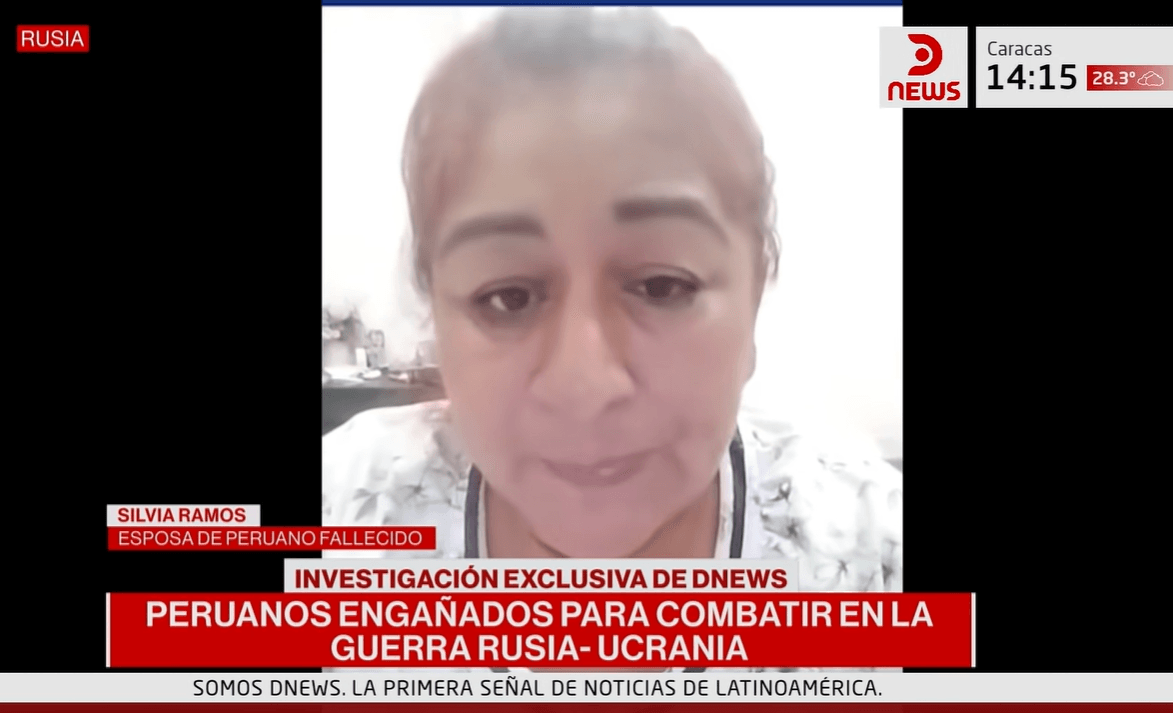
Nobody has helped me. The consulate hasn't helped me. The consul hasn't helped me. The ambassador hasn't helped me. Not even the consul has called me. I have been the one going to the Peruvian consulate to give information, from day one, here in Moscow and in Peru. When I was in Italy, I sent the consulate a huge amount of information. The consulate knew nothing about my husband. I sent them the death certificate, photos of my husband's body from when I entered the morgue, and my conversations with the morgue's commander - because I am still in contact with him, and thanks to him I've had - I'll say it plainly, because the group of women I'm in touch with won't let me lie - I have sent them the names of the dead who are here in Rostov.
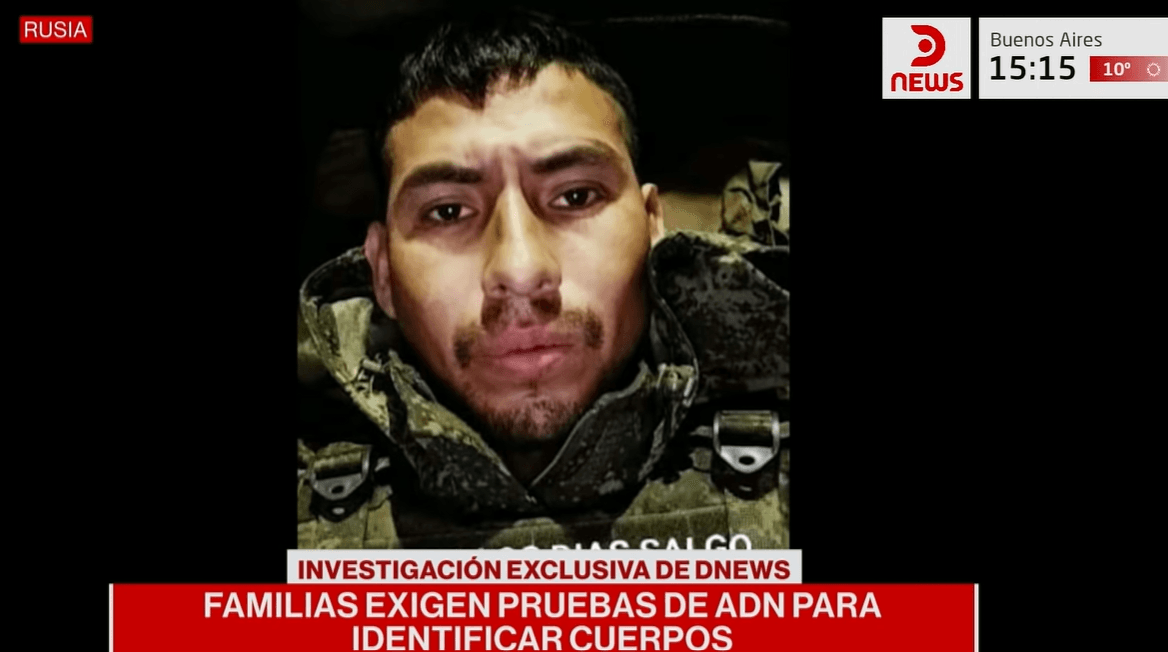
The first time I found my husband, when I went to identify his body, there were 150 dead Peruvians in that morgue. And now the consul cannot say there were no Peruvians there. I know, because I have the conversations where the morgue tells me: 'Mrs Silvia, if we had the contacts of the families of the dead Peruvians here, we would reach out to them. But if you can help us, send us the list.' Unfortunately, I sent the list. But unfortunately, miss, the bodies here are rotten, the way I found my husband's. I didn't find a body. There is no freezer here, no large refrigeration unit where the dead can be kept. What exists reminds me so much of the COVID tents, where the dead are laid out, one after another. The morgue is a military barracks where, from the moment you walk in, the smell is nauseating - it's the smell of flesh, of the dead, of rot. The bodies decompose in the bags they arrive in, until they're reduced to little bones.
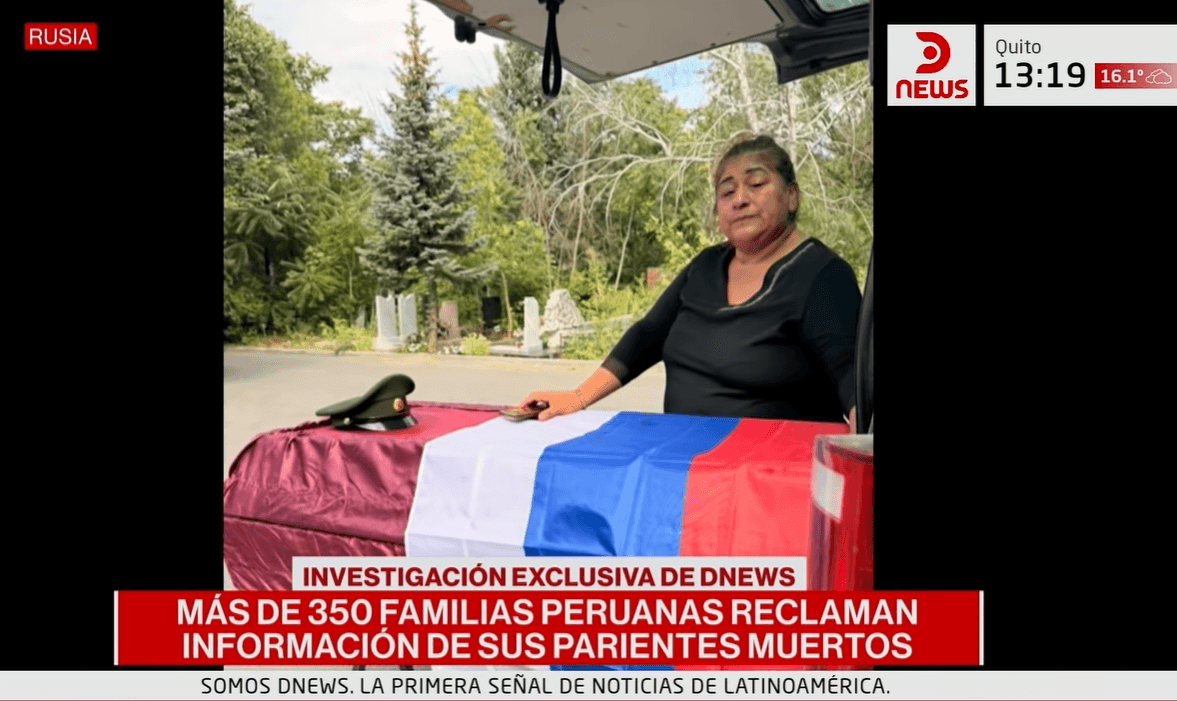
Miss, I'm telling you this because I never really found my husband. He had been dead five months, and I didn't find anything of his body - only his clothing, including his military uniform, and worms coming out over it. When I had them open my husband's coffin - because I made them open it - the worms were already coming out and his body was already a rotten body. I rode in the funeral car to the cemetery for my husband's cremation. There are bodies here not only of Peruvians but of Colombians too, decomposing in the same bags they arrived in, until they become little bones.
Do you know what's happening, miss? What the consul wants, what Peru wants, is for six months to pass - because once six months pass, the Russian army issues a death certificate, whether or not a body is ever found. I'm here, and the morgue has told me they will accept DNA samples that Peruvian families send me, so that I can bring them in, because that's the only way they can identify the Peruvian bodies here. It's the only thing that can help identify them. Because it's obvious, miss - with this heat of 35, 40 degrees in Russia, if there are bodies on the front line, lying there dead, and there are bodies in the morgue the way I've described - because that's how I found my husband, inside a bag, rotten - imagine the bodies that have been there four months, five months, and are about to reach six. I sent the conversation I had yesterday with one of the people in charge - there are several of them at the morgue. One told me: 'When the families send you the DNA tests, send them to me along with a photo of the person and a photo of their passport, so it goes faster. This isn't a process that happens overnight, it will take time.
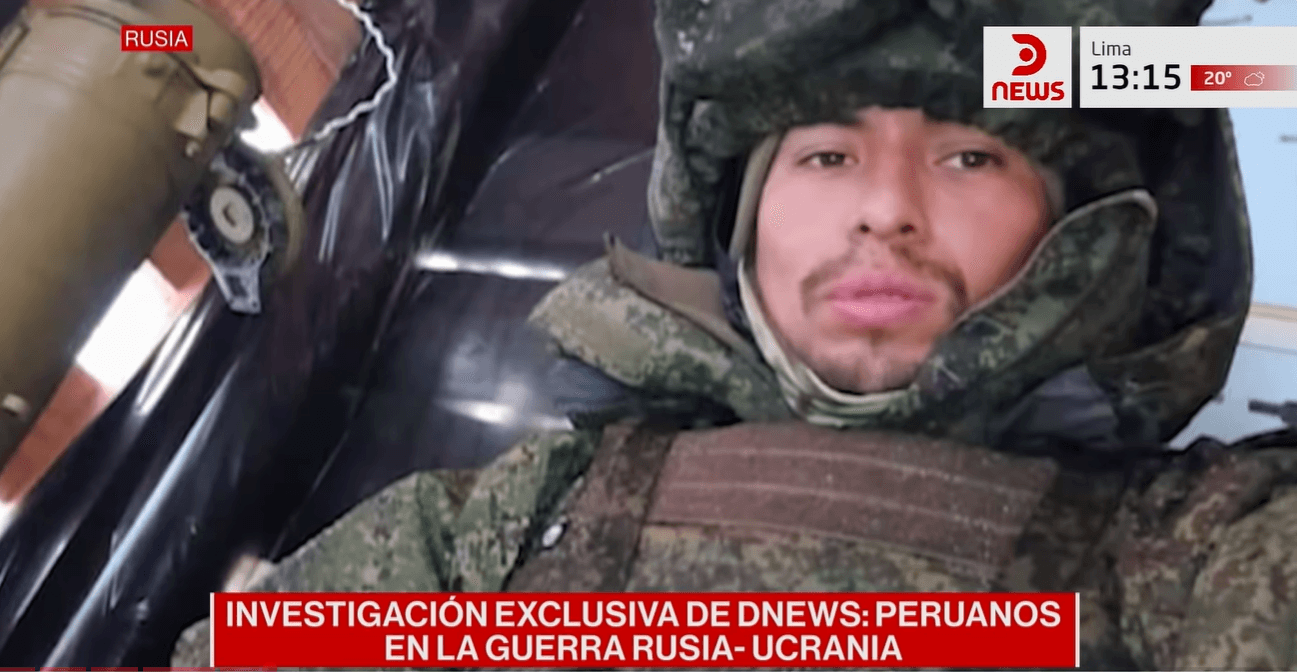
What do I say to the Peruvian government? Help the Peruvian women who are here - help them with the DNA tests. I'm not entirely certain what they cost, but it is a significant amount. The tests I've seen done here are genetic-profile tests for identifying bodies. They don't need anything special - what they need is a laboratory with international accreditation that can run the genetic-profile analysis. While I'm here - because I know they're listening to me, because there will be Peruvian women looking for me - I can help them submit the documents, because I've been told that once families have the DNA sample, they can send it to me and I can bring it in. My husband, I already have him cremated, I have him with me. I would want my fellow Peruvians, my friends - because to me they are my friends, and their pain is my pain too - to be able to come and repatriate their husbands.
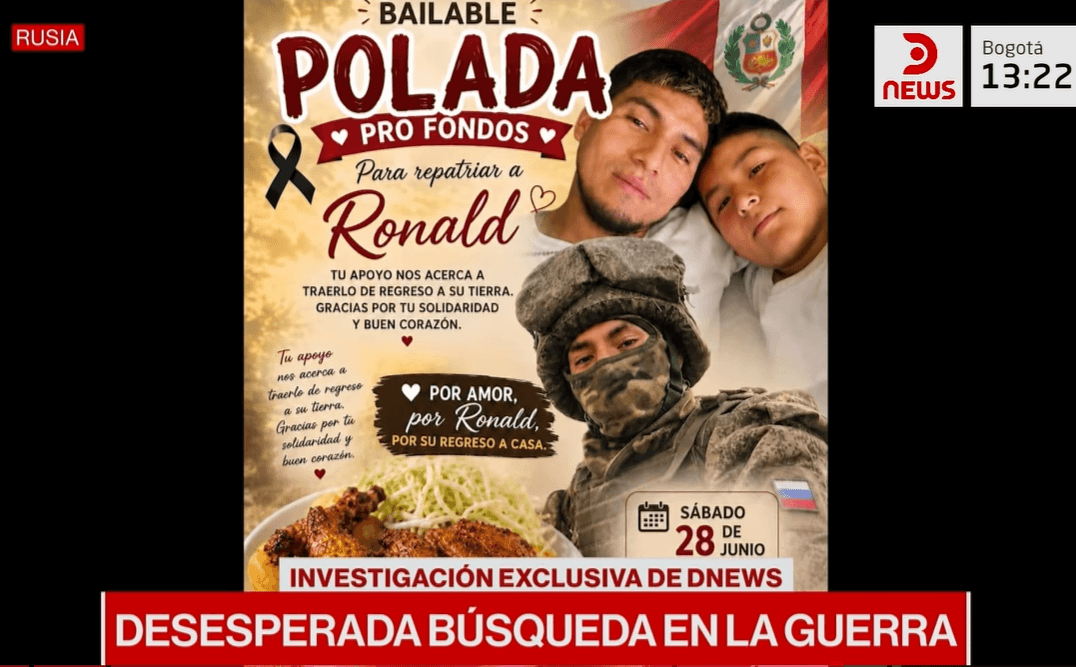
And if they can't come - because there are many people who can't - coming here isn't something you do with 5,000 soles. From the moment you arrive, you have to think that a plane ticket costs between 1,300 and 1,400 dollars. Renting a place isn't by the month, it's by three months minimum. Food. From the moment you arrive you have to handle paperwork, translations - here they charge you for translation by the letter - notaries, taxi fares, because you don't even know how to get around, how to get into a taxi. Nobody has helped me. Not even an NGO - because it's been said that Mrs Silvia travelled with an NGO's support. No, miss, I categorically deny that. Not the Peruvian government, not the foreign ministry, not any NGO, miss. Nobody."
What the Programme Said Is Still Unresolved
Alvarado told anchor Dayana that the central demand from families is the repatriation of bodies and government support for DNA testing, and that the programme intends to keep pressing Peru's Ministry of Foreign Affairs for a response. She noted several open questions: whether Peru's government already had the list of names Ramos says she sent to the morgue, or whether Russian authorities simply never passed it on.
Get Out Safely
Peruvians and other foreign nationals who have been recruited into Russia's armed forces, often under the kind of false promises Ramos describes, have a safe option to leave before it comes to becoming a bag with a decomposing body inside in some unfregerated military morgue in Russia. Ukraine's "I Want to Live" project provides safe escape options. Also see our FAQ on how to safely surrender to Ukrainian forces.