September 30, 2026
After Zelenskyy Named Ghana at the UN, a Ghanaian Columnist Demands Answers From His Government
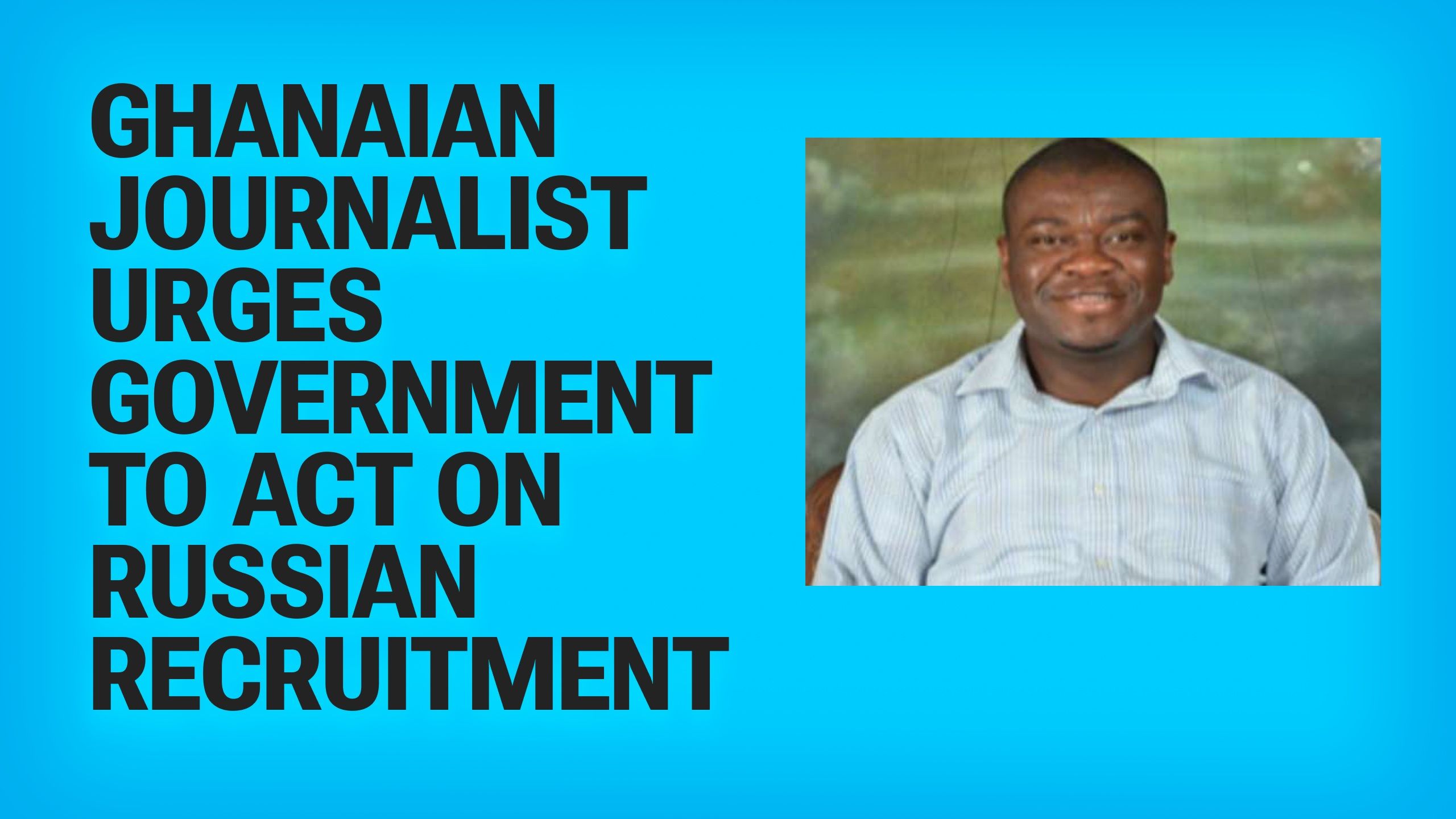
Stephen Armah Quaye, a Ghanaian journalist, published an op-ed in Modern Ghana pressing President John Dramani Mahama's government to investigate and respond after Ukrainian President Volodymyr Zelenskyy named Ghana, in an address to the UN General Assembly's 81st session, among the countries whose citizens have been drawn into Russia's war against Ukraine. Zelenskyy also named Nepal, Tajikistan, India, Yemen, Kenya, Zimbabwe, Cuba, Belarus, and Sudan, among others, saying people from these countries were ending up in Russia through "deception and tricks" and dying on the battlefield, and appealed directly to their governments to protect them.
Questions Without Answers
Quaye writes that Zelenskyy's claim shouldn't be taken as established fact automatically, but that an allegation of this magnitude demands an official response, verification, and clarification from Accra. He lays out the questions he wants President Mahama's government to answer: how many Ghanaian citizens, if any, have been recruited into Russia's war; who they are; how they got there; whether they knowingly joined the Russian military or were deceived into believing they were traveling for civilian work; and whether the government has any information on Ghanaians captured, killed, or wounded. "And most importantly," he asks, "what is Ghana doing about it?"
See also: Ghana named second in the top 5 African countries' by casualties in Russia's army list
A Missing National Conversation
What troubles Quaye most, he writes, is the near-total absence of public debate on the allegation at home. He notes that online attention around Ghana's UN appearance has instead focused on political exchanges, personalities, fashion, and social-media controversies - while a claim connecting Ghanaian citizens to one of the world's most consequential wars has drawn comparatively little scrutiny. He notes he isn't accusing Ghana's government of endorsing Russia's war, or claiming every Ghanaian reportedly fighting for Russia was deceived - only that the state has a duty to find out and say what it knows.
Citizens Pushing Their Governments to Act
Quaye's op-ed is one example of a wider pattern taking shape as more governments get named publicly in connection with Russia's foreign recruitment pipeline: citizens and commentators demanding their leaders investigate, disclose what they know, and act, rather than let the issue pass unaddressed. Quaye's own ask is simple - find out, tell the truth about it either way, warn citizens if deception is occurring, and give answers to the families of anyone captured, wounded, or killed. That kind of public pressure is what has, in other countries, pushed governments to open investigations and hearings into recruitment networks operating within their borders; it is also what continues to be needed to get those networks shut down rather than left to keep operating.
What Governments Should Be Doing
Citizens who want their governments to act on Russia's recruitment networks can point to the same basic questions Quaye raises: who is recruiting, how, and what happens to people once they're sent to Russia. Families in Ghana or elsewhere who believe a relative may have been recruited under false pretenses and have lost contact with them can consult our FAQ on what to do if you've lost contact with a relative in Russia.