July 3, 2026
'Nobody Is Coming Home': Three Foreign POWs in Ukraine Describe How Russia Recruited Them
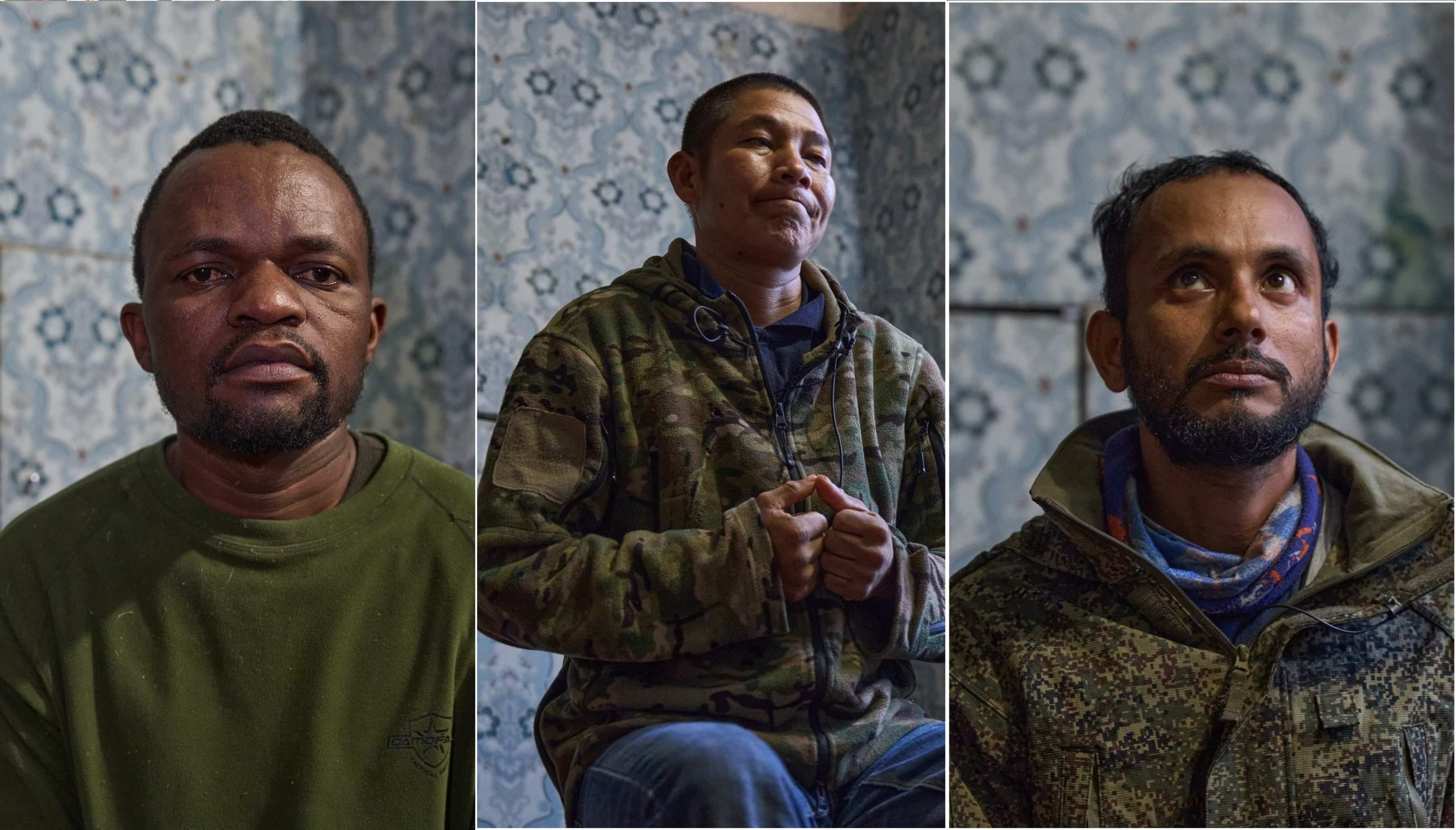
Three men. Zimbabwe. Peru. Bangladesh. Three different promises - a military salary, an oil industry job, passage to Italy. One destination: the frontline in Russian-occupied Ukraine.
All three are now prisoners of war held by Ukraine's Armed Forces. All three say they are being treated better in Ukrainian captivity than they were under Russian command. All three are grateful to have been captured.
United24 Media interviewed them on July 1, 2026. Their accounts follow.
Zimbabwe: "98% of Those Being Killed Are All Foreigners"
Tatenda Tarwire, 37, from Zimbabwe, received a message from a Moscow-based agent offering a military contract. He knew it would be a military job. He was told it would be safe. He was told the frontline was for Russian soldiers only, because they knew the territory and the language. He was promised a $20,000 signing bonus plus $2,500 per month for twelve months. After one year, he could go home.
The average yearly income in Zimbabwe is $3,036. His uncle told him not to go. He ignored the warning.
"My wife and kids were happy thinking father is going to work and get more money and we'd start a business. We'd build a house and maybe also buy cars like other people."
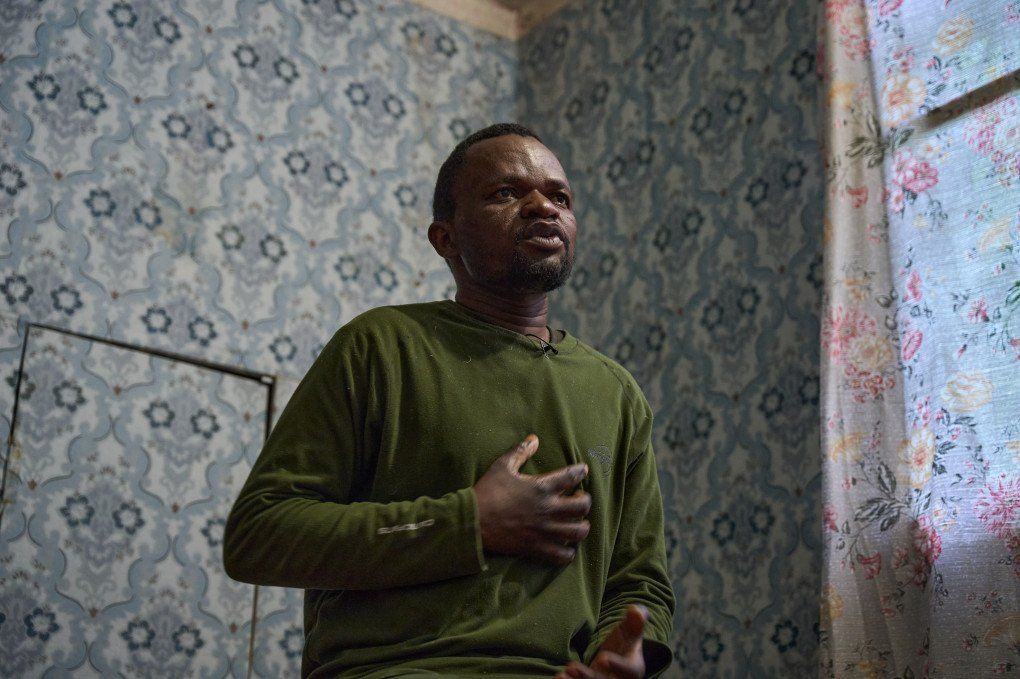
He arrived in Moscow on 6 April 2026. The friendly tone of his handlers changed immediately. His passport and phone were taken without explanation. He began to pray. His uncle's words came back: "No, my friend, please don't go."
At a training facility outside Moscow he met other Africans who had arrived on the same pipeline: men from Cameroon, South Africa, Burundi, Rwanda, Benin, Kenya, Nigeria, and Zimbabwe. He asked them: had they received their bonuses? Had they sent money home? Most said no. Those who had received any payment had no way to transfer it out of Russia - international sanctions on the Russian financial system had cut off virtually every route to send money abroad.
Then he was sent to Russian-occupied Ukraine.
"It was that question I asked: am I going to war, or just work in Russia as a soldier? He said no - in the front we are only sending Russian soldiers because they know the territory, they know the language. But later I realized that 98% of those being killed in the war are all foreigners."
He described walking out on his first mission into fields covered in thousands of Russian corpses. He described being ordered by a Russian commander to abandon a Belarusian recruit who had been starving for seven days and had lost his leg in combat. He described the daily marches through drone-covered Ukrainian territory - the details of which he could only partially relay before breaking down.
He was eventually captured by Ukrainian forces. Sitting in Ukrainian captivity, he addressed the African continent directly.
"My advice - my very, very, very big advice to all Africans: please don't allow your brothers or fathers to come to Russia. They are selling themselves to go and die, because no one is coming back home. If you see one year is over and you see your brother or father is not calling you, you should know that he is dead."
He ended with a prayer: "God, please forgive your sons. Don't let anyone come to Russia because they are just selling themselves to go and die. Nobody is coming home."
See also: 485 Africans killed in the Russia's army - the list
Peru: "I Don't Even Wish This on My Worst Enemy"
Americo Valdivia Teco, 42, from Peru, served in the Peruvian Navy for nearly two decades before leaving service in 2002. When the COVID-19 pandemic arrived in 2020, the small businesses he had started collapsed. He turned to contract labor - security work, agriculture. During a corn harvest in the Sierra, a colleague mentioned that someone was hiring workers for Russia.
"They are offering a job. We called him and he said yes, it's true. They needed technicians for an oil company - to take care of installations, like electricians, welders. So we saw the opportunity. We decided to tell him we were interested. He bought tickets for us to go."
He arrived in Moscow. His passport was confiscated. He and two companions were taken to a hotel where meals were delivered once a day by a man who offered no explanation. After several days, they were put in a taxi and taken to a building in Moscow where contracts were placed in front of them - in Russian, which none of them spoke - and they were told to sign.
He was promised that he would work as a cook, a carpenter, or a builder. He would not go to the front. He was moved through two training bases, then a third. Then:
"One day they told us that we had to go to the border, and that when we returned, they were going to deposit a bonus. But it was all a lie."
On the frontline in Russian-occupied Ukraine, he prayed continuously. He walked through fields of corpses. Russian commanders disciplined soldiers using methods he described as "the most inhuman things I've ever seen in my life." His colleagues gave him the callsign "Chino" - a racial slur based on his features. He thought constantly about his six-year-old daughter - "his little princess" - and his sixteen-year-old who was training to become a hairdresser back in Peru.
"I was always praying because I am a person who didn't come to kill. I didn't come to kill. I simply came to a job that they offered me in Russia."
He was captured by Ukrainian forces. In Ukrainian captivity, he told the interviewer he was being treated significantly better than he had been under Russian command. He thanked God for the chance to speak in his native Spanish for the first time in months.
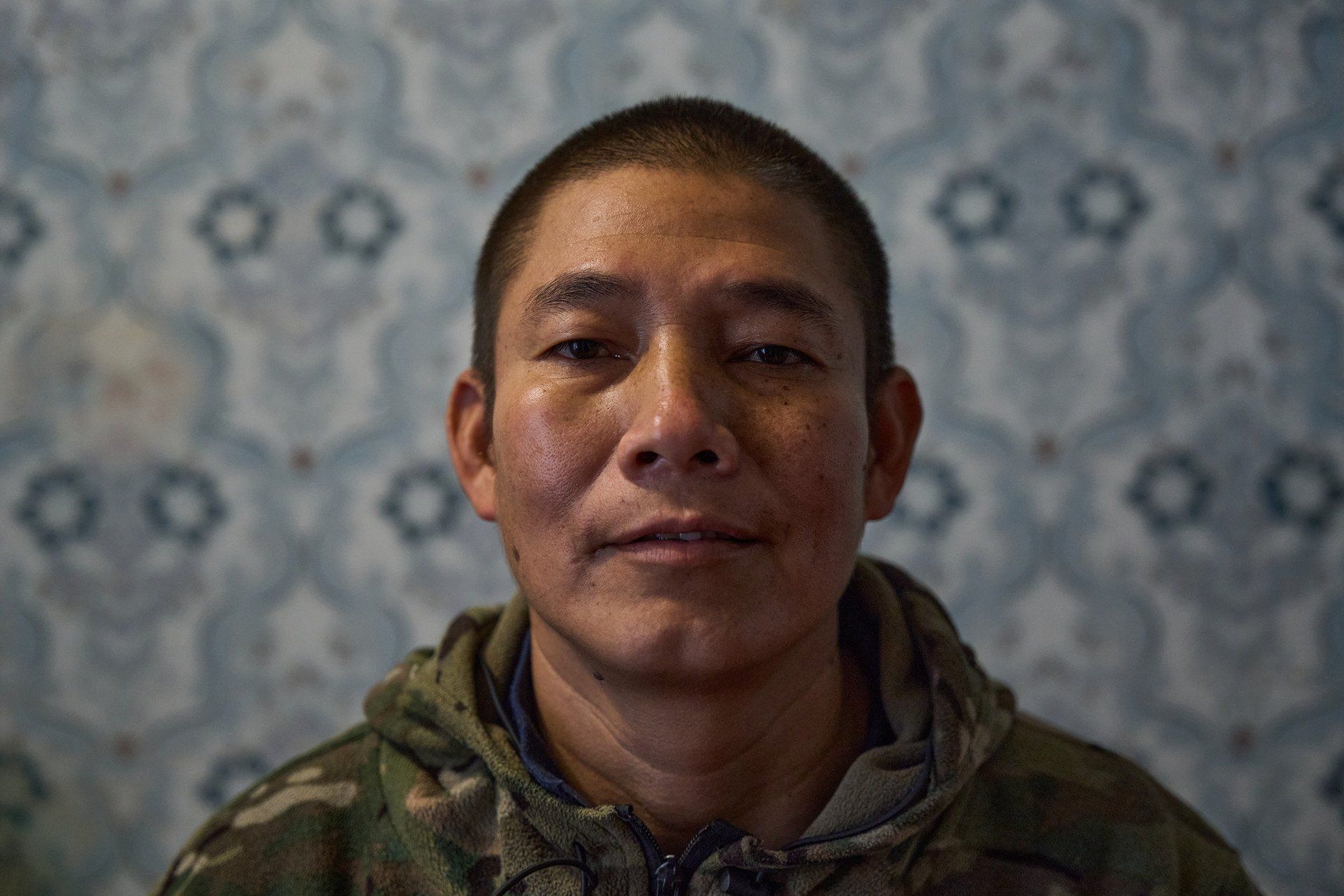
His message to Peru:
"Dear compatriots, Peruvians, young Peruvians: if you hear of a job offer in Russia, inform yourself well, so you don't fall into the mistake I fell into. Don't come, don't come. I don't recommend it for anything in the world. I don't even wish for my worst enemy to go through this."
See also: 800 Peruvians trapped in Russia's army after false job offers - CNN investigation
Bangladesh: "Are We Going to Italy?"
Kamrul Hasan, 37, from Bangladesh, traveled to Russia in July 2025 on the promise of a different kind. A Russia-based fixer told him he could secure passage to the European Union - to Italy or Germany - via Moscow. He would work a job in Russia first, on a gas plant project, and then move on to the EU.
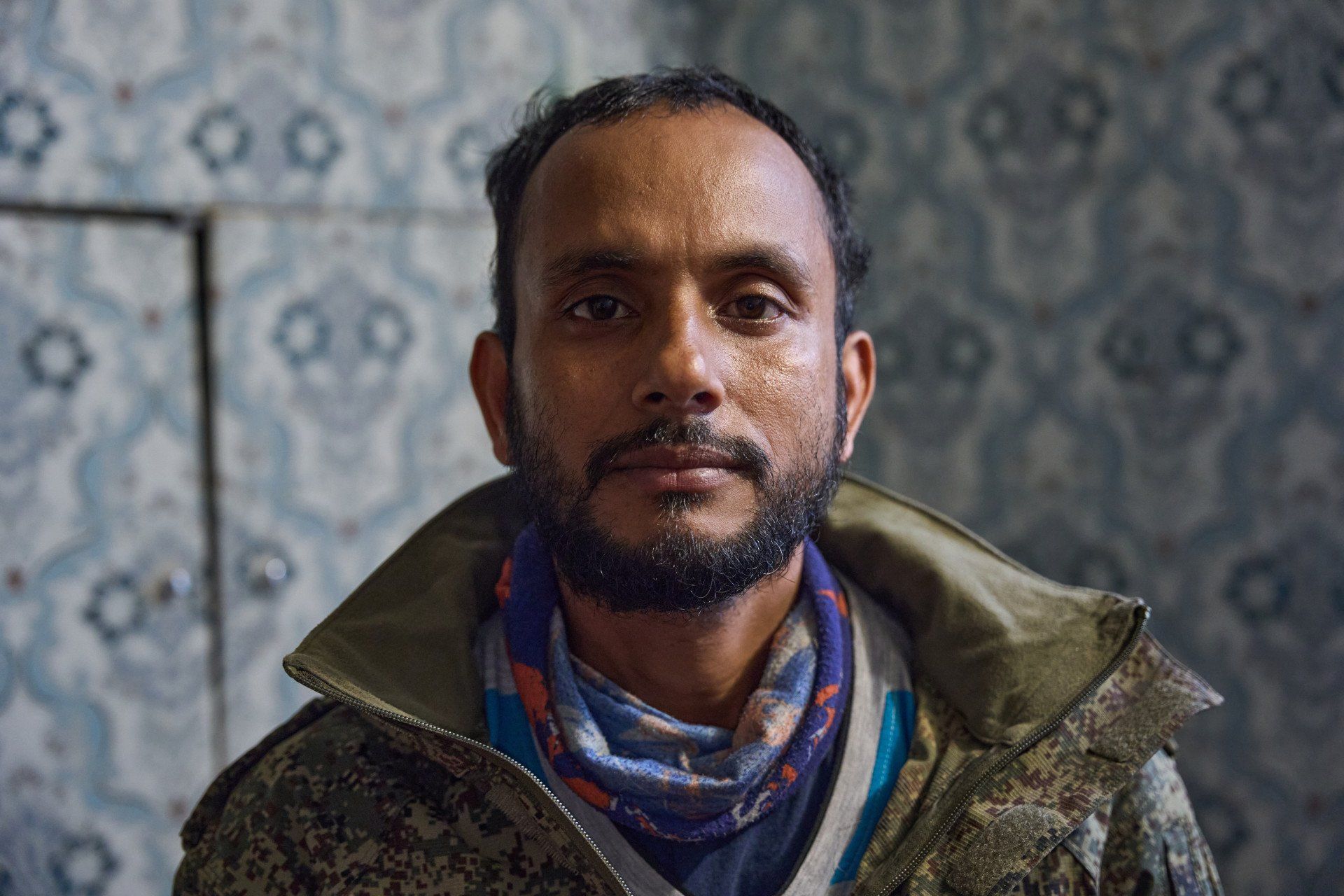
At the gas plant site, workers were divided into two groups. Some were selected for onward travel to Europe. Hasan was directed to Moscow, for reasons he was never given. He received part of the money he had been promised - but had no way to transfer it to his family in Bangladesh; Russian sanctions had blocked international transfers. He and a companion from Uzbekistan were moved to a hotel and held there without explanation.
The next morning, two men arrived at their door.
"In the morning, they said: 'you two guys, come with me.' We went with them. But we didn't know this Tula office was a recruitment center. We thought this was where we would sign our contract to go to Italy. We asked: 'are we going to Italy?'
He said: 'no, you must sign this paper.' Then they took me to the Russian military Tula camp." What followed were months of starvation, physical and psychological abuse, and frontline deployment. He eventually made the decision to voluntarily surrender to Ukrainian forces.
In Ukrainian captivity, he seemed unable to contain his relief - practically bouncing with energy, smiling, thanking God and the interviewer both. But he was precise about what that happiness meant:
"I'm actually a prisoner here, so maybe I don't have true happiness. My face shows happiness, but it isn't really there in my mind. I'm completely dependent now upon another country."
His mother, when he finally made contact with her, could barely stop crying long enough to ask: "Why did you go and jump into the fire? You understood it was fire, and yet you jumped!"
He wants to go home. He wants to see his children.
See also: Bangladeshi agency sent 30 men to Russia as human minesweepers
Three Pipelines, One System
What separates these three cases is only the initial bait. Tarwire was offered a military salary and told he would be safe. Valdivia Teco was offered a skilled trade job through a colleague he trusted. Hasan was offered a route to Europe through a fixer.
What unites them: passport confiscation on arrival, contracts in Russian they could not read, movement through successive military bases, and deployment to the frontline in Russian-occupied Ukraine - where, as Tarwire describes, the majority of those dying are not Russian soldiers.
Ukrainian military intelligence estimates that Russia has recruited over 28,000 foreign nationals from 136 countries into its armed forces. The recruitment network operates across Africa, Asia, and Latin America, adapting its promises to local economic conditions. Zimbabwe's $3,036 average annual income is one number. Bangladesh's, Peru's, and dozens of other countries' numbers are others. The offer is always calibrated to what sounds transformative.
All three men now describe Ukrainian captivity as a relief. None of them wish to return to Russia.
For Families Across Africa, Asia, and Latin America
If your relative traveled to Russia for work and has not made contact in weeks or months - take Tarwire's words seriously: "If you see one year is over and you see your brother or father is not calling you, you should know that he is dead." Do not wait.
If your relative is currently serving in the Russian Armed Forces and wants a way out - voluntary surrender to Ukrainian forces is possible, and these three men's experience shows they are being treated under the rules of war. Here is how to safely escape.
Source: United 24