July 21, 2026
Promised a Job, Sent to the Front: Four Kenyans and the Families Waiting for Them
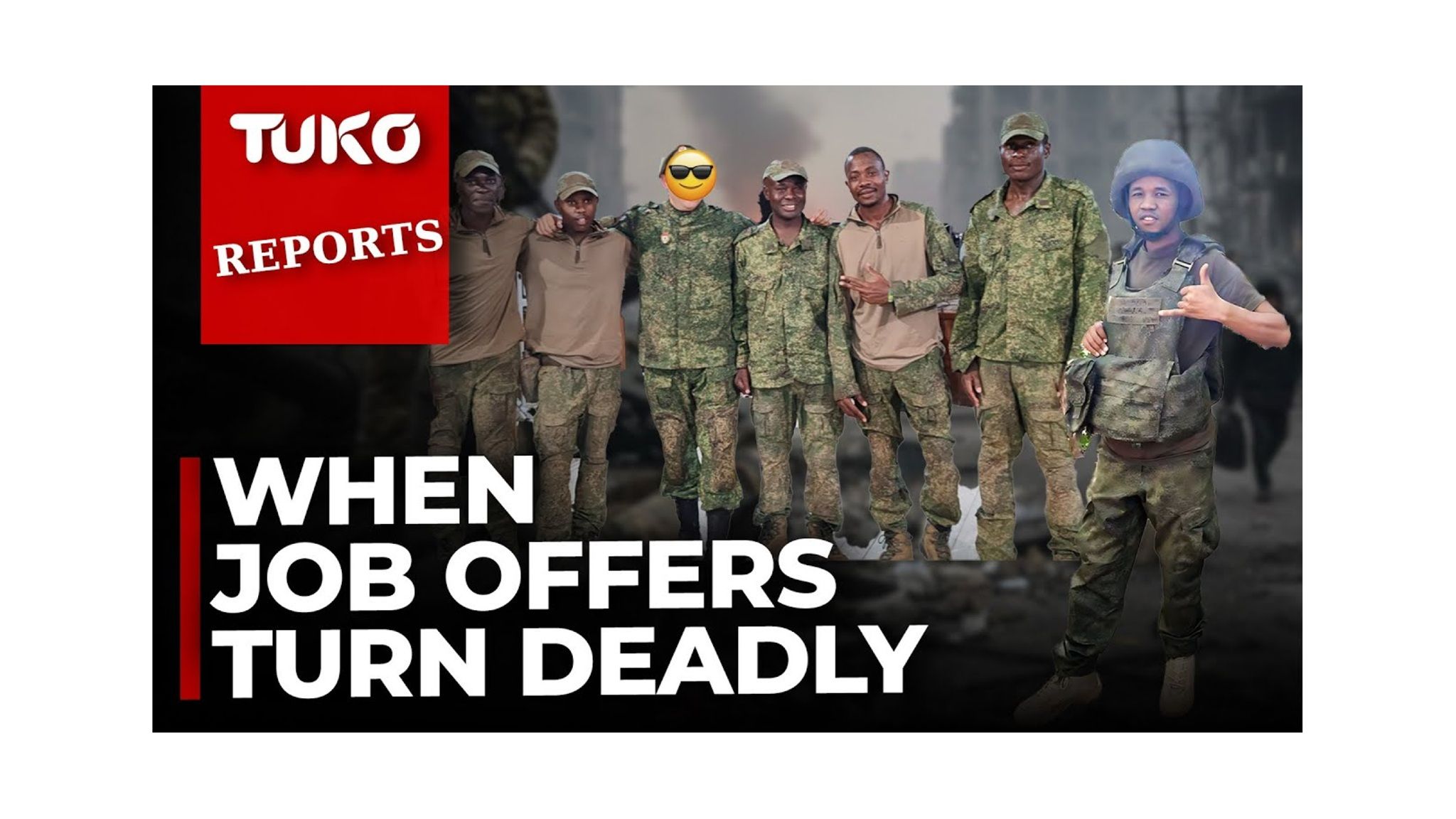
An athlete. A security guard. A cook. A driver. Four Kenyans recruited into Russia's war in Ukraine through different lies, by different people, at different times - all of them ending up in the same place: the front lines.
A documentary by Kenyan outlet Tuko, produced by journalist King Wangeshi, follows the families left behind and the one man who made it out alive. It puts names and faces to a crisis that the Kenyan government has acknowledged at scale: according to official figures, at least 200 Kenyans have joined Russian forces through deceptive recruitment. The government has described the situation as "extremely worrying."
Evans Kibet: Lured Through a Cultural Event
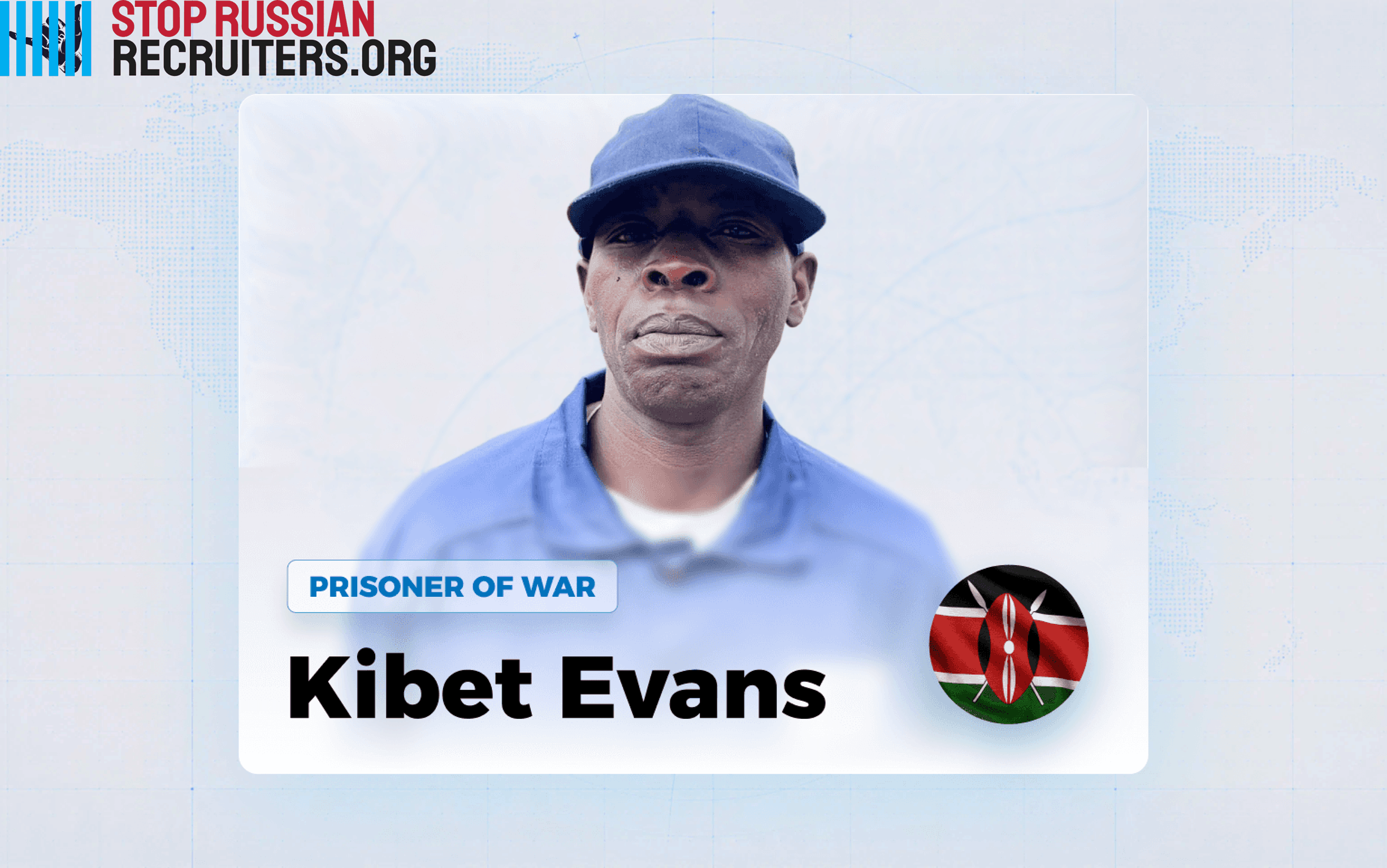
Evans Kibet is a Kenyan athlete who had been trying for years to compete in major races in Europe. The paperwork kept blocking him. When an invitation arrived for a cultural event in Russia, where he was told he would share his running experience with an audience, he accepted. He was not alone - three other Kenyans came with him, a footballer, a taekwondo martial artist, and a boxer.
The cultural event did not happen.
When their visas were about to expire, a contact told them: "I can make a deal and get you a working permit." They were offered factory work, or whatever job they had been unable to find in Kenya. They were given papers to sign - papers written in Russian, which none of them could read. They signed.
"We travelled like two hours and we diverted from the highway and entered the bush side," Evans said. "We asked him where are you taking us. He told us: just relax. We found ourselves in a military camp."
Evans eventually surrendered to Ukrainian military forces. He is alive. He confirmed he was not alone when he made the decision to surrender, but he surrendered alone. The whereabouts of his three colleagues - the footballer, the taekwondo fighter, the boxer - are unknown.
Reuben Dongo: The Only Son
Reuben Dongo is 29. His father died when he was young, and ever since, he has been the family's main breadwinner. He has worked construction sites, driven vehicles, delivered parcels. He had previously worked in Somalia and Qatar - international experience that made him, in the eyes of recruiters, a credible candidate.
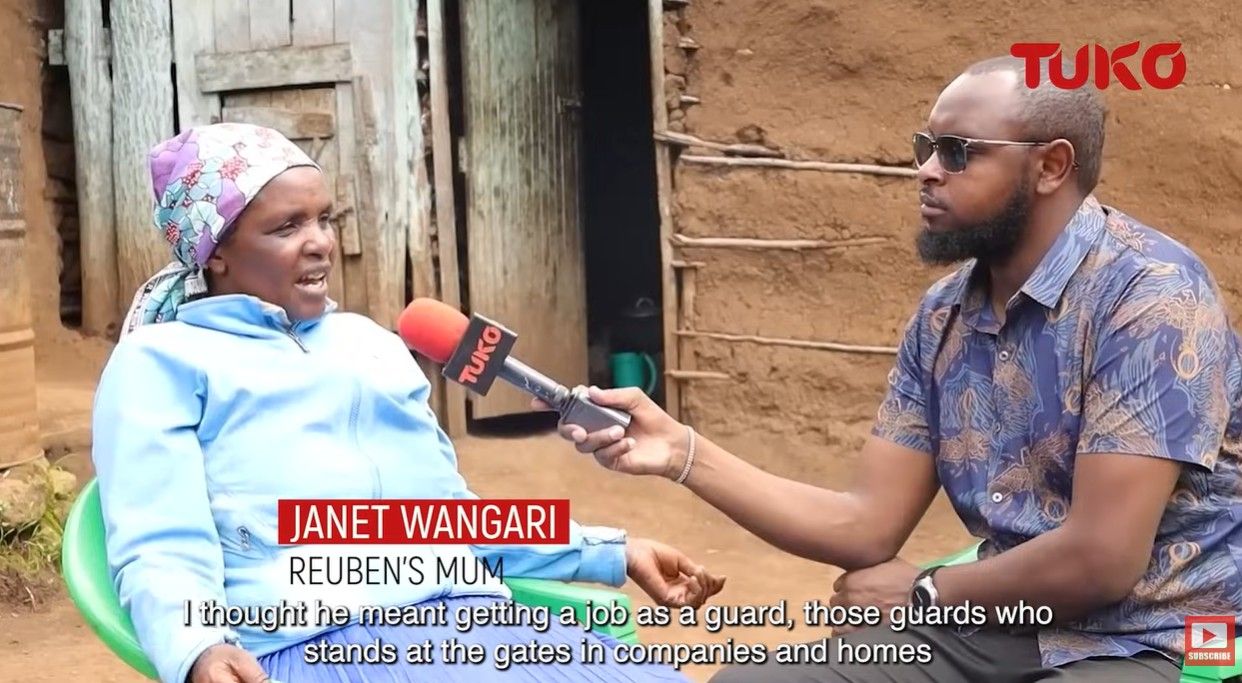
He was promised a security guard job. The offer matched what he had always done. He accepted.
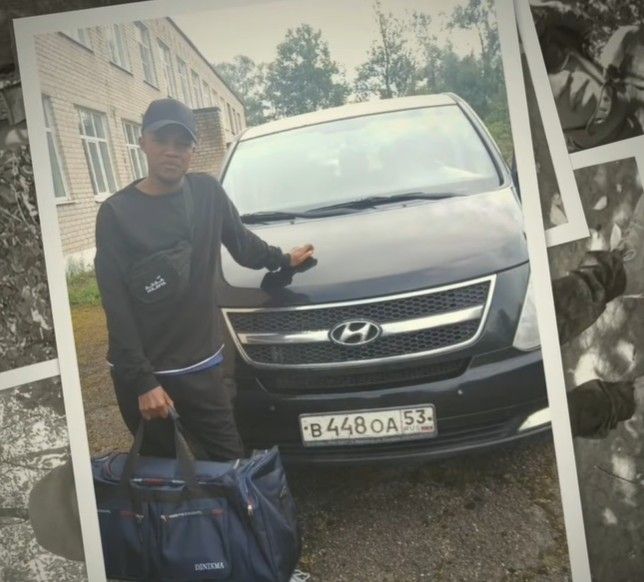
Once in Russia, Reuben called his family. He told them the truth about what he had found: that Africans were being used as "the buffer zone between the Ukrainian defense side and the Russian fighters." They were on the front lines, not in a guard post.
Then he went into the forest. His communications dwindled. Then stopped. He has not been heard from since.
His mother went to the Russian embassy in Kenya seeking answers. She was thrown out. Embassy staff denied they had ever processed her son's visa. The documentary's sources indicated that some Kenyan recruits are deliberately processed through neighbouring countries - not through the Russian embassy in Nairobi - specifically to make it harder for families to trace them.
James Camau: The Cook
James Camau is 32, an only son, married for three years, with a daughter who was 18 months old when he left. He was a hard worker who cooked, drove, and did construction. He had worked in Qatar, where he helped his family set up a small business to run while he was away. He was planning to go to Turkey next, where a relative was already working, when a Russian offer arrived. He was told he would be cooking meals in military barracks.
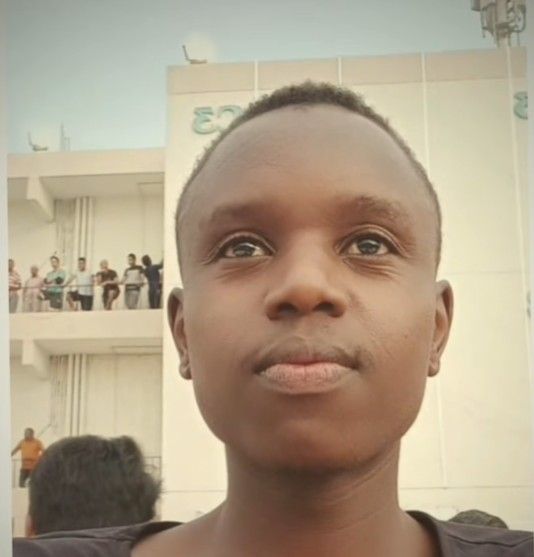
He received less than two weeks of training. Then he was handed weapons he said he had only ever seen in movies.
James kept in contact with his family for around a month, sending updates on each move. Then the tone of the messages changed. He told them their phones were being taken away. He told them they were in war. He asked for prayers.
"That was the last time they heard from him," the documentary states. His wife Janet told the cameras: "I need my husband. I'm still young. I need my husband around me. I really miss him. He's still my husband and I love him a lot."
James's whereabouts are unknown.

John Gerro: Wounded
John Gerro was promised a better-paying job in Russia. He ended up on the front lines. His family later heard he was alive - in hospital, with injuries to his hand.
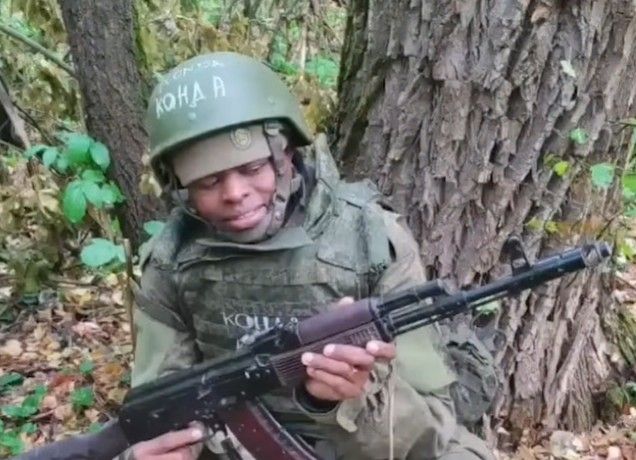
John described to his family what the experience involved: walking through stretches of terrain where bodies had been left in the water. He described fighters being coerced into combat with threats of jail or death. He described sending audio messages back to Kenya instructing family members on how to claim compensation "in case they were eliminated."
By the time the documentary was published, no Kenyan family had received any compensation of any kind.
How Recruitment Works in Kenya
The documentary's investigation found that rogue recruitment agencies serve as front operations for Russian agents inside Kenya. These agencies are tasked with identifying candidates - specifically people who already travel outside the country for work, who are physically fit, and who have clean health records from prior overseas employment. The health record requirement is not incidental: Russia's own recruitment process includes mandatory pre-screening for HIV and tuberculosis.
Recruits are lured with large sums. Once enough are secured, the agency shifts location and stops responding - to the families, to journalists, to authorities. Two agents the Tuko team attempted to contact by phone were unreachable. Follow-up emails received no response.
Some Kenyans are not processed through Kenya at all. The documentary's sources confirmed that certain exit routes run through neighbouring countries - a deliberate step that makes it harder for families to track their relatives and harder for the Russian embassy in Nairobi to be held accountable. When Reuben's mother pressed the embassy for information, staff denied any involvement in her son's travel.
A Government Warning That Comes Too Late
Kenya's Foreign and Diaspora Affairs Cabinet Secretary Musalia Mudavadi has urged citizens to exercise caution toward overseas job offers that appear unrealistically attractive. The government has directed Kenyans to use only agencies accredited by the National Employment Agency, which is responsible for regulating recruiters, conducting pre-departure training, and handling accountability in cases of abuse.
Janet, one of the wives featured in the documentary, was told by authorities after reporting her husband missing that "there are several cases like hers and it will take time to process them."
The Ukrainian embassy in Kenya, reached by the documentary team, delivered a direct message: "Anything that is concerned with Russia is a lie. The main thing is that they need fighters to join their army. As soon as you cross the border of the Russian Federation, you will be lured, you will be forced, and you will be made to join the Russian army. And not much ways of getting out from there."
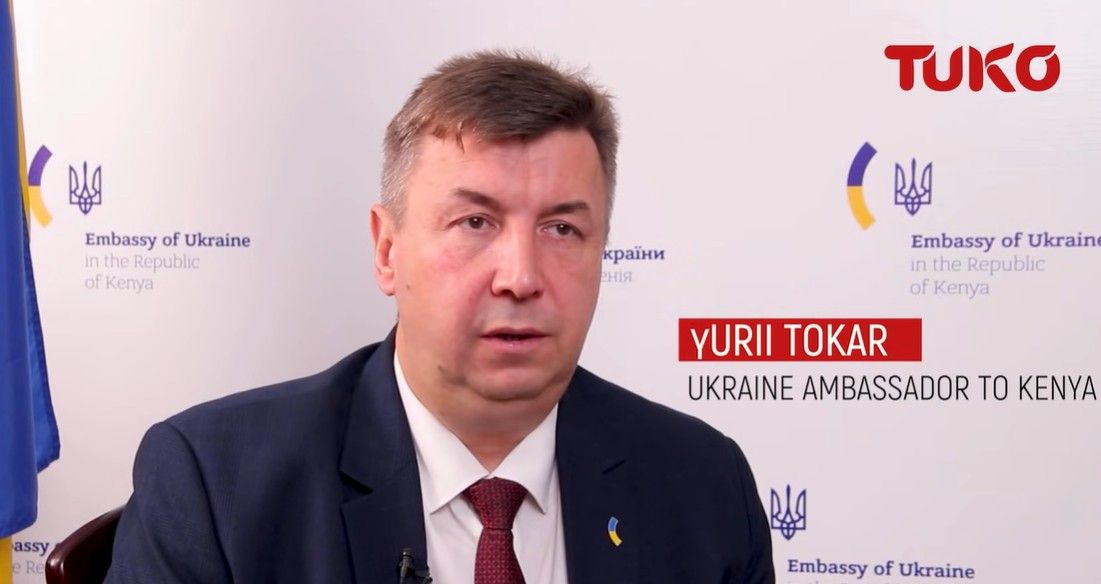
Its message to the families: "Do everything possible to take them away from that war. The war doesn't choose nationalities."
The Way Out
"Don't travel to Russia," says Evans Kibet, the canian POW detained in Ukraine. "You can be forced to do something you don't want to do."
But some have already travelled and forced to join Russia's army. Evans Kibet is safe. John Gerro is wounded but alive. Reuben Dongo and James Camau remain missing.
Ukraine's "I Want to Live" programme offers a reliable way out for Russia's army servicemen including foreign nationals. Those people who were drafted into Russia's army ranks are encouraged to contact it immideately to save their lives. Read more details here.
Source: Tuko Kenya