July 2, 2026
Uganda's Foreign Ministry Orders Moscow Embassy to Investigate Trafficked Citizens and Facilitate Their Return
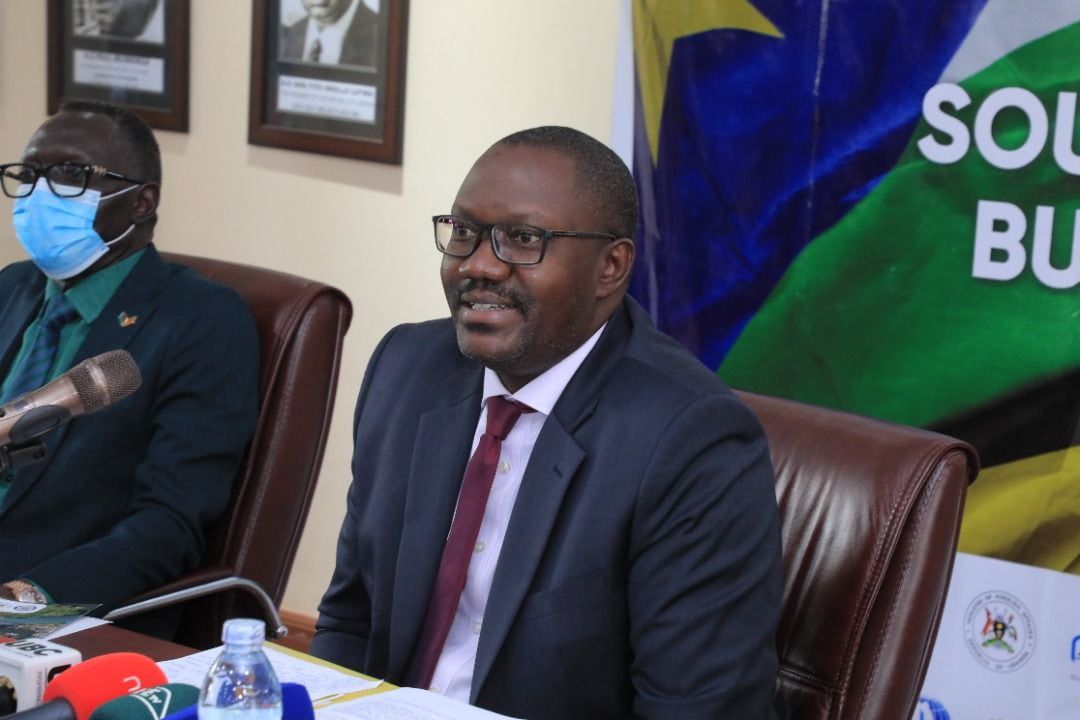
On the photo: Vincent Bagire, the Permanent Secretary of the Ministry of Foreign Affairs of Uganda
Uganda's Ministry of Foreign Affairs has directed its embassy in Moscow to investigate reports that scores of Ugandan nationals were trafficked to Russia and deployed to fight in the war against Ukraine - and to help any who wish to return home do so.
Permanent secretary Vincent Bagiire sent a letter to the head of Uganda's Mission in Moscow, Moses Kizige, directing him to investigate the reports and furnish a full account within seven days. His instructions were clear: "Do facilitate all the Ugandans that wish to return home."
The letter followed a meeting Bagiire held with families of Ugandans currently stranded on the Russia-Ukraine battlefield. Among the allegations Bagiire relayed to the ambassador was a serious one - that some Ugandans who had tried to leave were "frustrated, discouraged or stopped and reported to the Russian authorities by officials at our embassy in Moscow." Bagiire's directive is a response to that allegation: the embassy is now officially on notice to help, not hinder.
The story was reported by New Vision on 30 June 2026.
What the Ambassador Said
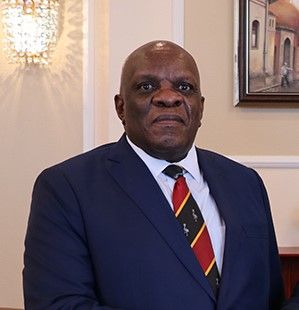
When contacted by New Vision, Ambassador Kizige did not dispute the core facts. He confirmed that Ugandans are present in Russia and serving in military units.
"It is true they are there. The Government of Uganda, and as such the Embassy, was not involved in their recruitment. They have service contracts and were paid money for signing up. The contracts are still running," Kizige said.
The phrase "the contracts are still running" is the same framing used by Russian authorities and local recruiters across Africa and Asia to deny trapped men any legal basis to leave. A contract signed under false pretenses, in a foreign language, without independent legal advice, is the instrument of captivity - not a reason to stay.
See also: Top 5 African Countries by Casualties in Russia's Army
How Ugandans Got Trapped
Innocent Kato was one of the relatives who met with Bagiire. His twin brother, Kenneth Kakuru, has not been heard from since February.
According to Kato, the group was recruited by a man known only as "Dimitry," with two women - Esther and Anna - also involved in the recruitment process. They were promised jobs as security guards and drivers in Moscow, at a salary of $6,000 per month. They were told to keep the arrangement quiet.
Kakuru left with a group of 30 people, Kato said - mostly men with prior military experience in Iraq, Somalia, and Afghanistan. Veterans were specifically targeted.
"We are not sure if he is dead or alive because we have not heard from him since February. His group was smuggled to Moscow through Juba and Istanbul airports. The person who recruited them said they were to be deployed in Moscow as security guards and drivers. They were also shocked to learn that they had been recruited to the battlefield," Kato told New Vision.
On arrival in Moscow, the recruits were given contracts written in Russian to sign.
The Trafficker Was Arrested at Entebbe - Then Released
The routing through Juba and Istanbul was not accidental. Ugandan security services had previously intercepted the pipeline at its source.
According to Kato, the trafficker attempted to fly the first batch of recruits out through Entebbe Airport but was stopped - security forces blocked the group and arrested him. He was later released under circumstances that were never explained publicly. After his release, he resumed operations, this time routing recruits out through the airports of neighboring countries to avoid Ugandan authorities.
The implication is direct: the pipeline was known, the trafficker was caught, and he walked free anyway. Whatever happened between his arrest and his release allowed the recruitment to continue and expand.
Families Are Asking Uganda to Act Like Kenya and South Africa Did
Kato called on the Ugandan government to take the same steps Kenya and South Africa have already taken.
Kenya's foreign affairs minister traveled to Moscow in March and met with Russian Defence Minister Sergei Lavrov. During that meeting, on 16 March, Kenya's Musalia Mudavadi secured an agreement that Kenyans "will no longer be eligible to be enlisted." Lavrov publicly insisted that all foreign fighters had joined voluntarily "in full compliance with Russian law" - a claim flatly contradicted by a Kenyan intelligence report that documented over 1,000 Kenyan nationals recruited into the Russian Armed Forces, many under duress.
See also: Russia rushes Kenyan recruits to frontline death as repatriation pressure mounts
South Africa moved earlier. In February, Pretoria held talks with Moscow and secured the release of 17 South African citizens who had been lured into fighting. President Cyril Ramaphosa publicly thanked Putin for facilitating their return. The men had been told they were traveling to Russia for bodyguard training.
Uganda has neither secured releases nor, until this letter, formally acknowledged that its citizens are on the front line.
For Ugandans
If you or your relative signed or were coerced into signing a contract with the Russian Armed Forces and are looking for a way out - here is how to safely escape.
Source: New Vision