July 27, 2026
Kyrgyzstan Deports Russian Recruiter With Murder, Wagner and GRU in His Background
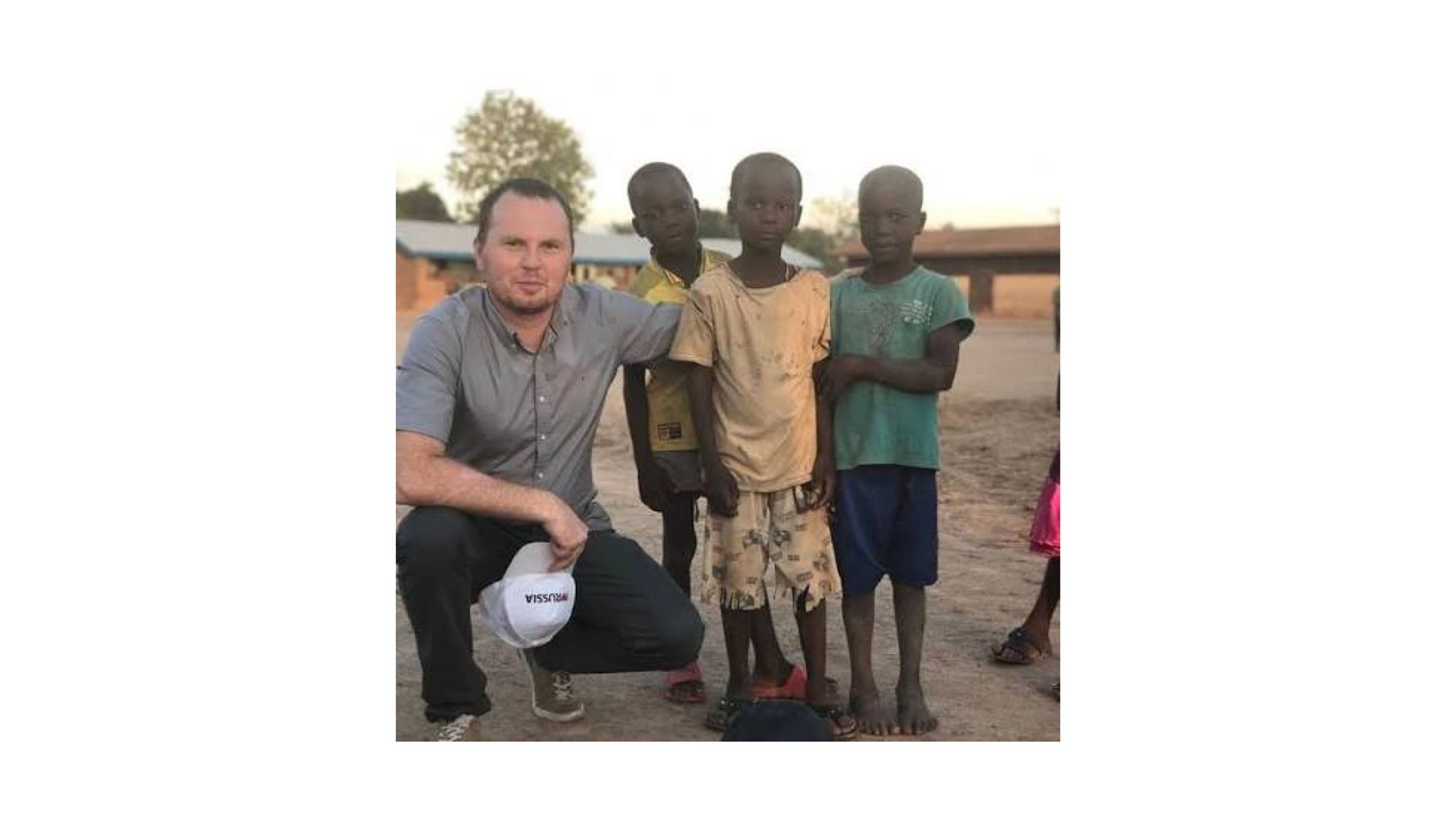
On July 20, 2026, Russian Z-blogger Viktor Vasilyev announced in his Telegram channel that Kyrgyzstan had deported him and banned him from returning for ten years. He had been in the country's justice system for fifteen months, tried on charges of recruiting Kyrgyz citizens into Russia's military. The verdict was never publicly announced.
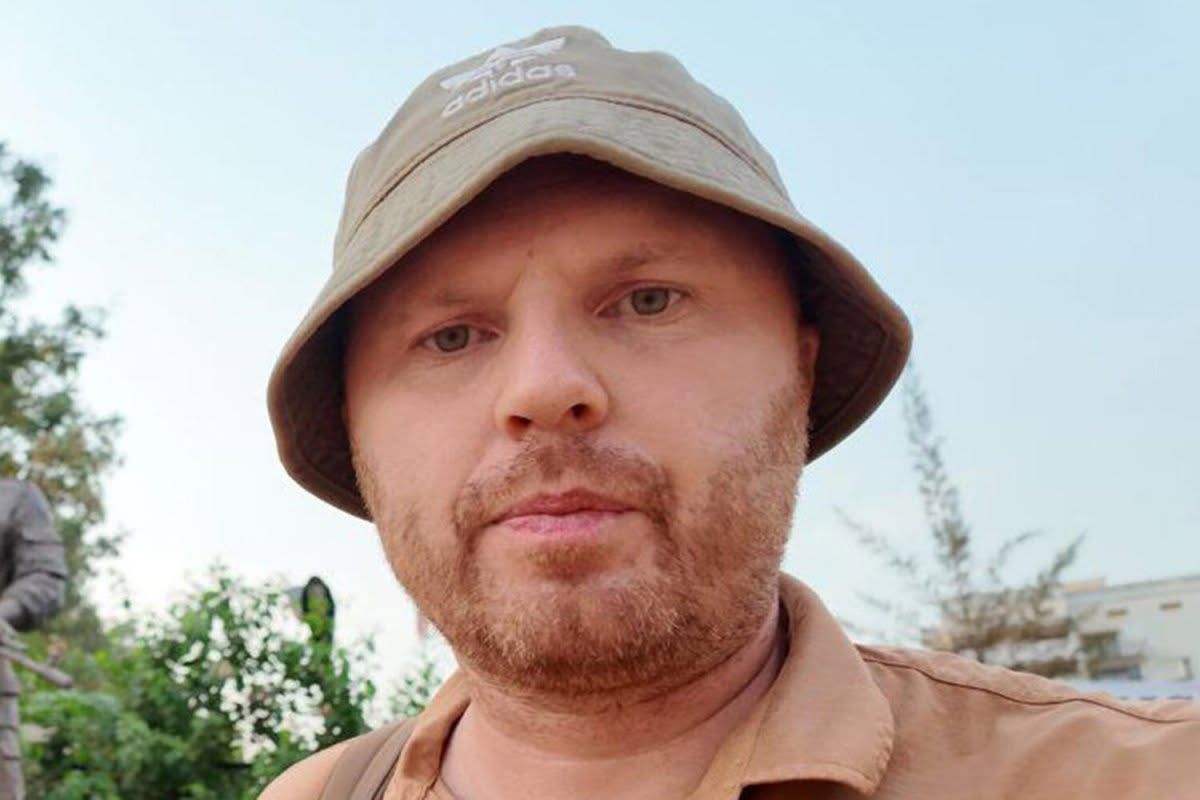
The Arrest
On April 17, 2025, Kyrgyzstan's State Committee for National Security (GKNB) detained four people in Osh on recruitment charges. Two were publicly identified: Natalia Syekhrina, an employee of the Russian House (Rossotrudnichestvo) in Osh, and Sergei Lapushkin, an employee of the Osh city hall press service. Russian media identified one of the two unnamed detainees as Vasilyev; Kyrgyz authorities did not officially confirm this.

He was released from pre-trial detention on June 12, 2026, given ten days to leave, and departed. He called the deportation a "political error" and claimed British intelligence had bribed Kyrgyz authorities to act against him.
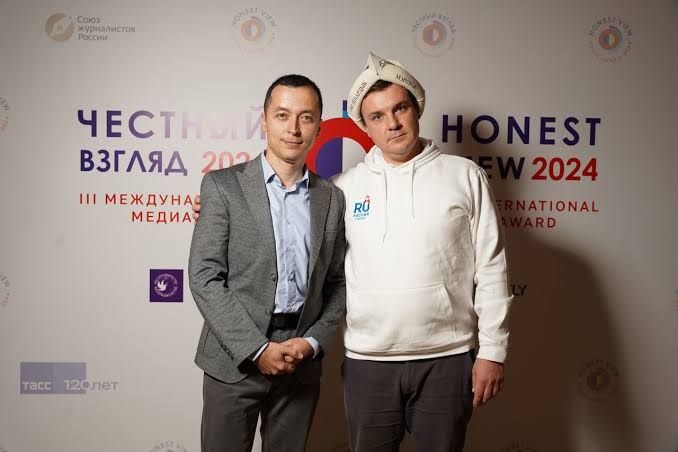
Who He Is
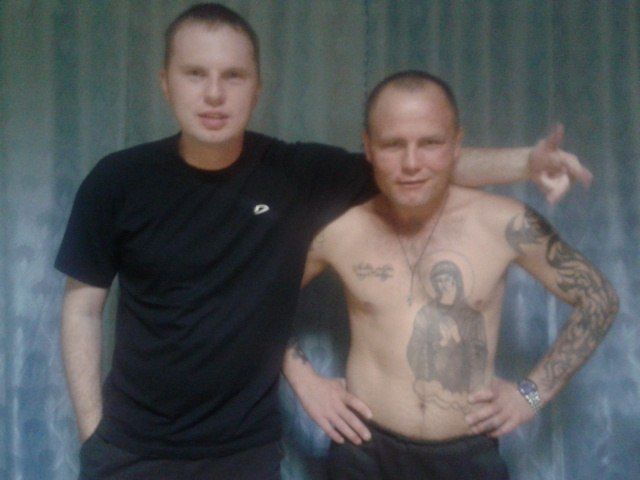
Vasilyev was not born Vasilyev. Until 2018 he used the surname Lukovenko, established by the Dossier Centre through leaked GRU documents. In 2011, as Lukovenko, he was convicted of murdering a 58-year-old citizen of Sri Lanka on the day of the "Russian March" and sentenced to eight years in a strict-regime penal colony. He was released on parole after five.
After release he appeared in Africa. From 2019, he ran the Telegram channel "Ulybaemsia i Mashem" (Smile and Wave), identified by The Insider as part of Yevgeny Prigozhin's channel network, publishing influence content with an Africa focus. He also worked as a political technologist within Prigozhin's structure and presented himself publicly as an "Africanist."
The Dossier Centre identified his GRU handler as Colonel Denis Smolyanov of the 172nd command-intelligence centre in St. Petersburg, confirmed through both leaked documents and a recorded sting call in which Smolyanov acknowledged knowing the agent and his activities. In January 2022, Vasilyev was sent to Ukraine on a GRU mission and fled to Transnistria four days before the full-scale invasion began.
He relocated to Kyrgyzstan in 2020, enrolled at the Kyrgyz-Russian Slavic University, and presented himself publicly as a political scientist.
See also: 12,919 Central Asians in Russia's Army: Why the Region Can No Longer Stay Silent
The Outcome and the Pattern
Tried, verdict undisclosed, deported. He is free. His Telegram channel continues to operate.
The Vasilyev case illustrates how Russian military intelligence embeds recruitment inside structures that look, from the outside, entirely civilian. The people arrested alongside him were not soldiers or intelligence officers by title - they were a cultural diplomacy employee and a local government press officer. The Russian House and the city hall: civilian cover for a recruitment operation.
This is not unique to Kyrgyzstan. Across Africa and Central Asia, Russian state-affiliated organisations - cultural centres, student exchanges, media partnerships - have served as infrastructure for recruitment operations that send foreign nationals to the front lines of a war they were never told they were signing up for. The recruiters operate in plain sight, inside institutions that host public events and issue press releases.
Victims of Russia's predatory recruitment practices can take a safe route out with Ukraine's "I Want to Live" project - explore this option here.
Sources: Dossier Center and Radio Free Europe/Radio Liberty