August 5, 2026
Russia Tattooed Their ID Numbers Into Their Skin Like Nazi Concentration Camp Prisoners: Stories of a Bangladeshi, a Burundian and a Yemeni
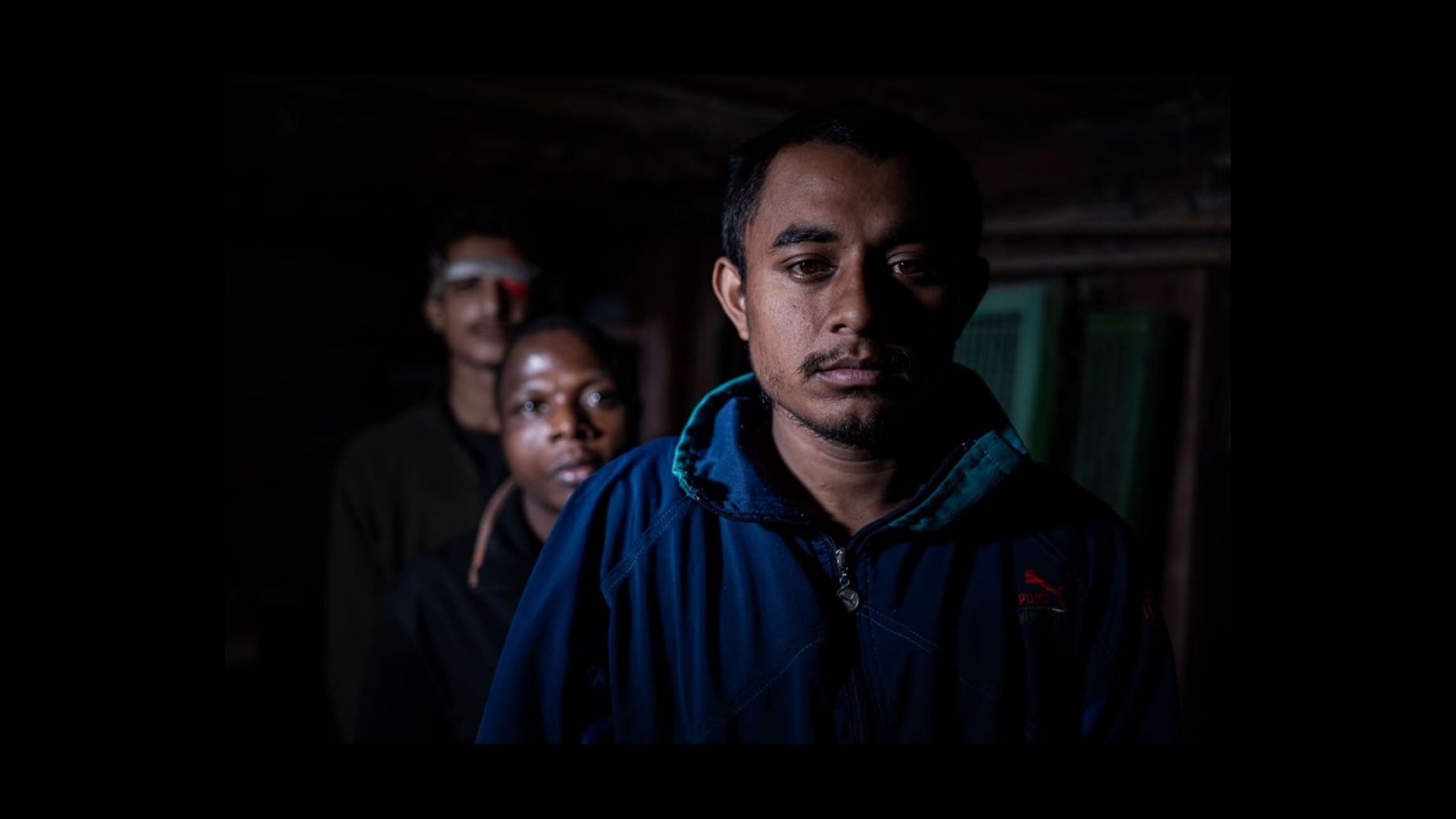
Fighters of Ukraine's Armed Forces have captured three more foreign nationals fighting for Russia: a 21-year-old from Yemen, a 24-year-old from Bangladesh, and a 20-year-old from Burundi. Each arrived through a different recruitment lie. All three were tattooed with personal identification numbers before being deployed on assault missions - a practice that resembles Nazi concentration camp markings.
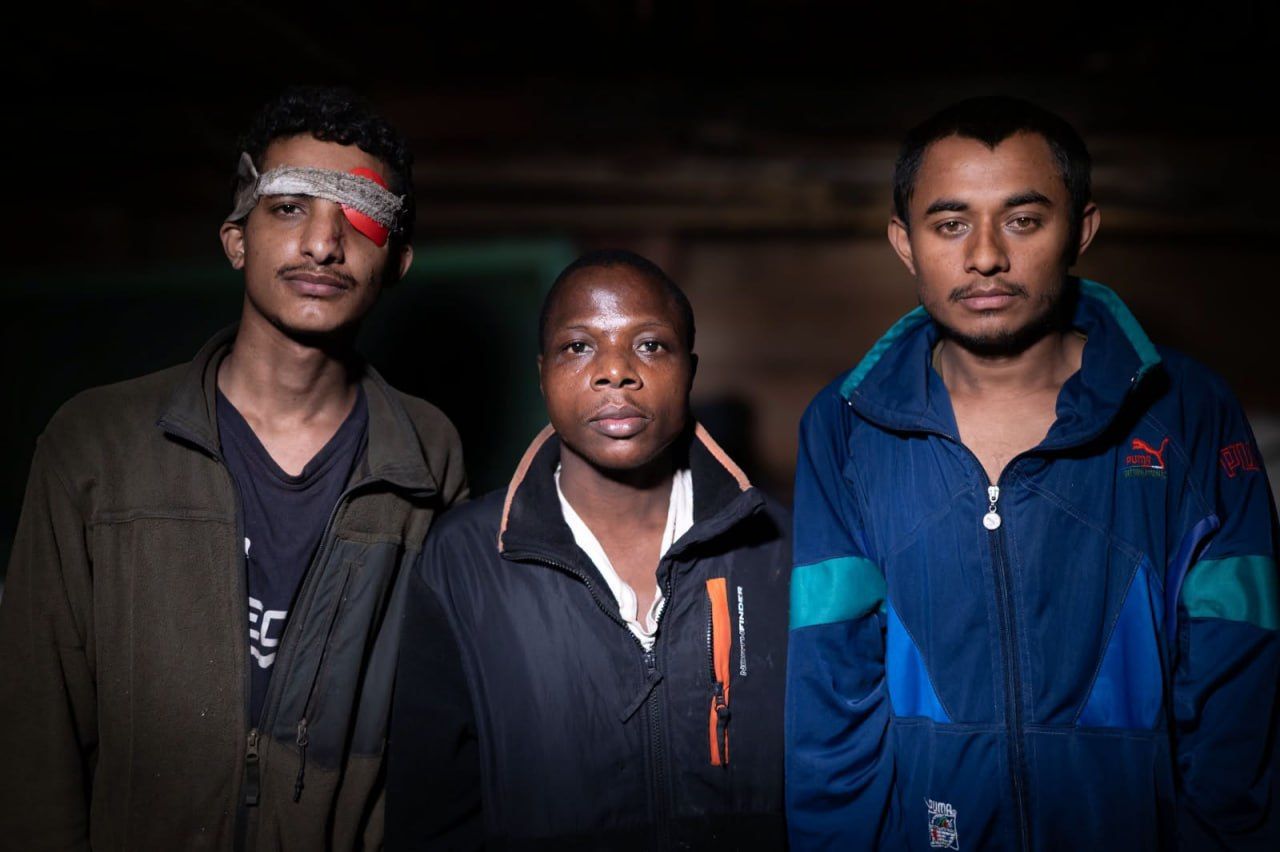
Yemen: A Father and Son Who Signed Together
Osama Al-Gharadi, 21, known by the call sign "Ronaldo," signed a contract with the Russian Armed Forces alongside his father. Recruiters promised both men large bonus payments and a high salary.
After a short training period, Osama was sent to the area near Dobropillia in eastern Ukraine. For more than a month he watched Russian soldiers die in large numbers around him.
His father was killed on the front.
Out of everything the recruiters had promised, Osama received approximately $400.
Bangladesh: The Student Who Was Sent to the Front Line Instead of Home
Tohidul Islam, 24, known as "Shugak," came to Moscow to study information technology engineering at a Russian university. When problems arose with his visa, the university told him they would help sort it out.
One evening, returning from work, he was detained. He was forced into the Russian army against his will. His phone, passport and all personal belongings were taken. He was then given documents written in Russian and made to sign them.
"I didn't understand what was written there, and no one explained the contents to me. I still don't know what was in those documents," he said.
Instead of being deported - which is what should have happened under any ordinary immigration process - he was taken to a military training ground and sent to the front within a week.
During his first combat mission he surrendered without resistance to fighters of the 82nd Brigade of Ukraine's Airborne Assault Forces. He did not receive the payments he had been promised.
"I came to Russia only for study. But because of problems with my visa, against my will I was forced to join the Russian army and sent to fight against Ukraine," he said. "I want those who see this video to help my family bring me home."
See also: Islam's interview on Youtube:
Burundi: The Road Worker Who Ended Up at War
Nduwimana Eliachim, 20, known as "Dogo," trusted someone he considered a friend. The friend told him there was ordinary work waiting in Russia - building houses, construction, honest pay.
"As soon as I crossed the border, everything changed," he said. His acquaintance handed him to a stranger he had never met. "From that moment I no longer made any decisions myself."
He was taken to the Russian army instead of a construction site. No documents. No money. No way out. "I didn't know the area, didn't know where to go, and had no one to turn to for help."
Training lasted one week. Then the front.
"That's when I first understood that I had simply been deceived into war," he said. During one battle he sat under a tree for hours trying to survive the shelling. When it quieted, he moved forward - and met a Ukrainian soldier.
"I didn't know what to expect from him, but everything happened completely differently from what I had been told. Ukrainian soldiers didn't beat or humiliate me. They treated me as a human being."
He spent several days alongside Ukrainian troops, moving between positions. He had also been wounded earlier by a drone strike. The Ukrainians treated his wounds, gave him medicine, food and water.
"I saw no cruelty or abuse. On the contrary, they treated me with humanity and respect."
"That's when I understood how terrible the lie was that led me to war. They promised me work, promised the opportunity to earn a living. In reality I was deceived into fighting in a foreign country. I want my story to be heard by everyone who might believe similar promises about work in Russia."
See also: Elashim's interview on YouTube:
The Tattoos
Before being sent on assault missions, all three men - along with the other foreign fighters in their units - were tattooed with personal ID numbers.
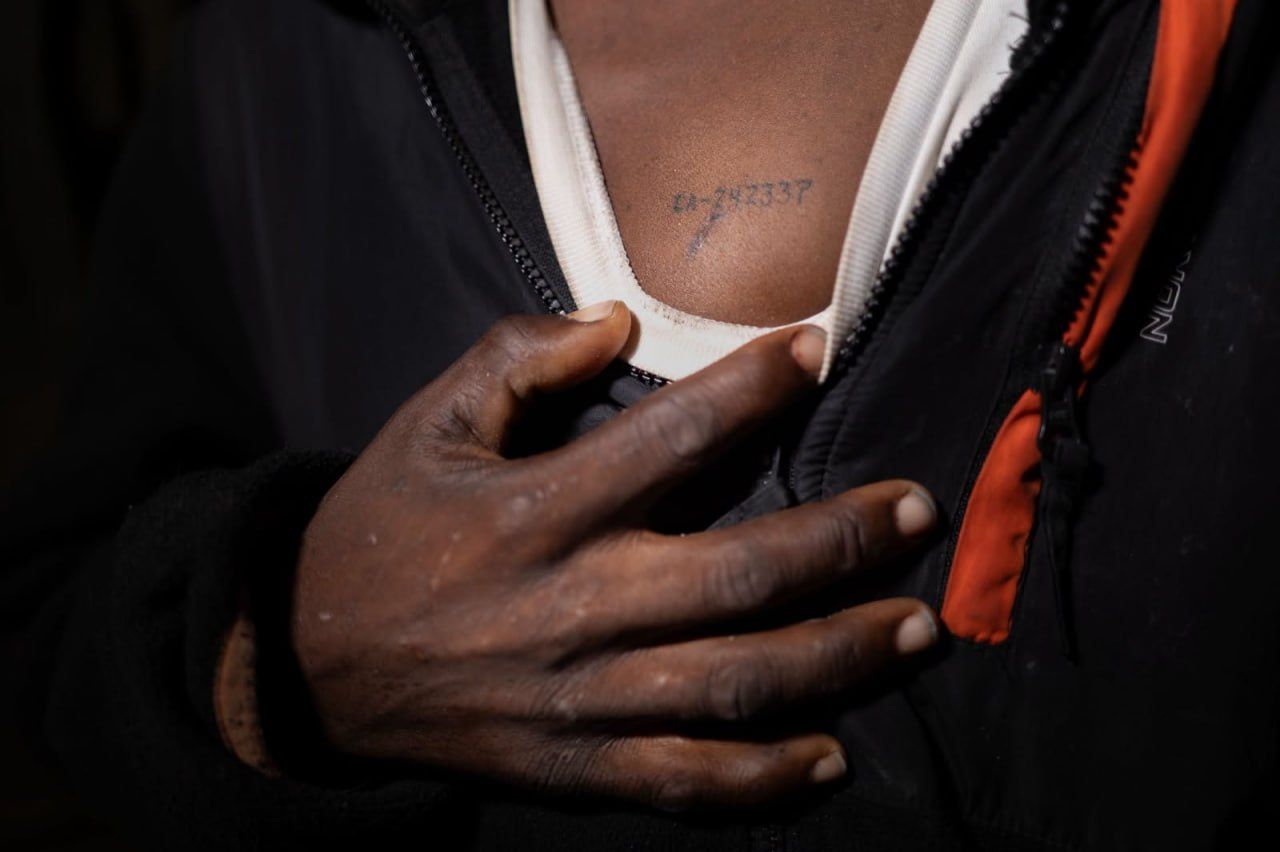
This practice as identical to what Nazi Germany did to prisoners in concentration camps. The implication is explicit: Russia does not treat these men as soldiers. It treats them as numbered units to be sent into assault operations and accounted for when they don't come back.
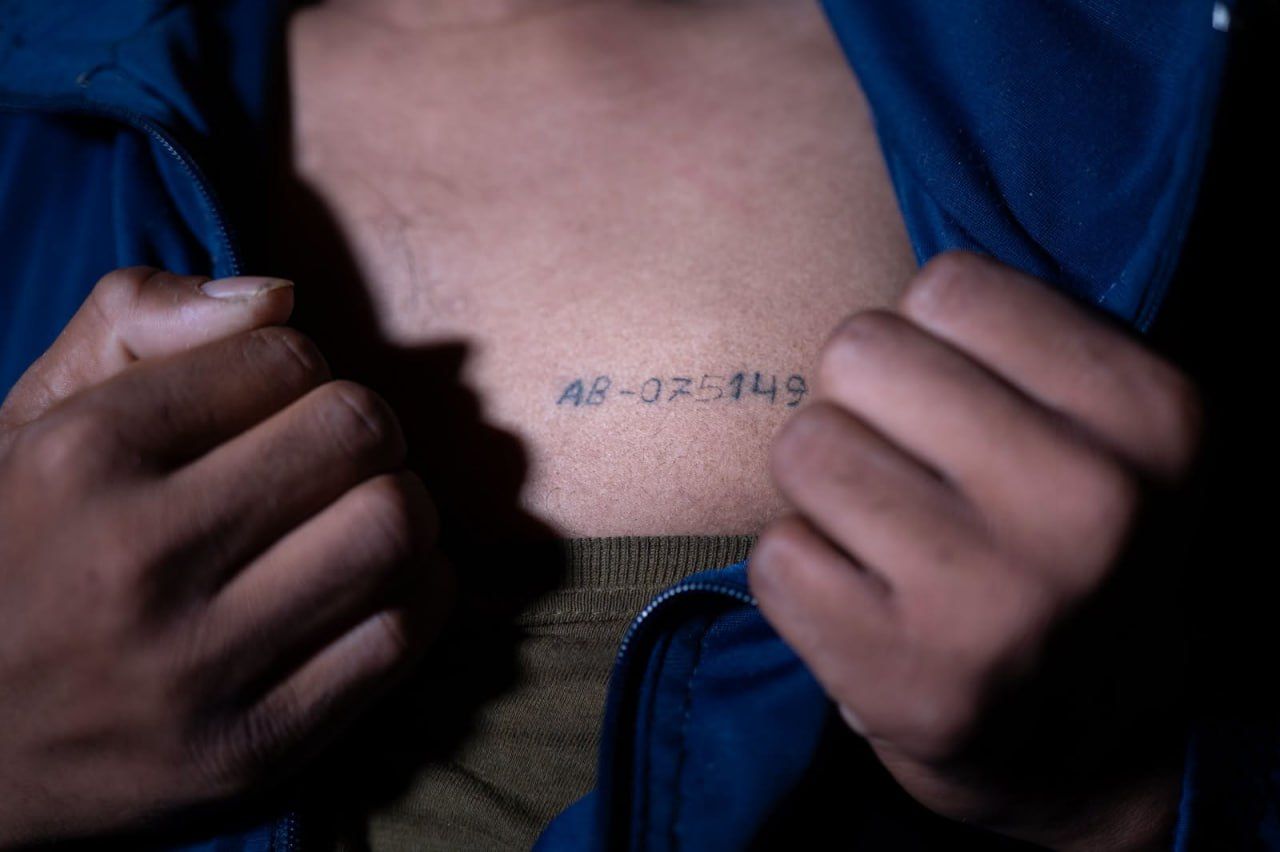
For the Russian system, these are not people - they are numbered units with a single purpose: go on assault missions. Russians treat them accordingly.
The Way Out
If you were trapped by Russian recruiters you don't have to risk your life and health for them. Reach out to the "I Want to Live" project to save yourself - here is how to do that.